The Different Types of Roofs
A well-matched roofline acts as a high-performance shield, can shrug off a New York blizzard, and slash summer cooling costs. A poor architectural choice can trap moisture, invite ice dams, and lead to a cycle of expensive, premature repairs. If you’re building a new home or looking at upgrading your roof structure, how do you choose between different types of roofs?
Curb appeal and structural longevity start with the right geometry. We’ll teach you how most common roof shapes perform in high wind, heat and snow, and which will maximize interior headspace. Keep reading to get the technical and financial clarity needed to choose a roof that survives the elements for decades.
Roof Type vs. Roof Shape vs. Roof Pitch
Before we compare options, let’s define a few key terms:
- Roof shape is the geometric form, like a gable or hip roof.
- Roof style describes the architectural tradition, such as Colonial or Craftsman.
- Roof pitch is the steepness, measured as a ratio of vertical rise to horizontal run (for example, a 6:12 pitch rises six inches for every twelve inches of horizontal span).
Pitch matters more than most people realize. Steeper pitches shed snow and rain faster but cost more to install because of increased material needs and safety challenges. Low-slope roofs offer easier access for maintenance but require specialized membranes to prevent water from pooling.
The Most Popular Roof Types
The table below offers a quick-reference snapshot. You’ll find more on each roof shape in greater detail below so you can weigh the considerations that matter most to your project.
| Roof Shape | Typical Pitch | Cost Range (per sq. ft.) | Estimated Lifespan | Best Climate Fit |
|---|---|---|---|---|
| Gable | 6:12 – 12:12 | $4 – $8 | 20 – 40 years | Rain and snow regions |
| Hip | 5:12 – 8:12 | $5 – $10 | 25 – 50 years | High-wind and hurricane zones |
| Flat / Low-Slope | 0.25:12 – 2:12 | $4 – $9 | 15 – 30 years | Arid, low-rainfall climates |
| Mansard | Dual pitch (steep + low) | $8 – $14 | 30 – 50 years | Moderate climates |
| Gambrel | Dual pitch (steep + moderate) | $6 – $12 | 20 – 35 years | Light-snow rural areas |
| Shed | 3:12 – 6:12 | $3 – $7 | 20 – 30 years | All climates (additions) |
Gable Roofs
A gable roof is the triangular, two-slope design most people picture when they think “roof.” Its steep pitch excels at shedding rain and snow, making it one of the best roof types for cold and wet climates.
Pros: Affordable to build, excellent attic ventilation, and works with nearly every roofing material.
Cons: Vulnerable to uplift in high winds if not properly braced. When evaluating the best roofing shingles for a gable frame, look for impact-rated options if your area is prone to hail or severe storms.
Hip Roofs
Hip roofs slope inward on all four sides, creating a more aerodynamic profile. This design distributes wind forces evenly, which is why building codes in hurricane-prone states often recommend hip configurations. In Florida, residents with hip roofs can even save upwards of $900 per year on insurance because of the lowered risk for damage.
Pros: Superior wind resistance and a self-bracing structure make it the best roof for hurricane prone areas.
Cons: More complex framing raises labor costs, and valleys between hip sections need careful flashing to prevent leaks.
Flat and Low-Slope Roofs
Flat roofs, which are technically low-slope roofs with a slight pitch for drainage, are common in modern and commercial architecture. They create usable rooftop space for HVAC equipment or solar panels.
Materials like TPO, EPDM, and PVC membranes are purpose-built for these surfaces. White TPO’s reflective surface can actually lower the maximum inside temperature of your home by 2 to 6 degrees, lowering your air conditioning load and making the “cool roof” a solid pick for hot, arid regions.
Pros: Lower material costs, easy maintenance access, and ideal for solar panel installation.
Cons: Prone to water ponding if drainage fails and isn’t recommended for heavy-snow regions without reinforced support.
Mansard, Gambrel, and Shed Roofs
These three shapes serve more specialized needs.
A mansard roof has a dual pitch on all four sides, with the lower slope being nearly vertical. This design maximizes livable attic space and looks great on Victorian or French-inspired homes, though the complex geometry makes it more expensive.
The gambrel roof, often called a barn roof, uses a dual pitch on just two sides. It provides extra headroom at a lower cost than a mansard roof, but its steep panels can catch wind, making it a poor choice for hurricane zones.
A shed roof is the simplest of all: a single sloping plane. It’s a budget-friendly option for home additions and modern designs. Standing-seam metal is a perfect material match, as its long panels run cleanly down the slope.
The Best Roof For Your Local Climate
No single roof style wins everywhere. Regional weather patterns and local building codes should steer your decision. If you’re looking into a new build or planning a full roof replacement and redesign, here are the best roof shapes for your region.
For Heavy Snow and Ice (Midwest, Northeast)
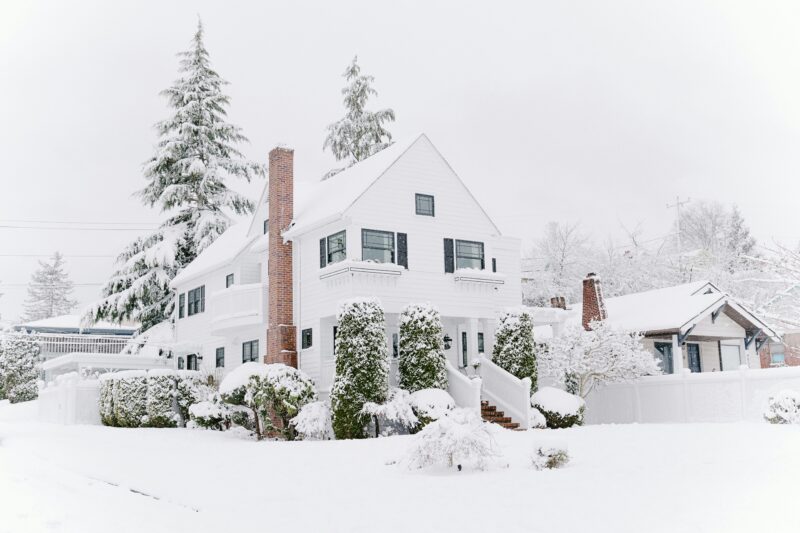
Steep gable or hip roofs with a pitch of 8:12 or higher let snow slide before dangerous loads accumulate. Architectural shingles and metal panels both handle freeze-thaw cycles well.
Local material recommendations can differ. For example, when you account for the brutal freeze-thaw cycles of the Great Lakes, the best roofing for Michigan may require specialized underlayment that might be overkill in Maine.
For Hurricane and High-Wind Zones (Southeast, Gulf)
Hip roofs outperform gable designs in sustained winds because the four-slope structure reduces uplift pressure. Metal roofing with concealed fasteners provides an extra layer of security. When weighing metal roofing vs. asphalt shingle roofing, wind resistance often tips the scales toward metal in these regions.
For Hot, Dry Climates (Southwest)
Flat and low-slope roofs with reflective membranes reduce cooling demand. Clay tile on moderate-pitch hip roofs also performs well, offering natural thermal insulation and lifespans that can exceed 50 years.
How Much Does a New Roof Cost?
The cost of a roof replacement can be complex and depend on multiple factors:
- The types of roofing materials
- Roof shape complexity and pitch steepness
- Total square footage
- Local labor rates
- Permits (if applicable in your municipality)
A simple gable tear-off and reshingle on a ranch home might cost $8,000 to $12,000, while a complex mansard re-roof with slate can exceed $30,000.
Material pricing also fluctuates. Always request itemized quotes so you can see what you’re paying for. Materials, labor, and permits should all have separate line items.
Pick the Right Roof for Your Home
Choosing among the different types of roofs comes down to balancing your budget, durability needs, and aesthetic goals. Start by assessing your regional climate and local building codes, then narrow your options by home style and long-term cost of ownership.
For example, a gambrel may look great on a farmhouse, but its wind vulnerability is a dealbreaker on an exposed coastal lot in the southeast.
Home Genius Exteriors, an Owens Corning Platinum Preferred Contractor, helps homeowners make these decisions with free inspections and detailed estimates. Our team evaluates your existing roof structure, local weather demands, and material compatibility so you get a recommendation tailored to your home. Contact us today and make your dream roof a reality.
Frequently Asked Questions
Can I Change my Existing Roof’s Shape?
Yes. Homeowners may undertake a “re-framing” to convert to a different type of roof; for example, change a flat roof to a gabled one to solve drainage issues, or add dormers to a gable roof to create more living space. While a more complex roof can improve curb appeal and runoff efficiency, you’ll likely need a structural engineer and new trusses. This can increase the cost of a standard roof replacement by $10,000 to $30,000+, depending on the complexity of the new design.
How Do I Know if My Roof Structure Can Handle a Different Material?
A roofing contractor can verify your framing capacity and deck condition before you upgrade to heavier materials. This assessment helps prevent issues like sagging or premature failure after installation.
What Roofing Upgrades Best Improve Ventilation?
Balanced ventilation, like soffit vents paired with ridge vents, reduces attic heat and moisture that can lead to mold. Air sealing and proper insulation often amplify the benefits by preventing humid indoor air from reaching the roof deck.
How Should I Plan a Roof Replacement to Avoid Weather Delays?
Schedule during historically stable weather windows in your region and confirm the contractor has a plan for same-day dry-in if unexpected rain hits. Ordering materials early and confirming permit lead times can also prevent your project from stalling.
What Maintenance Tasks Help Extend Roof Life?
Keep gutters clear, remove debris from the roof, and check seals around vents and chimneys. A professional inspection every 1 to 2 years, and after major storms, can catch small issues before they turn into leaks (or worse).
How Do Material and Workmanship Warranties Differ?
Material warranties typically cover manufacturing defects, while workmanship warranties cover installation quality. Ask what is required to keep coverage valid, including ventilation standards, registered installation, and transferability if you sell your home.