The Best Time To Replace Your Roof
Most homeowners only think about their roof when it’s already too late. Figuring out the best time to replace your roof can save you thousands of dollars and weeks of delays.
The season you choose affects everything from material performance and labor costs to contractor availability.
This guide breaks down each season’s pros and cons and explains the cost factors tied to timing, helping you make the right call for your home.
The Best Season To Schedule Your Roof Replacement
Roofing materials and their adhesives perform differently depending on temperature and humidity. The window between late spring and early fall generally offers the best conditions, but the ideal month depends on your climate and roofing material.
Why Fall Is the Best Time to Replace a Roof
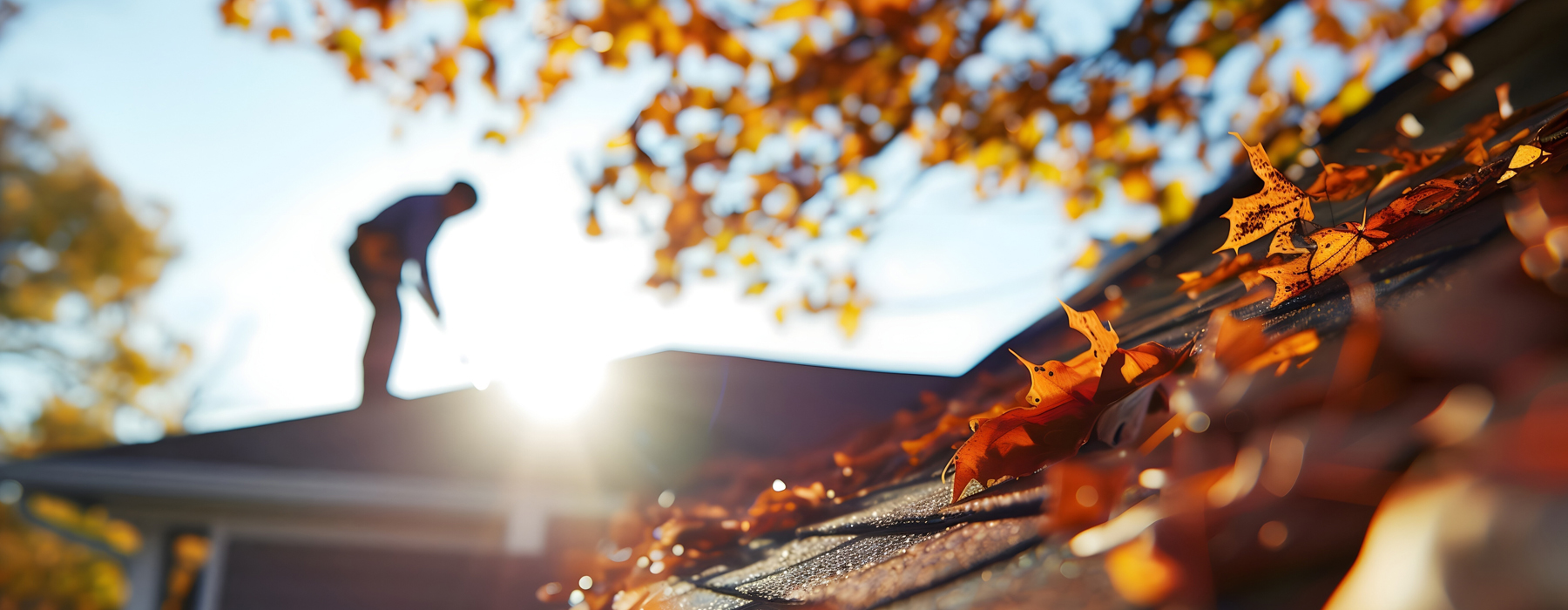
Fall, specifically September through November, is the top choice for most roofing professionals. Temperatures in the 45°F to 75°F range allow asphalt shingle adhesive to activate properly without becoming too soft or brittle. Crews work the most efficiently in comfortable weather, and the moderate humidity helps underlayment and flashing seal correctly.
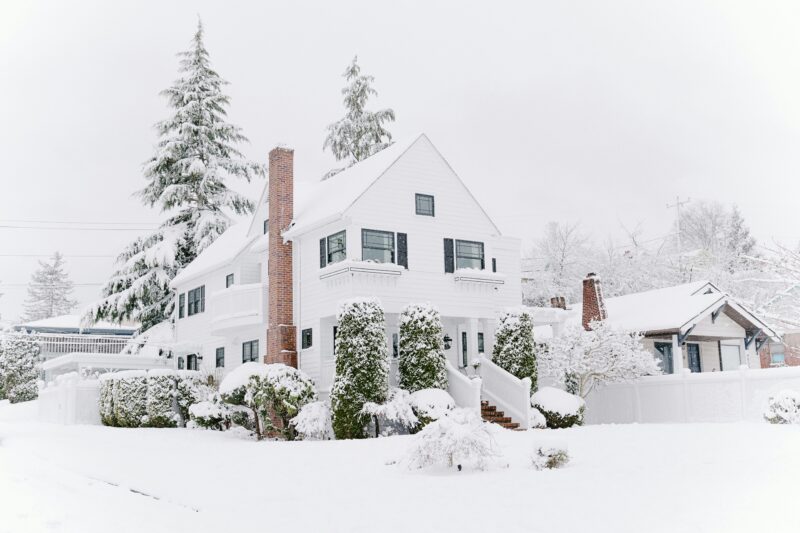
Replacing your roof before winter also protects your home from ice dams and heavy snow loads that can further damage worn roofing if you live in a northern state.
The Next Best Time: Spring and Early Summer
Late March through early June works well for homeowners who missed the fall window. Rising temperatures give shingles time to settle and seal before summer heat arrives, and many contractors have better availability during this shoulder season.
The main risk with spring is unpredictable weather. Rain delays can stretch a three-day project into two weeks. Early summer, especially June, offers the best of both worlds with longer daylight hours and warmer temperatures for proper adhesive curing.
Winter and Mid-Summer: Proceed with Caution
Winter installations are challenging. Cold temperatures make asphalt shingles brittle and prone to cracking, while snow and ice create dangerous working conditions. However, winter replacements are still possible in emergencies when handled by experienced contractors using cold-weather techniques.
Mid-summer brings its own set of problems. Extreme heat can soften shingles during installation, increasing the risk of scuffing and damage. Crews also need more frequent breaks, which extends project timelines. For example, looking at how long it takes to replace a roof in Ohio reveals that summer projects often run 20% to 30% longer than fall installations.
How Do You Know When It’s Time to Replace Your Roof?
The season is important, but it’s not the only factor. Your roof’s current condition and your contractor’s schedule also influence when you should plan for a replacement.

Roof Condition and Urgency
Not every roof can wait for the perfect season. Here’s an easy way to help you decide whether to act now or plan ahead:
- Replace immediately: Active leaks, sagging roof decking, or visible structural damage. Waiting increases the risk of mold and exponentially higher repair costs.
- Replace within 3 to 6 months: Multiple missing or curling shingles, or flashing failure around chimneys. You have time to choose a favorable season.
- Plan for 6 to 12 months: An aging roof is approaching the end of its warranty period with minor wear. You can schedule during optimal weather and lock in a contractor early.
If you’re unsure, look into whether you need a partial roof repair vs. replacement to avoid overspending or underprotecting your home.
Contractor Availability and Lead Times
With fall being the most popular time to replace your roof, ideal conditions come with higher demand and longer wait times. Booking four to six weeks ahead during peak season is standard, but booking eight to twelve weeks ahead is safer.
In most states, contractors typically have more openings in their schedules in late winter and early spring. Homeowners who schedule during these months often get earlier start dates and may even get more competitive pricing.
Permits and Regulations
Most municipalities require permits for full roof replacements, and processing times vary. Some jurisdictions approve permits in days, while others take weeks. States like Virginia and Michigan each have specific requirements that can affect your timeline. Factor permit lead times into your planning to avoid losing your preferred installation window.
How Timing Affects Roof Replacement Cost
The season you choose can determine whether you pay a premium or get a deal on your roof replacement, as labor rates and material pricing fluctuate throughout the year.
Seasonal Pricing and Demand Cycles
The average cost of a roof replacement is $9500. That number shifts based on when you schedule the work. Peak demand in September and October can push labor costs 10% to 15% higher than off-peak months, and even more after a major storm.
Material costs also change. Manufacturers sometimes raise prices in spring to coincide with the construction season. You may be able to offset these increases by purchasing materials in late winter or locking in a price with your contractor early.
Timing Your Roof Replacement With Insurance
If you’ve filed a storm damage claim, timing your replacement to align with your insurance company’s schedule prevents coverage gaps. Replacing your roof before your policy renewal may also qualify you for premium reductions.
To save on total costs and minimize future disruption, you can also bundle your roof replacement with other projects like siding replacement or gutter replacement.
Why You Should Never Try To Replace Your Own Roof
Most homeowners would never attempt a DIY roof replacement, but we’ll say it anyway: always hire a professional for safety and durability reasons.
You may be tempted to make small fixes like replacing a few shingles, but a full roof replacement is a complex job involving structural assessment, underlayment, and flashing. Mistakes can void manufacturer warranties and create leaks that may not appear for months.
Licensed contractors carry liability insurance and guarantee their workmanship. Certified installers, like Owens Corning Platinum Preferred Contractors, offer extended warranties that cover both materials and labor.
Safety alone is the deciding factor for most homeowners. Falls from roofs account for a large percentage of residential construction injuries. Professional crews have safety equipment and experience to make the job dramatically safer.
Plan Your Roof Replacement with Confidence
The best time to replace a roof is between September and November, when milder temperatures and reliable weather align. Spring and early summer are strong alternatives, while winter and mid-summer are better only in urgent situations.
Start by assessing your roof’s condition, then work backward from your ideal installation date to account for permits and contractor scheduling.
Home Genius Exteriors helps homeowners navigate every step of the replacement process. As Owens Corning Platinum Preferred Contractors, we deliver warranty-backed craftsmanship designed to protect your home for decades. Call today for a free inspection and estimate to lock in your preferred installation window before the peak season fills up.
Frequently Asked Questions
How far in advance should I start planning a roof replacement?
Start planning 3 to 6 months ahead for the best selection of contractors and materials. This timeline gives you room for inspections, estimates, and permitting.
What are early signs to get a roof inspection, even if I don’t see a leak?
Schedule an inspection if you notice moss or algae growth, stained ceilings, or shingle edges that look uneven from the ground. Higher energy bills can also indicate ventilation or moisture issues.
How do I choose between asphalt shingles, metal, and other roofing materials for my climate?
Match materials to your local climate, then weigh lifespan and maintenance needs. A qualified roofer can recommend the best roofing materials based on your roof slope and attic ventilation.
Will a roof replacement disrupt my daily routine, and how can I prepare?
Expect noise and limited driveway access. To prepare, move vehicles, protect items in the attic from dust, and secure wall hangings. You might also want to temporarily relocate your pets during the loudest hours.
What questions should I ask a roofing contractor before signing a contract?
Ask who supervises the job and how they handle cleanup (for example, Home Genius uses a magnetic sweeper to find and remove any stray nails). Also confirm written warranty terms, proof of insurance, and how the contractor prices unexpected repairs.
How can I avoid ventilation problems after replacing my roof?
Request a ventilation assessment that considers both intake (soffit) and exhaust (ridge) vents. Proper airflow helps control moisture and heat buildup, which can improve comfort and prevent premature shingle aging.
What should I do if bad weather hits during my roof replacement project?
Make sure your contractor has a plan for same-day protection, including underlayment and tarps to secure exposed areas. Communicate quickly if you notice any interior moisture so they can address it immediately.