The Best Roofing Materials (Ultimate Guide)
How do you choose the best roofing materials? Each option seems to promise the best durability and curb appeal. From budget-friendly asphalt shingles to energy-efficient metal roofing, the right choice can significantly impact your home’s resale value, with some roofing replacements yielding a 68% return on investment.
Every material carries a specific trade-off between upfront investment and total lifespan. While budget-friendly options offer a lower entry point, premium materials often reduce your long-term maintenance costs and improve energy efficiency.
This guide breaks down types of roofing materials with pictures, detailed descriptions, and cost comparisons so you can confidently narrow down your options. Whether you’re replacing an aging roof or building from scratch, you’ll walk away with a clear understanding of which material fits your climate, budget, and style.
How to choose the best roofing material for your home
Before looking at individual materials, it helps to understand the factors that should drive your decision. No single roofing material is universally “best.” The right choice depends on where you live, how long you plan to stay in your home, and what you value most.
Climate and weather considerations
Your local climate narrows the field more than any other factor. Homes in hail-prone regions benefit from impact-resistant materials like Class 4-rated asphalt shingles or metal panels. Coastal properties face salt spray and high winds, making aluminum or concrete tile strong contenders. If you live near the ocean, the best roofing for coastal homes can save you from costly premature replacements.
In snow-heavy climates, steep-slope metal roofing sheds ice and snow efficiently, while clay tile is best in hot, sunny areas by reflecting solar heat. Always check your local building codes before committing to a material, as some regions restrict wood shake or require Class A fire-rated products.
Budget Versus Lifecycle Cost
Upfront price often dominates the conversation, but lifecycle cost tells a more accurate story. A material that costs twice as much but lasts three times longer may be the most affordable option over 30 to 50 years. Factor in maintenance frequency, energy savings, and warranty coverage when comparing true costs.
The average roof replacement costs around $9,500 but can range from $5,800 to $46,000 depending on material and home size. That wide range shows why material selection is one of the most important financial decisions you’ll make as a homeowner.
Types of roof materials
The following sections cover the most widely used residential roofing materials and how much these roofing materials cost. Each includes a description, typical budget range, expected lifespan, pictures, and the scenarios where it performs best. Use this as your primary reference when building a shortlist.
Asphalt Shingles
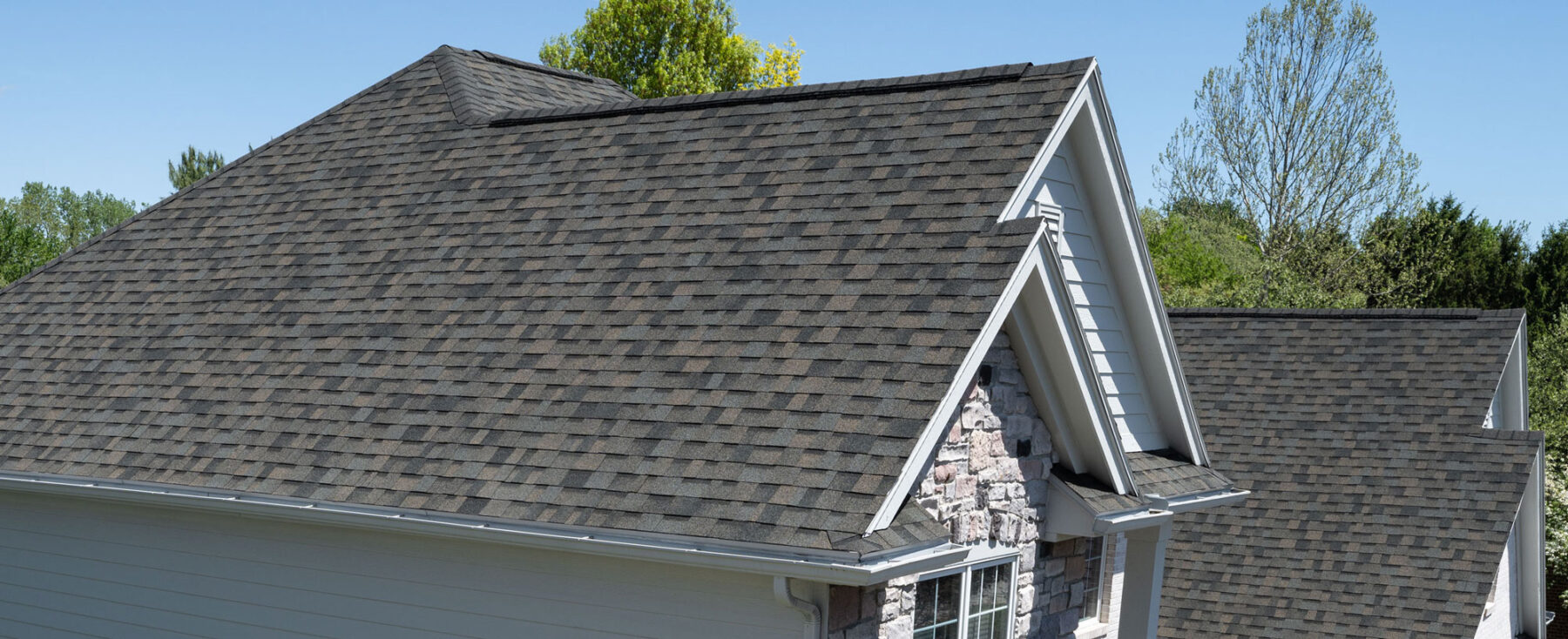
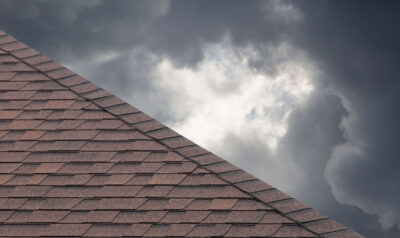
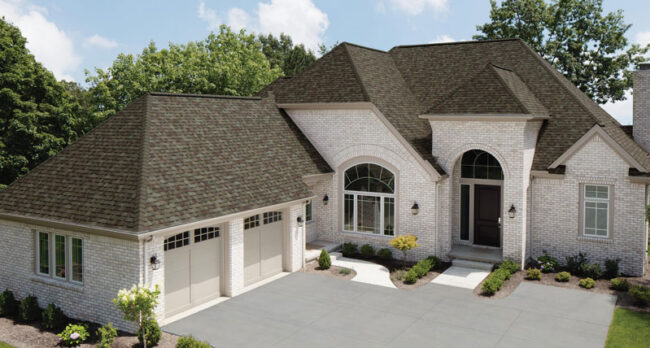
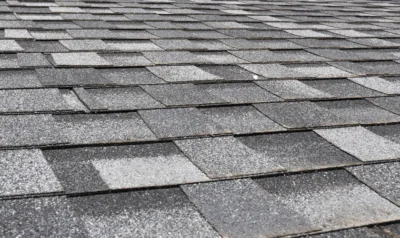
Asphalt shingles dominate the North American market, covering roughly 80% of residential roofs. They come in two main varieties: three-tab shingles, which offer a flat look at a lower price, and architectural shingles, which feature a layered construction that mimics the depth of wood shake or slate.
Cost per square foot: $3.50–5.50 (three-tab), $5–7 (architectural)
Cost range for a typical 2,000 square foot roof: $7,000–11,000 (three-tab), $10,000–14,000 (architectural)
Lifespan: 15 to 30 years, depending on shingle grade and climate. Architectural shingles typically outlast three-tab by 5 to 10 years.
Best for: Homeowners seeking a proven, affordable, and widely available material with a broad range of color and style options.
Metal Roofing
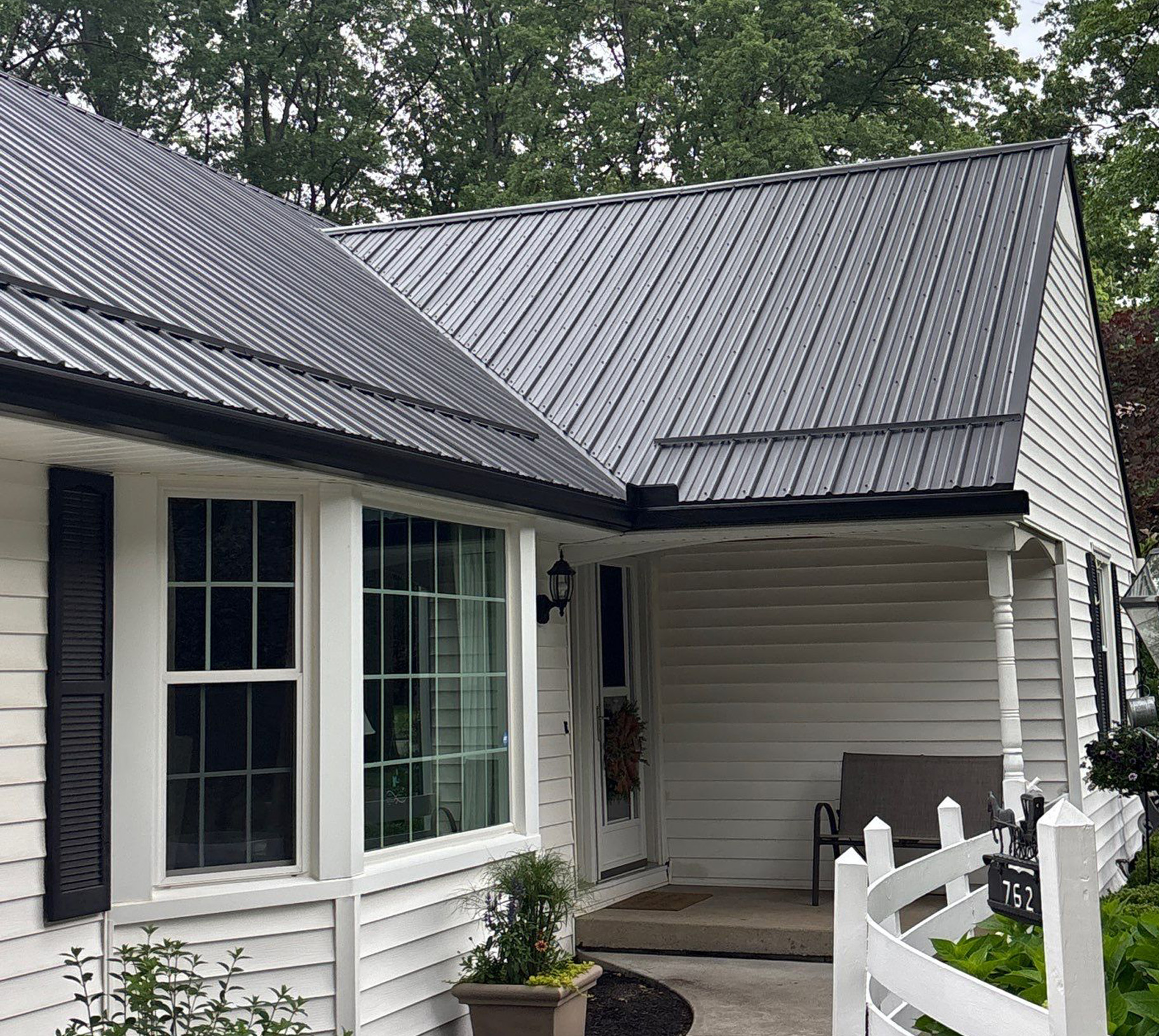
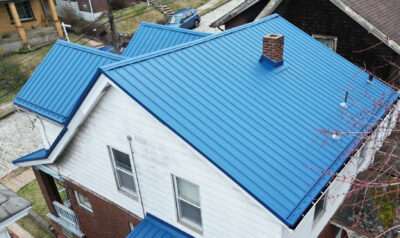
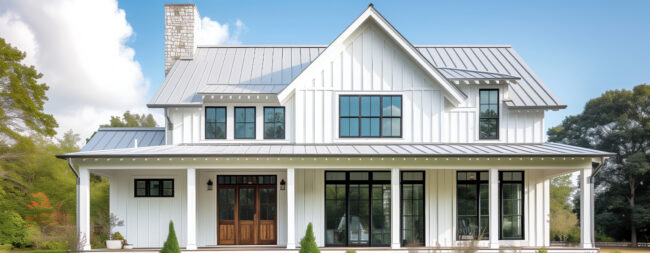
Metal roofing has surged in popularity over the past decade. Standing-seam panels deliver a clean, contemporary aesthetic, while metal shingles and shakes replicate the look of traditional materials with far greater longevity. The cost of metal roofing varies by type (common options include steel, aluminum, copper, and zinc). Some people are curious how it stacks up against the most popular type of roofing material (metal roofing vs asphalt shingle roofing): metal is more durable and requires less maintenance.
Cost per square foot: $8–16 (standing-seam; lower for steel, higher for premium metal like copper)
Cost range for a typical 2,000 square foot roof: $16,000–32,000
Lifespan: 40 to 70+ years for steel and aluminum; copper and zinc can exceed 100 years.
Best for: Homeowners who want exceptional longevity, energy efficiency, and minimal maintenance. Metal also excels in high wind and heavy snow regions.
Clay and Concrete Tile
Clay tiles have protected roofs in warm climates for centuries and remain prized for their warm, earthy tones and distinctive profiles. Concrete tile offers a similar aesthetic at a lower price point and with more color variety. Both materials deliver outstanding fire resistance and withstand UV degradation far better than other products.
Something to keep in mind with these materials is weight. Tile roofs often weigh 600 to 1,100 pounds per square (100 sq ft), requiring a high structural load capacity. Homes not originally built for tile may need reinforcement, which would add to your project cost.
Cost per square foot: $10–18 (concrete), $15–30 (clay)
Cost range for a typical 2,000 square foot roof: $20,000–36,000 (concrete), $30,000–60,000 (clay)
Lifespan: 50 to 100+ years.
Best for: Homes in hot, dry climates. Tile resists fire, insects, and rot, making it a low-maintenance, long-term investment. It’s not ideal for regions with frequent freeze-thaw cycles, which can crack tiles over time.
Natural Slate
Natural slate is widely considered the pinnacle of roofing materials. Quarried from metamorphic rock, each tile is unique in color and texture, ranging from deep charcoal to green and purple. Slate provides an unmatched elegance that no synthetic alternative can fully replicate. That premium carries a premium price. Weight is also a critical factor, as slate can weigh 800 to 1,500 pounds per square and often requires engineered structural support.
Cost per square foot: $20–45
Cost range for a typical 2,000 square foot roof: $40,000–90,000
Lifespan: 75 to 200 years when sourced from quality quarries and properly installed.
Best for: Historic restorations, high-end custom homes, and homeowners who view their roof as a once-in-a-lifetime investment. Not recommended for budget projects.
Wood Shake and Shingle
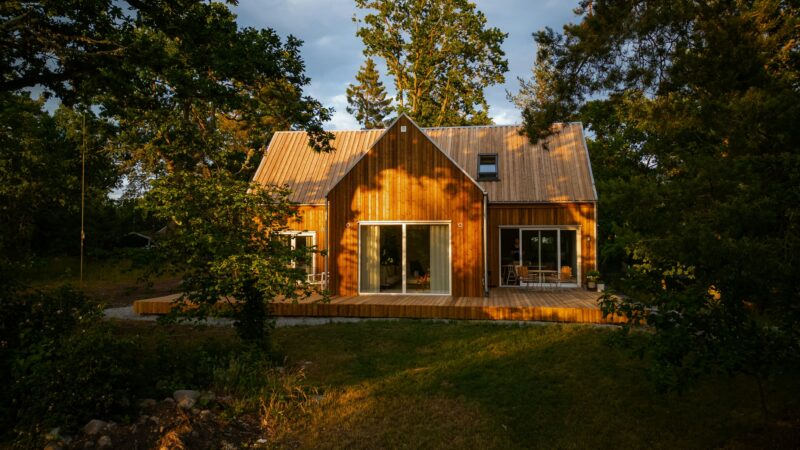
Cedar shake and shingle roofs deliver a warmth and rustic character unmatched by manufactured products. Shakes are hand-split for a thicker, more textured profile, while shingles are machine-sawn for a smoother appearance. Western red cedar is the most common species, valued for its natural resistance to moisture and insects.
The primary drawback is maintenance, as wood roofs require periodic cleaning and prompt replacement of split pieces. Many fire-prone areas restrict or ban untreated wood roofing, though pressure-treated Class A fire-rated options exist at an added cost.
Cost per square foot: $8–16
Cost range for a typical 2,000 square foot roof: $16,000–32,000
Lifespan: 20 to 40 years with diligent maintenance; less in humid climates.
Best for: Cottage, Craftsman, and Cape Cod architectural styles where natural aesthetics are a top priority and the homeowner is willing to invest in ongoing upkeep.
Synthetic and Composite Roofing
Synthetic roofing products blend recycled polymers and rubber to replicate the look of natural slate or wood shake at a fraction of the weight and cost. Leading brands engineer their products to achieve Class 4 impact resistance and Class A fire ratings, addressing two of the biggest vulnerabilities of their natural counterparts.
Because many composite products have only been on the market for 15 to 20 years, real-world lifespan data is still accumulating. Comparing composite shingles vs metal roofing, for example, can give you some idea of how engineered options currently perform against traditional materials.
Cost per square foot: $9–18
Cost range for a typical 2,000 square foot roof: $18,000–36,000
Lifespan: Manufacturers warranties suggest 30 to 50 years; long-term field data is still emerging.
Best for: Homeowners who love the look of slate or shake but need a lighter, more affordable, and lower-maintenance alternative.
Rolled Roofing
Rolled roofing, also called roll roofing or tar paper roofing, is a budget-friendly flat-roof covering made from asphalt-saturated felt or fiberglass mat topped with mineral granules. It comes in large rolls and are adhered to the roof deck using hot tar, asphalt cement, or self-adhesive strips. Rolled roofing is commonly used on sheds, garages, and low-slope residential roofs where budget is a primary concern.
Cost per square foot: $1.50–$2.50
Cost range for a typical 2,000 square foot roof: $3,000–$5,000
Lifespan: 5 to 10 years, depending on climate and maintenance. UV exposure and weather cycles significantly shorten lifespan compared to other materials.
Best for: Budget-conscious homeowners with low-slope or flat roofs who prioritize affordability over longevity. Ideal for temporary or short-term roofing solutions on outbuildings.
Built-Up Roofing (BUR)
Built-up roofing, often called BUR or tar and gravel roofing, is a multi-layered flat-roof system consisting of alternating layers of bitumen (asphalt or coal tar) and reinforcing fabrics topped with gravel or mineral coating. The multiple layers create a durable, waterproof membrane that has been used for decades on commercial and residential flat roofs. BUR is known for its durability and excellent weather resistance, though it requires professional installation.
Cost per square foot: $3.00–$6.00
Cost range for a typical 2,000 square foot roof: $6,000–$12,000
Lifespan: 20 to 30 years with proper maintenance. Regular inspections and tar recoating can extend lifespan significantly.
Best for: Property owners with flat roofs seeking a proven, long-lasting system. BUR works well in commercial applications and on homes in regions with extreme weather. Best suited for those willing to invest in professional installation and ongoing maintenance.
Membrane Roofing (EPDM, TPO, PVC)
Membrane roofing refers to single-ply or multi-ply synthetic sheet materials that are rolled out and sealed to create a waterproof barrier on flat or low-slope roofs. Common types include EPDM (ethylene propylene diene monomer), TPO (thermoplastic polyolefin), and PVC (polyvinyl chloride). Each material offers different benefits: EPDM is affordable and durable, TPO provides energy efficiency, and PVC offers superior chemical resistance. Membrane roofing has become increasingly popular as an alternative to traditional built-up roofing.
Cost per square foot: $4.00–$8.00 (varies by membrane type)
Cost range for a typical 2,000 square foot roof: $8,000–$16,000
Lifespan: 20 to 30 years for EPDM and TPO; 30 to 40 years for PVC. Lifespan depends on UV exposure, installation quality, and maintenance.
Best for: Homeowners and commercial property owners seeking a modern, low-maintenance flat-roof solution. TPO is ideal for those prioritizing energy efficiency, while PVC works best in areas with chemical exposure or extreme weather. EPDM offers the best value for budget-conscious buyers.
Rubber Tile Roofing
Rubber tile roofing uses individual interlocking rubber tiles or shingles made from recycled rubber and plastic materials. These tiles are laid in overlapping patterns similar to traditional shingles and can be used on both flat and pitched roofs. Rubber tile roofing is an eco-friendly option that provides good durability, impact resistance, and noise reduction. The tiles are typically installed over a solid substrate or existing roof deck.
Cost per square foot: $5.00–$10.00
Cost range for a typical 2,000 square foot roof: $10,000–$20,000
Lifespan: 40 to 50 years. Rubber tiles are highly resistant to UV degradation and weather damage, making them one of the longest-lasting roofing options available.
Best for: Environmentally conscious homeowners seeking a durable, sustainable roofing solution. Ideal for properties in noisy areas since rubber provides excellent sound dampening. Works well on both pitched and flat roofs and is particularly popular in regions with hail or severe weather due to its impact resistance.
Compare Roofing Materials By Cost and Lifespan
The table below lets you compare different types of roof material prices, lifespan, fire rating and weight side by side:
*Estimates based on a 2,000-square-foot roof area. Actual costs vary by region, roof complexity, tear-off requirements, and labor availability.
Use the numbers above as a starting point, then request a quote from your favorite local roofing company to fine-tune your budget.
Roofing Materials By Key Feature
The Most Affordable Roofing Materials
When budget is your primary concern, asphalt shingles and rolled roofing are the most affordable roof replacement materials. Three-tab asphalt shingles cost between $3.50–$5.50 per square foot, making them the most economical choice for homeowners with tight budgets. Rolled roofing is even cheaper at $1.50–$2.50 per square foot, though it’s typically reserved for low-slope roofs on sheds and garages.
If you want slightly better durability without breaking the bank, architectural asphalt shingles ($5.00–$7.00 per sq ft) offer a nicer appearance and longer lifespan while staying affordable. These materials allow you to replace your roof without depleting your savings, and many come with manufacturer warranties that provide peace of mind despite their lower upfront cost.
The Most Durable Roofing Materials
Natural slate is one of the most durable roofing materials, lasting 75–200 years with minimal maintenance. It’s a lifetime investment that may outlast the house itself. Clay tile and concrete tile follow closely, with lifespans of 75–100+ years, making them excellent choices for homeowners seeking multi-generational durability.
Metal roofing (40–70 years) and rubber tile roofing (40–50 years) offer modern alternatives that provide exceptional durability without the weight concerns of traditional tiles. Even built-up roofing (20–30 years) and membrane roofing (20–40 years) significantly outlast standard asphalt shingles when properly maintained.
While these materials carry higher upfront costs, their extended lifespans mean you’ll likely never need to replace your roof again, making them excellent long-term investments.
The Most Energy-Efficient Roofing Materials
Energy efficiency has become increasingly important for homeowners looking to reduce utility bills and environmental impact. Metal roofing reflects solar heat effectively, reducing cooling costs by up to 25% in hot climates, while its light color options maximize reflectivity. Rubber tile roofing provides excellent insulation properties and reduces heat transfer, keeping homes cooler in summer and warmer in winter.
TPO (thermoplastic polyolefin) membrane roofing is specifically engineered for energy efficiency with high solar reflectance ratings, making it popular on commercial buildings and increasingly on residential properties. Architectural asphalt shingles with reflective granules offer a more affordable energy-efficient option compared to premium materials.
Even traditional clay and concrete tiles come with natural insulation benefits due to their thermal mass properties. Choosing an energy-efficient roofing material can reduce your annual heating and cooling costs by 10–25% depending on your climate and the material selected.
The Most Low-Maintenance Roofing Materials
If you’d rather set it and forget it, certain roofing materials require minimal upkeep beyond the occasional inspection. Metal roofing is one of the most low-maintenance roofing materials. It doesn’t rot, doesn’t attract insects, and sheds debris naturally, requiring only occasional cleaning.
Rubber tile roofing is similarly low-maintenance, resisting mold, mildew, and algae growth without needing treatments. Synthetic composite roofing mimics the appearance of natural materials while requiring far less maintenance than wood shake or slate.
Membrane roofing (EPDM, TPO, PVC) requires minimal maintenance beyond annual inspections and occasional cleaning. Even architectural asphalt shingles are relatively low-maintenance compared to wood shake or natural slate.
The key to low maintenance is avoiding materials that require regular sealing, treatment, or specialized cleaning, so if you don’t want to worry about regular upkeep, avoid wood shake, natural slate, and clay tile.
The Bottom Line
If you’re struggling with option paralysis, here are the best-in-class options for each key feature:
- Most affordable roofing material: Three-tab asphalt shingles ($3.50–$5.50 per sq ft, 15–20 year lifespan)
- Most durable roofing material: Natural slate (75–200 year lifespan, virtually indestructible)
- Most energy-efficient roofing material: Metal roofing with light-colored finish (up to 25% cooling cost reduction)
- Most low-maintenance roofing material: Metal roofing (virtually maintenance-free, 40–70 year lifespan)
Best Roofing Materials By Homeowner Type
Objective specs only tell part of the story. Your personal priorities, whether that’s keeping costs down or maximizing longevity, should steer the final selection.
Here are our recommendations based on common homeowner profiles.
The Budget-Conscious Homeowner
If upfront affordability is the top priority, architectural asphalt shingles deliver the best balance of cost and durability. They install quickly, come in dozens of colors, and carry manufacturer warranties of 25 to 30 years. Three-tab shingles cost even less but sacrifice appearance and several years of lifespan.
Regional pricing can shift the equation significantly. For example, homeowners in the Mid-Atlantic should explore the best roofing for Maryland homes to understand how local labor rates and code requirements could affect the budget.
The Long-Term Value Investor
Standing-seam metal or concrete tile rewards homeowners who plan to stay in their home for decades.
Metal’s 40- to 70-year lifespan and near-zero maintenance translate to a lower cost per year of service than most alternatives. Concrete tile offers comparable longevity at a competitive price point in warm climates where freeze-thaw cycles aren’t a concern.
When evaluating long-term value, also consider insurance benefits. Many carriers offer premium discounts for metal or impact-rated roofing. These savings compound over the decades and can mean a lower per-year cost of a roof’s lifespan.
The Low-Maintenance Homeowner
If you’d rather spend weekends relaxing than inspecting your roof, prioritize metal panels or synthetic composite.
Metal roofs resist moss and algae. Composite products won’t split or crack, and they don’t require the periodic treatments that natural wood demands.
Wood shake, on the other hand, sits at the opposite end of the maintenance spectrum. Even homeowners who love its natural look often underestimate the ongoing cost of preservative treatments and moss removal.
The Eco-Conscious Homeowner
Metal roofing leads in sustainability. Steel and aluminum panels contain high percentages of recycled content and are 100% recyclable at the end of their life. Metal also qualifies as a “cool roof” material when paired with reflective coatings, reducing attic heat gain and cooling costs by up to 25%.
Natural slate and clay tile also score well on environmental checklists due to their extraordinary longevity. This means fewer replacement cycles and less landfill waste.
Warranties, Installation, and Hidden Costs to Watch
Material cost alone doesn’t capture the full financial picture. Several less-visible factors can either add thousands to your final bill or save you money over the roof’s life.
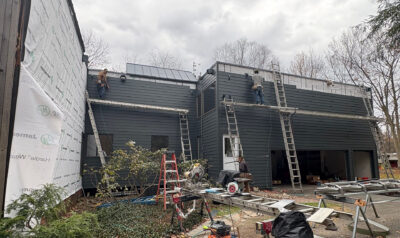
Tear-off and disposal of your existing roof typically adds $1 to $3 per square foot. Some jurisdictions allow a second layer of shingles over the first (in a process called reroofing), which is a cost-effective choice compared to a full roof replacement. However, reroofing is only recommended for a roof that’s structurally sound but has minor cosmetic issues. A clean tear-off is almost always the better investment.
Structural reinforcement is necessary when you upgrade from a lightweight material to tile or slate. An engineer’s assessment and any required framing upgrades can add $5,000 to $15,000 or more to your project. Always get a structural evaluation before committing to a heavy material.
Understanding Roofing Warranties
Roofing warranties fall into two categories:
- Manufacturer warranties (covering material defects)
- Workmanship warranties (covering installation errors)
A 50-year shingle warranty means little if it’s prorated (where coverage decreases each year) or if the installer’s workmanship guarantee expires after just two years.
The strongest roof warranty packages come from certified contractor partnerships. Home Genius Exteriors, for example, holds Owens Corning Platinum Preferred Contractor certification, a distinction earned by fewer than 1% of roofing contractors nationwide. This certification unlocks Platinum-level warranty coverage that protects both materials and labor for extended terms, giving homeowners an assurance that standard installations can’t match.
Choosing the right roof
Selecting among the many types of roof materials comes down to aligning your climate, budget, and aesthetic preferences with the material that checks the most boxes. Asphalt shingles remain the go-to for affordability. Metal roofing delivers unmatched longevity. Tile and slate reward homeowners who prioritize permanence and beauty. Synthetic composites bridge the gap between premium looks and practical budgets.
But here’s the thing: the best roofing materials only perform as promised when installed by skilled professionals. Home Genius Exteriors combines decades of expertise with Platinum Warranty protection on both materials and labor, keeping your investment protected from day one. Call today for a free inspection and estimate, and let the team help you find the best roofing material for your home.
Frequently Asked Questions
What is the best roofing material for solar panels?
Metal roofing is widely considered the best base for solar installations. Standing-seam metal panels allow for solar racks to be clamped directly onto the seams, which means installers won’t need to drill holes into your roof deck. While solar can be installed on asphalt shingles, the process involves more penetrations and flashing, which increases the potential for leaks over time.
Can I change my roof material from shingles to metal or tile?
You can switch materials, but you must account for structural weight and local building codes. While metal is lightweight and can usually replace asphalt without extra support, materials like clay or natural slate are significantly heavier. Always check with your local HOA first, as many neighborhoods have strict rules about reflectivity and material types to keep a consistent look.
What’s the best roofing material for resisting hail?
If you live in a region prone to severe weather, look for materials with a Class 4 impact rating. Rubber tile roofing and certain architectural asphalt shingles are engineered to withstand large hailstones without cracking. Metal roofing also performs well against impact, though it may sustain cosmetic denting during a major storm. Investing in these durable options often leads to lower insurance premiums because they significantly reduce the risk of a total loss after a storm.
Does roof color really affect energy bills?
The color and finish of your roof have a direct impact on your home’s internal temperature. Light-colored metal roofing and TPO membranes are designed to reflect solar heat rather than absorb it. In hot climates, these “cool roof” materials can reduce your annual cooling costs by up to 25%. While dark shingles are popular for their aesthetic, they can reach much higher temperatures in the summer, which forces your air conditioning to work harder.
How do I know if my roof needs ventilation upgrades when I replace materials?
Ask your contractor to evaluate intake and exhaust ventilation, plus attic insulation levels, before finalizing the roofing system. Balanced ventilation can reduce moisture buildup, improve comfort, and help many roofing products perform as intended.
What’s the difference between roof underlayment types, and does it matter which material I use?
Underlayment can be felt, synthetic, or self-adhered membranes, each offering different levels of water resistance and durability. The best choice depends on roof slope, local weather, and the roof covering, so it should be specified as part of the full roofing system.
How should I evaluate a roofing contractor beyond price and online reviews?
Verify licensing and insurance, confirm who manages the crew, and ask for recent local references for the same material you’re installing. You should also request a written scope of work that details ventilation, flashing, underlayment, cleanup, and change-order policy.
How long does it take to replace my roof, from signing to completion?
Timelines vary based on permits, material lead times, weather, and crew availability, not just roof size. A good contractor will provide a projected schedule with milestones for delivery, tear-off, installation, and final inspection.