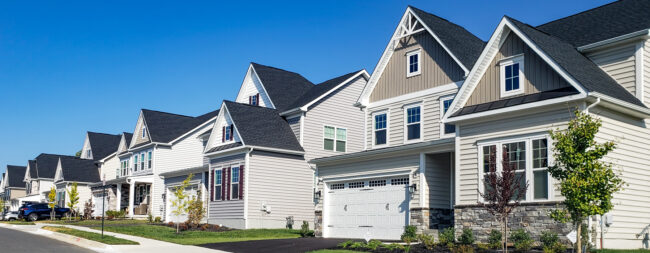
The Best Roof For Hurricanes
The Best Roof for Hurricanes: Materials, Design, and Codes
When a hurricane makes landfall, your roof is your primary line of defense. But for a roof to be deemed “hurricane resistant”, you need a complete system of structural geometry and materials that’s designed to withstand incredible force. The difference between a roof that holds and one that peels away can be as narrow as a few inches of nail spacing or one missed hurricane strap.
This guide breaks down every layer of that system so you can make a confident, informed decision. You’ll find detailed comparisons of roofing materials rated for high winds and design principles that prevent roof failure. Whether you’re building new or upgrading an older home on the coast, here are some tips to protect your home and your family.
Why Roofs Fail in Hurricanes: The Science Behind the Damage
Before comparing materials or roof styles, you should understand how wind destroys a roof. Hurricane damage isn’t random. It follows predictable failure patterns that engineers have studied for decades.
Wind Uplift and Pressure Differentials
When hurricane-force winds blow over a roof, they create negative pressure on the leeward side which causes uplift (and how wind can literally lift the roof of the house). The faster the wind, the greater the uplift force. Corners and eaves experience the highest loads because wind accelerates as it wraps around edges.
This is why so many roofs fail at the perimeter first. Shingles peel from edges inward, and once wind gets underneath even a small section, it acts like a lever, ripping away larger areas in seconds. A roof rated for 130 mph winds can still fail at 110 mph if the edge flashing or starter strips weren’t installed properly.
Wind-Driven Rain and Water Intrusion
Wind damage gets the headlines, but water intrusion causes the majority of financial loss. During a hurricane, rain can travel horizontally at 80 to 150 mph, finding every gap in ridge vents and under lifted shingles. Even a roof that stays physically attached can let thousands of gallons of water into the attic if the secondary water barrier fails.
This is why modern hurricane roofing standards focus heavily on underlayment and sealed roof-deck connections, not just the surface material. A beautiful metal roof with poor underlayment can leak worse than an older shingle roof with a properly sealed deck.
Windborne Debris Impact
In Category 3 and above storms, airborne debris becomes the wildcard. Broken tree limbs and loose fence boards become projectiles. Impact resistance is rated separately from wind resistance, and the two do not always correlate. A clay tile roof, for example, handles wind well but can shatter on debris impact, while a standing-seam metal panel absorbs impacts with only cosmetic denting.
The Best Roofing Materials for Hurricane-Prone Areas
Material selection is the most visible decision in “hurricane-resistant” roofing (although no one can guarantee a 100% hurricane proof roof). Each material type offers distinct advantages in terms of wind ratings and impact resistance.
Standing-Seam Metal Roofing
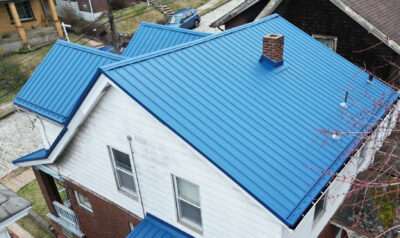
Standing-seam metal is widely considered the top performer in hurricane zones. Panels interlock along raised seams and attach to the deck with concealed clips, leaving no exposed fasteners for wind to exploit. Quality standing-seam systems carry wind ratings of 140 to 180 mph, and their continuous panel design resists the edge-peeling failure mode that affects shingle roofs.
Metal roofs also handle debris impact well. A flying branch may dent a steel or aluminum panel, but it rarely breaches a metal surface the way it can crack tile or strip basic asphalt shingles. The main drawback is cost, but lifespans of 40 to 70 years and lower insurance premiums can offset the upfront investment.
Installed costs for metal roofing typically range from $12 to $22 per square foot. Standard materials such as steel or aluminum offer the most value, whereas premium options like copper and zinc represent the high end of the market.
Impact-Rated Architectural Shingles
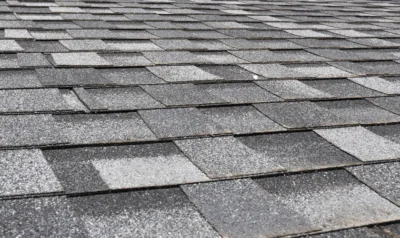
Not all asphalt shingles are created equal. Standard three-tab shingles rated for 60 to 70 mph winds are among the first casualties in any tropical storm. However, architectural shingles with Class 4 impact ratings and 130-mph wind warranties are in a different product category. These thicker, multi-layered shingles use reinforced fiberglass mats and strong adhesive strips to resist both uplift and hail.
For homeowners looking into shingle roofing, impact-rated architectural shingles strike the best balance between hurricane performance and budget. Costs range from $5 to $9 per square foot, making them the most accessible hurricane upgrade for your roof.
Concrete and Clay Tile
Tile roofs are a staple of Florida and Gulf Coast architecture (and for good reason). Concrete and clay tiles are inherently heavy, which resists uplift forces without completely relying on fastener strength. Properly installed tile systems with mechanical attachments carry wind ratings of 150 mph or higher.
Tile’s vulnerability is in impact resistance and installation quality. Individual tiles can crack or shatter when struck by debris, creating entry points for water. Tile is also heavy, so the underlying structure must be engineered to handle the load. Installed costs range from $10 to $18 per square foot.
Synthetic and Composite Roofing
Synthetic roofing products made from engineered polymers have emerged as a strong option for hurricane zones. These materials mimic the appearance of slate or cedar shake while offering Class 4 impact ratings and wind resistance up to 130 to 150 mph. They weigh significantly less than natural stone or concrete, which reduces structural load requirements.
The trade-off is that synthetic materials haven’t been around for that long, so they have a shorter track record in hurricane-prone environments compared to metal or concrete. Warranties typically run 30 to 50 years, and long-term UV performance in intense southern sun remains a question for the newest products. Installed costs range from $8 to $14 per square foot.
Comparing Hurricane Roofing Materials
Below are some of the most common roofing materials ranked by wind rating. We don’t recommend standard 3-tab asphalt shingles in hurricane zones as they’re not likely to hold up to hurricane-force winds.
Roof Design for Hurricane Resistance
Material matters, but geometry plays a huge part in a structure’s hurricane resistance. Two identical homes with the same shingles can experience dramatically different outcomes in the same storm based solely on roof shape and pitch. The roof’s geometry can physically reduce the forces acting on the structure.
Hip Roof vs. Gable Roof
Hip roofs, where all four sides slope downward from the ridge, consistently outperform gable roofs in hurricane testing. The angled surfaces deflect wind upward and over, reducing the pressure differential that causes uplift. Field studies have repeatedly documented that hip-roofed homes sustained significantly less structural damage than their gable-roofed neighbors in a hurricane. Some home insurance companies even offer discounts for homes with hip roofs.
Gable roofs present a flat, vertical triangular wall (the gable end) directly to the wind. This acts as a sail, catching lateral pressure that can push the entire gable end inward or blow it out. If you already have a gable roof and can’t currently afford a full roof redesign, you can reinforce the gable end with lateral bracing.
Optimal Roof Pitch and Overhang Depth
Roof pitches between 25 and 35 degrees (roughly a 6:12 to 8:12 slope) provide the best balance of wind resistance. Flatter roofs experience more direct uplift, while steeper roofs catch more lateral wind force. A moderate pitch lets wind flow over the surface with minimal turbulence while still shedding rain effectively.
Overhang depth is just as important. Extended eaves and soffits may look nice but they create leverage points for wind. Overhangs exceeding 20 inches significantly increase uplift forces at the roof edge. In hurricane zones, shorter overhangs of 12 to 16 inches are recommended.
Complex Roof Shapes and Attached Structures
Every valley and dormer adds a potential failure point. Complex multi-ridge roofs create areas of concentrated wind pressure where surfaces meet at different angles. Attached structures like carports or covered porches often have weaker connections to the main structure and can become detached, peeling away portions of the primary roof in the process.
Simpler roofs consistently perform better. If your home includes attached structures, make sure their roof connections use the same hurricane-rated hardware as the main roof.
If you live in the Carolinas or along the Mid-Atlantic coast, learn about the best roofing for South Carolina homes where coastal wind exposure requires straightforward, well-connected designs.
Roof Components That Protect Against Hurricanes
To design the best roof for hurricanes, every component of your roofing system needs to stand up to wind and water resistance. Focusing only on shingles or panels while neglecting what’s underneath is like buying a high-end car and skipping the brakes.
Roof Deck Attachment and Fastener Patterns
The roof deck, typically plywood or OSB sheathing, forms the structural foundation of the entire system. How that deck connects to the trusses or rafters determines whether the roof stays on the house. Hurricane-rated construction tightens standard nail spacing, using ring-shank nails at 4-inch edge spacing and 6-inch field spacing, roughly doubling the number of fasteners.
Secondary Water Barrier and Underlayment
The secondary water barrier (SWB) is the last line of defense between wind-driven rain and your home’s interior. Traditional felt paper provides minimal protection and can tear in high winds. Self-adhering peel-and-stick membranes, by contrast, create a watertight seal directly on the roof deck. Even if every shingle above it is stripped away, a quality SWB keeps water out for days.
Hurricane Straps, Clips, and the Continuous Load Path
A continuous load path connects the roof to the walls and the walls to the foundation using metal connectors at every junction. Hurricane straps are galvanized steel connectors that bolt or nail the roof trusses to the wall top plates. Without them, wind can lift an entire roof assembly off the walls even if every shingle remains attached.
Retrofit strap installation is possible on most homes without removing the roof, typically from the attic side. This single upgrade addresses the most catastrophic failure in hurricane damage and is required by modern building codes throughout Florida, the Gulf Coast, and increasingly along the Atlantic seaboard.
Building Codes and Wind Rating Standards
Building codes set the minimum acceptable performance for hurricane-prone construction. Understanding these codes helps you evaluate contractor proposals and gives you confidence that your investment meets or exceeds legal requirements. Codes also directly influence insurance premiums, making compliance a financial as well as a safety issue.
Florida Building Code and HVHZ Requirements
If you live in Florida, the state has the strictest residential wind codes in the country. The Florida Building Code (FBC) requires all roofing products to meet specific wind uplift and water resistance standards. In the High-Velocity Hurricane Zone (HVHZ) covering Miami-Dade and Broward counties, products must pass the Miami-Dade Notice of Acceptance (NOA) testing, which includes large missile impact tests and cyclic pressure testing.
Even outside the HVHZ, the FBC mandates wind resistance based on the design wind speed for each location. Homes in coastal areas may face design wind speeds of 150 to 180 mph, meaning every roofing component must be rated and installed accordingly. Contractors working in these zones must follow prescriptive nailing schedules and use approved products.
FORTIFIED Home Standards and Insurance Benefits
The FORTIFIED Home program, developed by The Insurance Institute for Business & Home Safety (IBHS), goes beyond minimum code with three tiers. The Roof designation, the most common starting point, requires enhanced roof deck attachment, a sealed roof deck, drip edge compliance, and rated attic ventilation. A study of recent Gulf hurricanes show FORTIFIED roofs were up to 35% less likely to experience an insurance claim.
Insurance incentives make FORTIFIED designation extra worthwhile. Alabama, Mississippi, Louisiana, and parts of the Carolinas offer premium discounts of 15% to 55% for FORTIFIED-designated homes. Over a 30-year mortgage, those savings frequently exceed the incremental cost of meeting the standard, making it one of the few home upgrades that pays for itself.
How to Read Wind Ratings and Product Labels
Roofing product wind ratings can be confusing. The key numbers to look for are the design wind speed (the maximum speed the product is tested to withstand) and the uplift pressure rating (measured in pounds per square foot). A product rated for “130 mph winds” has been tested under ASTM D3161 or similar protocols to withstand that velocity without tab lifting or material failure.
For impact resistance, look for UL 2218 Class ratings from 1 (lowest) to 4 (highest). Class 4 products can withstand a 2-inch steel ball dropped from 20 feet without cracking. In HVHZ areas, look specifically for Miami-Dade NOA numbers and Florida Product Approval numbers, which confirm the product has passed the most rigorous testing in the country.
Retrofit vs. Roof Replacement
Not every homeowner is ready for a full roof replacement. In many cases, targeted retrofits can dramatically improve hurricane performance at a fraction of the cost.
When you should retrofit your roof for hurricanes
If your roof is less than 10 years old and in generally good condition, these upgrades can significantly improve hurricane performance without a full tear-off:
- Re-nail the roof deck to FORTIFIED spacing standards (ring-shank nails, 4-inch edge / 6-inch field). This is typically done from the attic side and costs $1,000 to $2,500.
- Install hurricane straps at every truss-to-wall connection. Retrofit straps cost $5 to $10 each plus labor, totaling $1,500 to $3,000 for most homes.
- Upgrade edge metal and drip edge to meet FORTIFIED or Florida Building Code standards. Edge failures initiate the majority of shingle losses.
- Seal and reinforce gable ends with lateral bracing if you have a gable roof. This addresses the most common structural failure point in gable designs.
- Replace standard ridge vents with wind-driven-rain-tested models to prevent water intrusion through the ridge.
When you should replace your roof
Retrofits can make sense for relatively new roofs, but if yours is approaching 15 to 20 years old or was installed before current building codes took effect, it’s better to “hurricane-proof” your entire roof. A total tear-off allows your contractor to inspect the deck, upgrade fastener patterns, install a full secondary water barrier, and apply modern edge metal.
A full roof replacement also resets your insurance clock. Many insurers offer significantly better rates for roofs under five years old that meet current code, especially with a FORTIFIED designation. For example, choosing the best roofing for homes in Virginia may save you money on insurance as well as increase your protection against hurricanes.
The Payoff of Hurricane-Resistant Roofing
Hurricane-resistant roofing costs more upfront than standard installations, but the sticker price doesn’t tell the whole story. The true cost equation includes insurance premium reductions and storm damage repairs you’re avoiding.
Insurance Premium Savings That Offset Costs
Wind mitigation inspections in Florida document specific roof features, including the deck attachment method and the presence of a secondary water barrier. Each qualifying feature reduces premiums further. Homeowners with a hip roof, re-nailed deck, and hurricane straps commonly see annual savings of $800 to $2,500 compared to homes lacking these features. A full roof replacement or reinforcement can save you between 20–50% on your insurance.
FORTIFIED designation amplifies these savings further. In states that recognize the program, documented compliance can reduce wind premiums by 15% to 55%. On a $3,000 annual premium, a 30% reduction saves $900 per year. When the incremental cost of achieving FORTIFIED Roof designation is typically $3,000 to $7,000, the payback period can be as short as three to five years.
Resale Value and Long-Term Financial Impact
Buyers in hurricane-prone markets increasingly prioritize roof condition and certification. A documented FORTIFIED designation or recent wind mitigation inspection acts as a selling feature that differentiates your home. Research shows that in some coastal areas, buyers will pay 7% more for a FORTIFIED house.
The long-term financial calculation also favors durability. A standing-seam metal roof that lasts 50 years may have a higher upfront cost, but it avoids a second full replacement a standard shingle roof would require within that same time period. Factor in avoided storm damage and insurance savings, and premium roofing materials frequently deliver better total value.
Your Hurricane Roof Readiness Checklist
This checklist summarizes what you’ve learned in this guide and gives you concrete steps to follow:
Pre-Hurricane Season Inspection (Do This Every May)
- Walk the perimeter and inspect your roof for lifted or cracked shingles or tiles
- Check all flashing around penetrations (vents and pipes) for gaps or rust
- Inspect soffit and fascia for loose panels or visible daylight from the attic
- From the attic, verify hurricane straps are present and intact at each truss connection
- Confirm ridge vents and attic ventilation covers are wind-rated and securely fastened
- Clear all gutters and downspouts for proper drainage during heavy rain
- Document roof condition with dated photos for insurance records
If you’d rather have the experts inspect your roof, Home Genius Exteriors can confirm that you haven’t missed any signs of weakness or potential infiltration areas.
How to Choose the Best Roof for A Hurricane Zone
Assess your current roof’s age and condition. If it was installed before your state’s latest wind code, it likely falls short of modern standards.
Determine your wind zone. Your local building department can provide the design wind speed for your address. This number dictates minimum product ratings. You can also try plugging your address into the ASCE Hazard Tool.
Decide between retrofit or replacement based on roof age, existing damage, and budget. Roofs under 10 years old with no damage are good retrofit candidates.
Select your material tier using the comparison table above, matching wind and impact ratings to your design wind speed.
Specify system components: Secondary water barrier type and fastener schedule.
Verify contractor credentials. Confirm that your contractor holds relevant state licenses, carries wind zone-specific certifications, and has documented experience with FORTIFIED or equivalent standards.
Request a wind mitigation inspection after installation to document all qualifying features for your insurer.
Protect Your Home With the Right Hurricane Roofing System
The best roof for hurricanes combines wind- and rain-tested geometry like hip shapes, high-wind-rated materials, sealed water barriers, and a continuous load path of hurricane straps and clips.
Every dollar spent on these upgrades delivers compounding returns through lower insurance premiums and avoided repair costs. Whether you’re planning a full roof replacement or targeted retrofits, the science and the standards are clear: invest in the complete system, not just the surface.
Home Genius Exteriors has decades of experience with hurricane-resistant roofing installations. As an Owens Corning Platinum Preferred Contractor, we provide industry-leading warranty coverage on both materials and labor. Our crews follow FORTIFIED-level installation practices, including storm-standard deck nailing, full peel-and-stick underlayment, and hurricane strap verification so your roof meets or exceeds the toughest standards in the country.
Contact us for a free roof inspection and estimate to find out exactly where your current roof stands and what it takes to keep your family and your home protected during the next storm (and every storm after that).
Frequently Asked Questions
How do I choose a hurricane-ready roofing contractor?
Ask for proof of active licensing and insurance, then request a written scope that specifies the fastening schedule and underlayment system. A reputable contractor should also provide product approval documentation required in your jurisdiction and explain the inspection steps they expect to pass.
What documentation should I keep to make insurance claims and premium discounts easier?
Save the signed contract, permits, final inspection records, and paid invoices that list model numbers (if applicable) and installation methods. Before and after photos, plus a clear roof plan showing features like vents and flashing locations, can help reduce disputes after a storm.
How does salt air near the coast affect roofing choices and maintenance?
Coastal salt exposure accelerates corrosion on many metals and can shorten the life of fasteners and accessories if you use the wrong finishes. Choose corrosion-resistant materials and coatings rated for marine environments, and plan for periodic rinsing and inspections of fasteners and flashings.
What are the most common hidden installation mistakes that can cause leaks?
Leaks often trace back to poorly detailed penetrations and transitions, such as pipe boots and skylight curbs. The best prevention is a contractor who follows manufacturer-specific details for each component and performs a documented water-intrusion check before closing out the job.
Should I upgrade attic insulation or ventilation when improving hurricane roof performance?
Yes. Storm-focused roof work is a good time to correct ventilation balance and air sealing because it can reduce moisture buildup and heat stress that degrade roofing materials over time. Coordinate insulation and ventilation upgrades so they work together and meet local code requirements.
How do solar panels or rooftop equipment change hurricane roof planning?
Panels add wind loads and introduce roof penetrations, so the mounting system and attachment method matter as much as the roof itself. Use hurricane-rated racking, minimize penetrations where possible, and make sure the installer provides engineering documentation and a clear plan for waterproofing.
What should I do immediately after a hurricane to prevent further roof damage while waiting on repairs?
First, document damage safely from the ground and inside the attic, then contact your insurer and a licensed roofer for an emergency assessment. Use temporary measures like properly secured tarps, and avoid climbing onto a potentially compromised roof or making DIY repairs that could affect claim approval.