Signs of a Bad Roofing Job
Spotting the signs of a bad roofing job can save you thousands in repairs and prevent serious water damage to your home. Whether you just had a new roof installed or you’re evaluating a contractor’s work, knowing what separates good craftsmanship from a shoddy job gives you the power to act before small problems become catastrophic failures.
Obvious signs, like immediate leaks, aren’t always present with a bad roofing job. Defects can hide in plain sight for months or even years, silently shortening your roof’s lifespan and voiding manufacturer warranties. With decades of experience in the roofing industry, we’ve seen it all, and we’re going to share the red flags to catch before you sign a contract as well as the warning signs that reveal poor work after the job is done.
Roofer Red Flags Before You Hire
The easiest way to avoid a bad roofing job is to never hire the wrong contractor. Easier said than done, of course. 74% of homeowners find roofing contractors via word-of-mouth. If you have a personal referral from someone who hired a good contractor, that’s one way to improve your chances of hiring the right team for the job.
That being said, pay close attention to the following red flags during the bidding phase.
Paperwork and Pricing Warning Signs
A trustworthy roofer provides a detailed, written estimate that specifies the materials, labor scope, and warranty terms. If a bid is vague, handwritten on a scrap of paper, or missing the shingle brand, treat it as a serious red flag.
Watch out for contractors who ask for large cash-only deposits, refuse to provide proof of licensing and insurance, or pressure you with “today only” pricing. Legitimate professionals carry general liability insurance and workers’ compensation coverage. They also pull the necessary permits to replace your roof instead of asking you to skip the process to “save money.”
Behavioral Red Flags and Storm-Chaser Tactics
Door-to-door solicitations right after a major storm are a classic scam. These “storm chasers” often offer suspiciously low bids, use cheap materials, and disappear before you notice any problems. They might also offer to waive your insurance deductible, which is insurance fraud in most states.
Other warning signs include refusing to provide local references, having no verifiable business address, and avoiding questions about manufacturer certifications. A contractor who won’t answer direct questions likely has something to hide.
| Contractor Red Flag | What It Suggests | What To Do |
|---|---|---|
| No written contract or vague scope of work | No accountability for materials or workmanship | Request a detailed, itemized contract before signing |
| Large cash-only deposit (over 30%) | Possible fly-by-night operation | Offer no more than 10–20% down; pay the balance upon completion |
| No proof of license or insurance | You assume full liability for injuries or damage | Verify credentials through your state licensing board |
| Pressure to sign immediately after a storm | Storm-chaser scam tactics | Get at least three local bids and check references |
| Refuses to pull permits | Work may violate building codes | Walk away; unpermitted work creates legal and resale issues |
Signs of a Bad Roofing Job After Installation
Even if you hired a contractor who seemed legitimate, you might still find issues with the finished product. Learning how to tell if a roofer did a bad (or good) job requires an inspection that starts at the curb and ends at the attic.
Thorough documentation catches problems early, so make sure your contractors are taking photos and taking note of their work before they go home.
Visible Shingle and Material Defects
Stand at the curb and look at your roofline. Straight, uniform shingle lines are the hallmark of professional work. Wavy or uneven shingle courses indicate rushed installation or improper nailing.
Other visible defects include mismatched shingle colors across different roof planes, exposed nail heads, and missing starter strips along the eaves. If you spot shingles that don’t lie flat or have curling edges on a brand new roof, the installer likely ignored the manufacturer’s nailing pattern specifications.
Flashing and Ventilation Failures
Flashing problems are among the most common signs of a bad roofing job because they lead directly to leaks. Check every roof penetration point: chimneys, vents, and skylights. Properly installed metal flashing creates a watertight barrier at these vulnerable areas. If your contractor uses caulk or roofing cement instead of metal flashing, this shortcut will fail within a few years.
Ventilation issues are harder to spot but just as damaging. Your attic needs balanced intake and exhaust to prevent moisture buildup. A roofer who installs new shingles over blocked soffit vents or fails to add adequate ridge ventilation has compromised your entire roofing system. Knowing how to detect roof leaks early can help you catch these failures before they cause major damage.
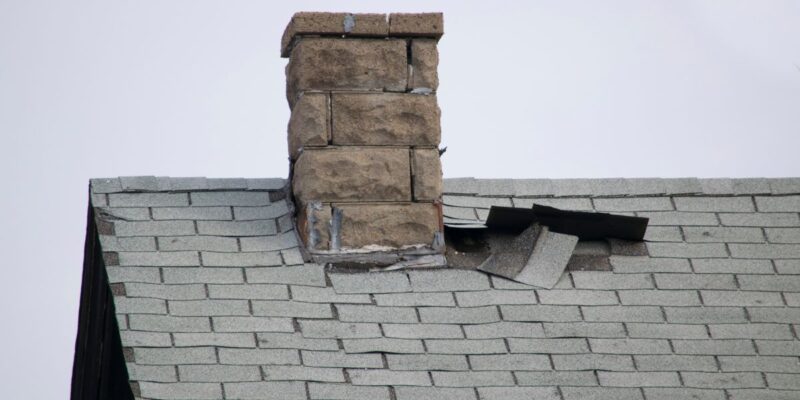
Sloppy Cleanup and Code Violations
Quality contractors clean up the job site as they go and use tarps and magnetic sweepers to protect your property. Finding roofing nails in your yard or damaged gutters signals a crew that may be cutting corners.
Building code violations are another telltale sign. Most areas require specific underlayment, proper drip edge installation, and a minimum number of nails per shingle. If your roofer skipped the building inspection or there’s no permit on file, the work may not be up to code. This can affect your insurance coverage and home resale value.
For homeowners who want a third-party check, the NRCIA’s LeakFREE certification provides a standardized inspection. Insurance carriers in 12 states now accept this certificate in lieu of a separate roof inspection, which can save homeowners money on re-inspection costs.
What to Do If You Suspect Poor Roofing Work
If you’ve spotted signs of a bad roofing job, take date-stamped photos of every defect, then review your contract’s warranty and workmanship guarantee.
Get in touch with the contractor in writing with a specific list of concerns and request a site meeting with a written correction plan. If they’re unresponsive, hire an independent roofing inspector for a professional assessment. You’ll be able to make a good case if you have documented proof that the contractor violated the manufacturer’s specifications during install.
When communication fails, you can escalate the issue to your state licensing board or a consumer protection agency. Keeping organized records of all correspondence strengthens any formal complaint.
If your current roof is beyond repair due to poor workmanship, you can look into a full roof replacement by a certified contractor like Home Genius Exteriors. As an Owens Corning Platinum Preferred Contractor, we follow manufacturer specifications on every installation and provide Platinum Warranties that cover both labor and materials. Our crews document each phase of the project with photo checklists so you never have to wonder whether your investment is protected.
Concerned your roof wasn’t installed correctly? Whether you need a second opinion or a complete redo, we’re ready to help. Contact Home Genius Exteriors today for a free inspection and estimate, and get the peace of mind that comes with knowing your roof was built to last.
Frequently Asked Questions
How Soon Should I Schedule a Post-Installation Roof Inspection?
Aim for an inspection within the first few weeks after the install. You should check again after the first heavy rain to confirm everything is performing as expected.
What Questions Should I Ask a Roofer to Confirm They’ll Protect My Landscaping and Property?
Ask how they plan to safeguard plants and decking, where they’ll stage materials, and what their daily cleanup process looks like. Make sure they write these protection steps in the contract so expectations are clear.
How Can I Compare Two Roofing Bids When the Material Lists Look Similar?
Look beyond the shingle type. Compare the ventilation plan, flashing details, and warranty coverage. If needed, ask each contractor for a line-by-line scope that clarifies what is included and what is not.
What Documentation Should I Request at Project Closeout for Future Resale or Insurance Needs?
Request the final paid invoice, permit sign-off, warranty certificates, and a set of completion photos. Keeping these together can streamline future claims or home sale disclosures.
Can Solar Panels, Satellite Dishes, or Other Rooftop Equipment Hide Signs Of A Bad Roofing Job?
Yes, mounted hardware can conceal poor fastening or flashing. If you have rooftop equipment, ask for an inspection that includes the areas around the mounts and confirms all penetrations were properly sealed.
Is It Safe for Homeowners to Walk on a Roof to Check Workmanship?
No. Steep slopes and new materials can be slippery and easily damaged. Use ground-level views with binoculars and check your attic, then hire a professional for any close-up evaluation.
How Does Roof Maintenance Affect a Roof, Even When It’s Been Installed Correctly?
Even a well-installed roof needs upkeep. A simple routine is to clear gutters, remove roof debris, and trim overhanging branches once or twice a year. Also, do a quick attic scan for any dampness or staining.