Roof Insulation: Everything You Need To Know
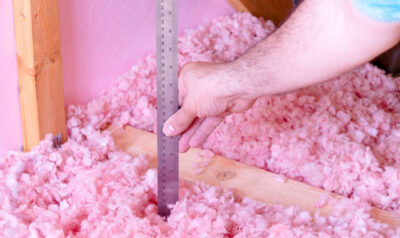
Choosing the right roof insulation can reduce your energy bills by hundreds of dollars each year, but most homeowners have no idea if their current setup even meets basic efficiency standards. With rising utility costs and tightening building codes, the gap between what your home has and what it needs has never been more costly to ignore.
The key is matching the right product to your home’s specific needs. You’ll want to understand the differences between major insulation types and what an R-value means so you know how to best insulate for the local climate and house type, lower your energy bills, and be more comfortable at home.
What Does R-Value Mean in Roof Insulation?
When choosing insulation, you’ll find different options based on their R-value rating. R-value measures a material’s resistance to heat flow. The higher the number, the better the insulation slows heat transfer through your roof assembly. Every insulation product earns its R-value based on thickness and material composition, so a thin sheet of rigid foam can match or outperform a thicker batt of fiberglass depending on the product.
Combining Insulation Types for Better Performance
One of the most practical things about R-value is that it’s additive. If you lay R-19 batts on the attic floor and blow R-30 of cellulose on top, you get R-49 total. This makes layering different insulation types a feasible strategy for hitting code requirements without tearing out what you already have.
However, compression kills R-value. Stuffing R-19 batts into a space designed for R-13 doesn’t give you R-19; it actually reduces performance because you’ve eliminated the tiny air pockets that slow heat transfer. Proper installation matters as much as the material you choose.
Recommended Roof Insulation by Climate Zone
The U.S. Department of Energy divides the country into eight climate zones, each with specific insulation targets. Certain attic R-values can qualify for substantial federal tax credits in the right circumstances.
| Climate Zone | Recommended Attic/Roof R-Value | Example Regions |
|---|---|---|
| Zones 1–2 | R-30 to R-49 | Southern Florida, Gulf Coast, Hawaii |
| Zone 3 | R-30 to R-49 | Southern California, the Carolinas, Georgia |
| Zone 4 | R-49 | Mid-Atlantic, Tennessee, Oklahoma |
| Zones 5–6 | R-49 to R-60 | Great Lakes, Pacific Northwest, New England |
| Zones 7–8 | R-60 | Northern Minnesota, Alaska |
State-level updates continue to raise the bar for what’s acceptable in the region, so check your local jurisdiction’s current code before starting a project to prevent costly do-overs.
Comparing Roof Insulation Types
Each insulation material comes with its own advantages depending on your roof type, budget, and performance goals. Below is a side-by-side breakdown of the four most common options you might encounter:
| Insulation Type | R-Value Per Inch | Best For | Typical Cost (Installed/sq ft) | Lifespan |
|---|---|---|---|---|
| Fiberglass (Batts/Blown) | R-2.2 to R-3.8 | Open attic floors, standard rafters | $0.80–$1.50 | 20–30 years |
| Mineral Wool | R-3.0 to R-3.3 | Fire-resistant assemblies, soundproofing | $1.40–$2.10 | 30+ years |
| Spray Foam (Open/Closed Cell) | R-3.6 to R-7.0 | Cathedral ceilings, air sealing | $1.50–$3.50 | Lifetime of structure |
| Rigid Foam Board (XPS/EPS/Polyiso) | R-3.8 to R-6.5 | Flat roofs, continuous insulation | $1.20–$2.80 | 30+ years |
Fiberglass and Mineral Wool for Standard Attics
Fiberglass is the most popular roof insulation in residential homes. Batts fit between standard joist and rafter spacing, while blown-in fiberglass fills irregular cavities and works well for adding depth over existing insulation. The material is affordable and available at virtually every home improvement retailer.
Mineral wool (also called rock wool) costs more per square foot but earns its price through excellent fire resistance, density, and sound dampening. It holds its shape over decades without sagging, which makes it a great choice for homeowners who want to insulate once and never think about it again. Both materials require a separate air barrier and vapor retarder for peak performance.
Spray Foam for Complex Roof Assemblies
Closed-cell spray foam delivers the highest R-value per inch of any common insulation and doubles as an air and moisture barrier. This makes it ideal for cathedral ceilings or finished attics where space is limited and you need maximum thermal performance in a thin profile. Open-cell spray foam costs less and excels at filling odd-shaped cavities, though it requires a vapor barrier in cold climates.
Spray foam requires professional application, proper ventilation during curing, and careful planning around electrical and mechanical components. It costs more than fiberglass or mineral wool, but homeowners in extreme climates often see the fastest payback from closed-cell foam thanks to its combined insulating and air-sealing properties.
Rigid Foam Board for Flat and Low-Slope Roofs
Polyisocyanurate (polyiso), extruded polystyrene (XPS), and expanded polystyrene (EPS) boards are all standard for roof insulation in commercial flat roofs and residential low-slope designs. These boards install above the roof deck as continuous insulation, eliminating thermal bridging through rafters and joists.
Polyiso offers the highest R-value per inch among rigid boards but loses some performance in extremely cold temperatures. XPS provides consistent R-5 per inch across temperature ranges, while EPS is the most budget-friendly option. Stacking multiple layers of rigid board lets contractors hit high R-value targets without excessive thickness.
How Much Can You Save with Proper Roof Insulation?
89% of single-family homes are under-insulated in terms of current code standards. That means the vast majority of homeowners are losing money through their roofs right now.
So with proper roof insulation, how much can you save on your energy bills?
Consider a 1,500-square-foot home in Climate Zone 4 (think Nashville or Oklahoma City) with existing R-19 attic insulation. Upgrading to R-49 reduces heat loss through the ceiling by roughly 60%. For a household spending $2,400 annually on heating and cooling, where 25–30% of that energy escapes through the roof, the upgrade could save $360–$430 per year.
At a typical upgrade cost of $2,500–$4,000 for blown-in fiberglass or cellulose over existing batts, the payback period lands between six and ten years. Federal tax credits covering up to 30% of insulation and air-sealing costs shorten that timeline significantly, with some homeowners recouping their investment in as little as four years.
Other Benefits of a Well Insulated Roof
Apart from energy bill savings, proper roof insulation eliminates hot and cold spots, reduces ice dam formation in northern climates, and allows your HVAC system to run shorter, less stressful cycles. Many homeowners who upgrade insulation before replacing their HVAC system discover they can downsize to a smaller, less expensive unit because the home’s thermal load drops dramatically.
Noise reduction is another underappreciated benefit. Mineral wool and spray foam in particular cut exterior noise transmission through the roof, making living spaces noticeably quieter during rainstorms, wind events, and in neighborhoods near airports or highways.
Installation and Building Code Compliance
Your installation method depends on your roof type, existing insulation condition, and whether the attic is finished or unfinished. Each scenario requires a different approach to safely achieve code compliance.
For open, unfinished attics, blown-in fiberglass or cellulose over existing batts is the most cost-effective choice. Homeowners with basic DIY skills can rent a blowing machine and handle this project in a weekend, though you need to seal air leaks around penetrations (light fixtures, plumbing vents, electrical boxes) before insulating. Skipping air sealing cuts your effective insulation performance by 25–40%.
Cathedral ceilings and finished attics require professional installation. Spray foam applied to the underside of the roof deck creates a conditioned attic space that protects ductwork and eliminates the need for separate ventilation baffles. Rigid foam above the roof deck suits both new construction and major roofing projects where the deck is already exposed.
Moisture, Ventilation, and Vapor Barriers
Insulation performs only as well as the moisture management system around it. In unconditioned attics, soffit-to-ridge ventilation keeps moisture from condensing on cold roof sheathing during winter. Vapor barriers on the warm side of the insulation (facing the living space in cold climates) prevent interior moisture from migrating into the insulation layer.
Closed-cell spray foam and foil-faced polyiso act as their own vapor barriers, simplifying the roof assembly. However, combining these with additional vapor barriers can trap moisture and cause problems, so follow manufacturer specifications and local code requirements. When in doubt, consult a professional to evaluate your specific roof assembly before adding layers.
Roof Insulation Maintenance and Longevity
Most insulation materials require minimal maintenance, but it’s still a good idea to conduct periodic inspections. Check your attic insulation annually for signs of moisture damage, pest activity, compression from stored items, and settling in blown-in applications. Addressing small issues early prevents expensive remediation later.
Fiberglass batts may sag or settle over 20–30 years, reducing effective R-value. Topping off with blown-in insulation restores performance without removing the original material. Spray foam and rigid board typically maintain their rated R-value for the life of the structure, making them strong choices for homeowners who prioritize long-term durability.
Make Your Roof Insulation Upgrade Count
The right roof insulation delivers compounding returns: lower utility bills, more comfort, extended HVAC lifespan, and increased home value. Start by identifying your climate zone, checking your current R-value against code requirements, and choosing the material that fits your roof type and budget. Factor in available energy efficiency incentives and federal tax credits to maximize your return.
For homeowners ready to move from research to action, Home Genius Exteriors brings Owens Corning Platinum Preferred Contractor expertise to every roofing and insulation project. Our team evaluates your existing roof assembly, recommends the right insulation strategy for your climate, and handles installation with warranties that cover both labor and materials. Contact us today for a free inspection and estimate to find out exactly how much energy and money a properly insulated roof can save you.
Frequently Asked Questions
How can I tell if my attic insulation is installed correctly, even if the R-value is high?
Look for full, even coverage with no gaps at eaves, around chimneys, or near attic access hatches. Insulation should not be blocking soffit vents, and recessed lights or heat-producing fixtures should have proper clearances. If you see uneven depths, exposed drywall, or dark streaks from air movement, a professional inspection can confirm performance issues.
What is the difference between insulating the attic floor and insulating the roof deck?
Insulating the attic floor typically keeps the attic unconditioned, which can be ideal when ducts and HVAC equipment are not in the attic. Insulating the roof deck and conditioning your attic can improve efficiency, reduce thermal losses and condensation risk when mechanical systems (like HVAC or an air handler) are located there. In some homes, upgrading attic floor insulation plus adding duct insulation and sealing is enough. A contractor can model the tradeoffs based on duct layout, leakage, and local climate.
What should homeowners know about insulating around recessed lights, chimneys, and exhaust fans?
These areas often require special clearances and fire-safe materials, especially near chimneys and non-IC rated recessed lights. Bathroom and kitchen exhaust fans should vent to the exterior, not into the attic, to prevent moisture problems. When in doubt, use approved covers, flashing, and sealants that meet code and manufacturer requirements.
Is DIY roof insulation worth it, and when should I hire a pro instead?
It may be tempting to DIY the insulation in a straightforward, open attic where you can safely access the space and follow air sealing and ventilation best practices. However, it’s always best to hire a professional. This is especially true for complex rooflines, finished attics, any situation involving spray foam, or when moisture, mold, or electrical concerns are present. A pro can also help make sure your insulation is code compliant and if it’s eligible for certain rebates.
How do I compare insulation quotes from contractors?
Ask each bidder to specify the target R-value, installed thickness, coverage area, air sealing scope, and how they’ll maintain ventilation. Confirm whether they’ll protect and re-install attic access insulation, install rulers for depth verification, and document final installed levels. You can also request product data sheets and warranty details for labor and materials.
Will adding roof insulation affect indoor air quality or attic odors?
It can, especially if air leaks are sealed, because the home may retain more indoor pollutants without adequate ventilation. Be sure to assess bath fan performance, kitchen venting, and whole-home ventilation when tightening the building envelope. If attic odors exist, address moisture sources and contaminated materials before adding new insulation.