What Is Roll Roofing, and When Should I Use It?
Roll roofing is one of the most affordable and fastest-to-install options for covering low-slope structures. Whether you’re protecting a garden shed, sealing a flat garage addition, or patching a carport until budget allows a premium upgrade, you’ll save both money and headaches by learning about this material’s strengths and limits.
This guide breaks down the main types of roll roofing, walks through installation basics, compares costs against traditional shingles, and goes over the scenarios where it makes the most sense as your roofing material of choice.
What Is Roll Roofing?
Roll roofing, sometimes called rolled roofing or MSR (mineral-surfaced roll), is an asphalt-based material sold in large rolls rather than individual shingles. Each roll typically measures 36 inches wide and covers roughly 100 square feet. The product uses a fiberglass or organic-felt base saturated with asphalt, making it lightweight and easy to handle compared to most other roofing materials.
Because each roll covers a wide area in a single pass, it’s much quicker to install than shingles (which you need to lay row by row). This, plus a low material cost, makes rolled roofing popular for outbuildings, temporary repairs, and budget-conscious flat roof projects where appearance matters less than function.
Mineral-Surfaced vs. Smooth-Surfaced Rolls
The two most common types mainly differ in their top layer. Mineral-surfaced roll roofing features ceramic granules bonded to the exposed face, offering improved UV resistance and a slightly longer service life. It closely resembles asphalt shingles in texture, though it lacks the dimension you’ll see in architectural shingles.
Smooth-surfaced roll roofing skips the granule layer. Roofers use it mostly as flashing material, a base layer beneath other roofing products, or a temporary weatherproofing solution. Without granules, the smooth variety degrades faster under direct sunlight, so it’s generally better for concealed or short-term applications rather than permanent exposed roofing.
Where Rolled Roofing Performs Best
Roll roofing works well in specific scenarios, but it isn’t a universal solution. Matching the material to the right project prevents premature failures and wasted money.
These are the best applications for roll roofing:
- Sheds and workshops: Small footprints and simple roof planes make rolled roofing a fast, cost-effective choice.
- Detached garages and carports: Low-slope garages benefit from the material’s wide coverage and straightforward overlap seams.
- Low-slope additions: Roof sections with a pitch between 1:12 and 2:12 can be candidates for roll roofing when proper adhesive techniques seal every seam.
- Temporary protection: When a structure needs waterproofing while you save for a premium system, rolled roofing buys some time at minimal cost.
If you’re looking at a full residential roof replacement, we don’t recommend roll roofing. The material’s shorter lifespan and flat appearance reduce curb appeal and long-term value on your home. It’s best used for small, less important structures and needs to be replaced after 5-15 years.
How Much Does Roll Roofing Cost?
Homeowners tend to choose roll roofing because it’s cheap and quick to install. It’s half the price of asphalt shingles, but also has a much shorter lifespan. Here are three roofing options for flat roofs or low slope applications:
| Material | Material Cost (per sq ft) | Installed Cost (per sq ft) | Typical Lifespan |
|---|---|---|---|
| Roll Roofing (MSR) | $0.50–$1.50 | $2.00–$5.50 | 5–15 years |
| Asphalt Shingles | $1.00–$2.50 | $4.50–$8.00 | 20–30 years |
| TPO / EPDM Membrane | $1.50–$3.50 | $5.00–$10.00 | 20–30 years |
The upfront savings may look enticing, but you could end up replacing roll roofing two or three times more than you would with a shingle roof. For structures you plan to keep long-term, you may want to invest in a more durable system.
How To Install Roll Roofing
DIYers tend to favor roll roofing because it’s much easier to install than regular shingles. However, it’s still best to have a contractor work on the roof as cutting corners on prep or seam sealing can lead to early leaks.
Here’s what you can expect from a roll roofing installation:
- Inspect and prep the deck: Replace damaged sheathing, remove debris, and make sure the surface is clean and dry.
- Install drip edge flashing: Secure metal drip edge along eaves and rakes to direct water away from fascia boards.
- Roll out the first course: Start at the lowest edge of the roof, aligning the roll parallel to the eave. Allow a slight overhang past the drip edge.
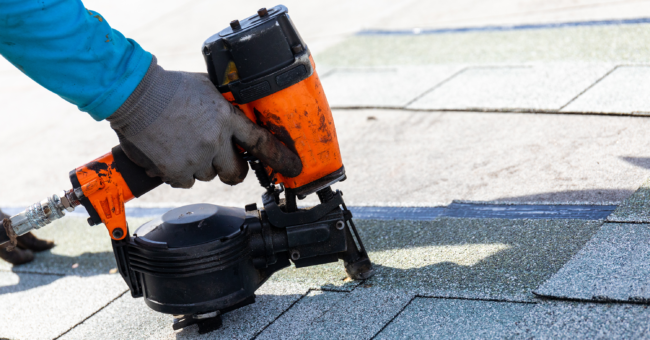
- Fasten and cement: Nail along the top edge of each course, then apply roofing cement generously under overlapping seams (typically 4 to 6 inches of overlap).
- Work upslope: Lay successive courses, overlapping each one, until you reach the ridge. Seal every edge and penetration point.
Cold-applied adhesive methods work well in moderate climates, while torch-applied modified bitumen rolls provide stronger bonds in regions facing heavy rain or freeze-thaw cycles.
If you’re unsure if your roof slope, substrate condition, or local building codes support a rolled roofing project, talk to a certified roofing contractor.
Durability, Maintenance, and Climate Considerations
MSR roll roofing generally lasts 5 to 15 years depending on installation quality, climate, and maintenance habits. High-UV environments accelerate granule loss, while regions with standing water or repeated freeze-thaw cycles stress seams the hardest. Smooth-surfaced products fare worse under direct exposure, often degrading within 5 to 8 years without a protective coating.
The best way to extend roll roofing’s service life is with regular inspections to catch issues early. Check seams and edges each spring and fall, looking for lifted edges, cracked cement, or pooling water. Clear debris that traps moisture, and reapply roofing sealant at any seam showing separation.
In hot, sunny climates, a reflective acrylic coating over mineral-surfaced rolls can reduce thermal stress and add several years to the roof’s lifespan. An aluminum coating can have similar benefits in cooler climates. For coastal regions, prioritize inspections after major storms and make sure flashing is still sealed at every penetration point.
Make the Right Call for Your Roof
Roll roofing earns its place as a budget-friendly solution for sheds, garages, low-slope additions, and temporary repairs. It falls short on primary residences where longevity and curb appeal matter. Weigh the upfront savings against the shorter replacement cycle, and match your material choice to both your roof’s slope and your local climate conditions.
When the project calls for professional guidance and installation, the team at Home Genius Exteriors can help you choose the best type of roofing materials for your needs. Contact us today for a free inspection and estimate to protect your property and work with your budget.
Frequently Asked Questions
Do I need a permit to install roll roofing on a shed or garage?
Permit requirements vary by municipality and may depend on roof size, structural changes, and whether the building is considered habitable. Check with your local building department before settling on a material, especially if the project includes replacing decking or altering drainage.
Can I use roll roofing on a flat roof?
If a roof basically has no slope and regularly holds water, a dedicated low-slope membrane (such as TPO or EPDM) is usually a better fit than roll roofing. A contractor can confirm whether your slope, drainage, and seam layout will reliably shed water.
Can I install roll roofing over existing shingles or an old roll roof?
In theory, the answer is “technically”, but it depends on local codes, the condition of the existing roof, and whether the surface is flat enough to prevent telegraphing and trapped moisture. It’s better to do a complete tear-off, especially if you have soft spots, multiple layers, or signs of active leaks.
What underlayment should I use beneath roll roofing?
Many installers use a compatible roofing underlayment (like No. 30 felt) to improve water resistance and protect the deck, particularly on lower slopes. In cold climates, an ice and water barrier at eaves and vulnerable transitions can add extra protection where water backs up.
What do I do about roof penetrations like vents, skylights, or pipe boots with roll roofing?
Penetrations need purpose-made flashing components that integrate with the roll roofing and are sealed according to manufacturer instructions. Poorly detailed penetrations are a common leak source, so it’s worth having a roofer handle these areas even on DIY projects.
What are the most common mistakes DIYers make with roll roofing?
Frequent issues include installing over damp or uneven decking, skimping on edge detailing, and mismanaging seam alignment around valleys and transitions. Choosing incompatible adhesives or rushing cure times can also lead to early lifting and leaks.
How can I compare product quality when shopping for roll roofing?
Look for manufacturer warranty terms, weight per roll, and clear installation requirements, then check that the product is rated for exposed use if it’ll be in direct sunlight. Buying from reputable brands and matching accessories (cement, primer, flashing) helps the system perform as designed.