How to Repair a Roof Leak Before It Causes Major Damage

A roof leak can lead to serious damage if it isn’t addressed quickly. The fastest way to repair a roof leak is to locate where water is entering, identify the damaged section of your roofing system, and apply a temporary or permanent fix depending on the severity. In many cases, a leak begins with worn shingles, cracked flashing, or loose roof penetrations—all of which allow moisture to enter during rain or storms. If weather conditions are unsafe or the leak is too large to handle alone, covering the area with a waterproof tarp can help protect your home until a professional repair can be completed.
In this article, we’ll walk you through how to identify a leak, the most common causes, the DIY fixes that are safe for homeowners, and how to know when it’s time to call in a roofing expert.
What Is the Fastest Way to Repair a Roof Leak?
Roof leaks almost always originate from weakened areas of the roof where shingles, flashing, or sealants have deteriorated. The quickest repair involves finding the source of moisture, stabilizing the area, and preventing further water intrusion until a more permanent fix can be made.
Quick Steps to Stop a Roof Leak Fast
- Locate the point of entry indoors (attic or ceiling).
- Inspect the roof for missing shingles, cracked flashing, or exposed nails.
- Apply roofing sealant or patch small openings.
- Install a tarp over the area if more rain is expected.
If your roof is older, understanding how long a roof typically lasts can help you determine whether a repair or full replacement is the more cost-effective option. Preventative guidance is also available through the Insurance Institute for Business & Home Safety.
Common Causes of Roof Leaks
Roof leaks are often the result of weather exposure, material aging, or failure around roof components. Below are the issues most frequently responsible for leaks.
Typical Sources of Roof Leaks
- Damaged or missing shingles
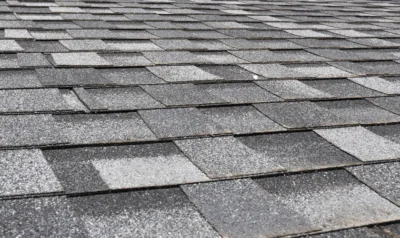
Weather, age, and impact can weaken shingles. Learn more in How Long Do Shingle Roofs Last? - Worn or cracked flashing around chimneys, skylights, or valleys
- Clogged gutters causing water to back up under shingles
(A key issue described in roof damage prevention guidance) - Aging roofing materials that no longer shed water
- Ice dams that force melting water beneath shingles
- Cracked vent boots or loose roof penetrations
- Improper installation or failing temporary repairs
If these issues occur repeatedly, reviewing Roof Repair vs. Replacement can help you understand long-term options.
How to Tell If You Have a Roof Leak
Some signs of a roof leak are subtle, while others appear suddenly. Early detection helps prevent interior and structural damage.
Indoors, you may notice yellow or brown ceiling stains, bubbling paint, musty odors, or damp drywall during or after storms. In the attic, wet insulation, darkened wood, and visible moisture trails often point toward a developing leak.
If you’re unsure, seasonal guides like Roof Inspection Tips can help you identify problems before they escalate.
How to Locate the Exact Source of a Roof Leak
Finding the precise entry point can be challenging because water often travels before dripping. Begin in the attic by checking for wet insulation or moisture streaks along rafters. Once you identify the general path, move outside to inspect the roof surface for damaged shingles, cracked flashing, or compromised vent boots.
If the leak appears limited to one area, guides like Can You Repair Just a Section of Roof? can help you determine whether a targeted fix may be enough. Professionals often rely on resources like the IBHS RICOWI Roof Damage Guide to diagnose hidden issues after storms.
DIY Roof Leak Repairs You Can Do Safely
While some minor leaks can be addressed temporarily by homeowners, safety and proper technique are essential.
DIY-Friendly Fixes
- Replace a damaged shingle
- Seal cracked flashing with roofing cement
- Patch nail pops with sealant
- Fill small holes with roofing caulk
Avoid DIY If:
- The roof is steep or slippery
- Decking is soft or sagging
- Damage is near chimneys, skylights, or valleys
- Multiple shingles are affected
If you’re weighing your repair options, compare Reroofing vs. Replacement for long-term planning. For safety guidelines, review OSHA’s fall protection standards.
Temporary Fixes Until a Professional Arrives
When weather or time constraints prevent a full repair, temporary solutions can help protect your home.
Effective Temporary Fixes
- Install a roof tarp secured from ridge to eave
- Apply emergency roof sealant for small cracks
- Clear gutters to allow proper drainage
- Contain interior water using buckets or floor protection
Planning ahead can reduce future leaks—see How to Prepare Your Roof Before the Rainy Season. After major storms, some homeowners may qualify for FEMA repair assistance.
When to Call a Professional for Roof Leak Repair
If the leak source is unclear, stains continue spreading, or the roof shows signs of widespread wear, it’s time to call a roofing professional. Mold growth, rotted decking, and flashing damage are issues best handled by experts with proper training and tools.
Home Genius Exteriors offers dedicated service across multiple regions, including Pittsburgh Roof Repair and Raleigh Roof Repair. To schedule an inspection, you can contact Home Genius Exteriors or find a location near you.
To learn why maintaining your roof matters, the Insurance Institute for Business & Home Safety provides helpful information on long-term home protection.
Roof Leak Repair FAQs
What causes most roof leaks?
Most leaks come from damaged shingles, cracked flashing, clogged gutters, or worn roof penetrations. Weather, age, and improper installation are usually the biggest contributors.
Do roof leaks always need professional repair?
Not always—small leaks can sometimes be patched temporarily. However, leaks involving structural damage, mold, valleys, or flashing should be handled by a professional to prevent further issues.
How quickly should I repair a roof leak?
Immediately. Even small leaks can cause insulation damage, mold growth, and wood rot if ignored. Early repair saves money and prevents more serious structural problems.
Will my insurance cover roof leak repairs?
Insurance may cover damage caused suddenly by storms or wind, but not leaks resulting from age or lack of maintenance. It’s best to consult your insurer for specific coverage details.