How To Prepare For A Roof Replacement
Major home renos can be loud, messy, and expensive, and preparing for a roof replacement is no joke. It’s the “open-heart surgery” of home maintenance, and the disruption is very real. But by shifting your focus from the price tag to the preparation, you can drastically cut down on stress.
Whether you’re worried about your garden or just want to avoid a flat tire from a stray nail, learn how to prepare for a roof replacement so you’re always one step ahead.
What to Expect During a Roof Replacement Project
A standard residential roof replacement takes one to three days, depending on your home’s size and the roofing material. Larger or more complex roofs with multiple levels or steep pitches may take longer.
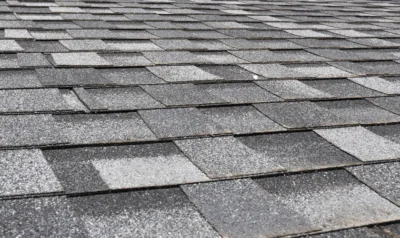
The crew will arrive early (usually between 7:00 and 8:00 am). The first phase involves tearing off your existing shingles and underlayment, which is the noisiest and messiest part. Workers then inspect the roof deck, install new underlayment, and lay the new shingles. The final stage includes cleanup and a quality inspection.
Noise, Vibration, and Debris
The tear-off phase is loud. It’s heavy construction right outside your window. These vibrations travel through your home’s frame, so pictures can fall off walls and light fixtures might shake. You’ll see dust dislodge from ceilings. Nails and shingle fragments will likely fall around your house during the entire project.
Don’t worry; with the right preparation, you can prevent damage, lower risk, and avoid surprises. Basic interior prep steps like clearing breakables and shielding floors reduce disruption and cleanup after the project wraps.
Preparing Your Yard and Home Exterior for Roof Replacement
Your yard takes the biggest hit during a roofing project. Falling debris and foot traffic can damage landscaping, furniture, and vehicles if you don’t prepare ahead of time. Start your exterior prep at least 48 hours before the crew is scheduled to arrive.
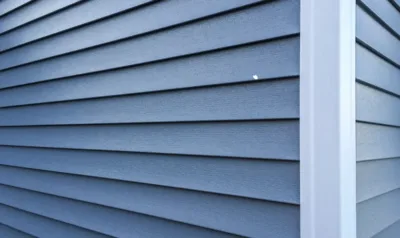
Many homeowners find that coordinating their project with other exterior upgrades, like siding replacement, saves money and reduces disruption in the long term.
Clear the Work Zone Around Your Home
Create a 15-foot clearance zone around your entire home’s perimeter. This gives the crew room to set up ladders, position dumpsters, and safely drop materials. Move the following items out of this zone:
- Patio furniture and grills to a garage or far corner of the yard
- Potted plants and garden decorations to a protected area
- Children’s play equipment (like trampolines and toys) away from the house
- Vehicles and trailers at least 20 feet from the house or in a detached garage
- Trash and recycling bins away from the driveway to make room for the dumpster
Protect Landscaping and Special Features
Cover flower beds and shrubs nearest to the house with tarps or plywood. Falling shingle debris contains granules and nails that can damage foliage. If you have an in-ground pool or hot tub near the house, cover them with heavy-duty tarps.
If you have sprinkler heads near your house, mark them with small flags so the crew doesn’t accidentally step on them. If you have solar panels (or satellite dishes in rural areas), alert your contractor in advance.
Coordinate Driveway Access and Parking
Your roofing crew needs clear driveway access for a dump trailer and material deliveries. Park your vehicles on the street or at a neighbor’s house for the duration of the project. Confirm with your contractor exactly where they want to stage materials and place the dumpster so you can plan accordingly.
Home Interior Preparation Checklist
The inside of your home needs just as much attention as the outside. Vibrations from hammering affect every room, but especially those on the top floor. Complete these steps the evening before work begins.

Secure Walls, Shelves, and Fragile Items
Walk through every room on the top floor and remove items that vibrations could knock loose. Take down framed photos and mirrors from walls. Move fragile collectibles and vases from high shelves to a lower, padded surface like a bed.
In your attic, cover stored items with plastic sheeting or old blankets. Dust and small debris may enter the attic space during tear-off. If you store holiday decorations or important documents in the attic, move anything irreplaceable to a lower floor.
Protect Living Spaces from Dust and Debris
Cover furniture in top-floor rooms with drop cloths or plastic sheeting. Ceiling light fixtures can accumulate dust, so you should cover tables and furniture directly beneath them. If you work from home, temporarily relocate your workspace somewhere else for the day since the noise will make concentration extremely difficult.
The EPA recommends full work-area isolation with plastic barriers and HVAC shutdown during renovation activities. While a standard roof replacement generates less hazardous material, turning off your HVAC system during the tear-off prevents dust from being pulled into your home. Plan to replace your HVAC filter immediately after the project concludes.
Make Sure Contractors Have Easy Access
Your roofing crew will need access to an exterior electrical outlet for power tools. Confirm which outlet they’ll use and clear any obstacles blocking it. Unlock side gates so workers can move freely around the outside of the house. If your home has an alarm system with sensors, disable them to avoid false alarms.
Pet and Child Safety During Roof Replacement
A roof replacement project creates a hazardous environment for children and pets. Sharp nails, falling debris, and heavy materials make the area around your home an active construction zone. Taking precautions here is non-negotiable.
How to Keep Children Safe and Comfortable
The safest option for young children is to have them spend the day elsewhere, whether with a family member or a friend. The sustained noise from nail guns can be distressing for toddlers and disruptive to nap schedules. If your children must stay home, designate a ground floor interior room as far from the work area as possible.
Explain to older children that the yard is off-limits during the project. Nails can scatter around the work zone and debris can fall without warning. Establish a clear rule: no one goes outside until the crew has completed final cleanup and given the all-clear.
How to Manage Pets Through the Project
Dogs and cats can react unpredictably to the loud, unfamiliar noises of a roofing project. Board your pets for the day or arrange a pet sitter if possible. If this isn’t possible, keep them in an interior room with food, water, and bedding. A white noise machine or music can help mask the construction sounds.
Don’t let pets into the yard during the project or immediately after. Roofing nails are small and can hide in the grass. The crew should do a thorough magnetic sweep, followed by your own inspection, before pets return to outdoor spaces.
Notify Your Neighbors and Handle Logistics
A quick heads-up for your immediate neighbors goes a long way. Let them know the project dates and that there will be significant noise and a temporary reduction in street parking outside your home. Neighbors with pets or small children will especially appreciate the warning.
If your home is in an HOA community, confirm any required approvals or color restrictions before your crew orders your roofing materials. Many municipalities also require a building permit for a full roof replacement. Your contractor should handle permitting, but always make sure they’ve obtained those permits before work starts.
Post-Roof Replacement Inspection Checklist
Once the crew finishes, your job is to inspect their work. A solid post-installation review protects your investment and makes sure the job was done right.
Walk the full perimeter of your home and visually inspect the new roof from the ground. You don’t need to climb a ladder. Look for the following:
- Straight, uniform shingle lines without visible waviness
- Properly installed flashing around chimneys, vents, and skylights
- Clean drip edges along the eaves and gables
- No exposed nails or gaps in the ridge cap
- Intact gutters with no damage
Take photos of the completed roof from multiple angles in case you ever need to make an insurance claim, address a warranty issue. And assuming that the roof replacement was done properly, these photos will set the baseline as the years go by and you start wondering how much wear your roof has gone through since the tear-off.
Reputable contractors will perform a magnetic sweep across your lawn, driveway, and garden beds to remove any stray nails or metal debris. Make sure they’ve done this before they leave.
Inside, check your attic for any daylight, which would indicate gaps in the roof deck. Look for any new water stains on ceilings, especially around vents and chimneys. Inspect top-floor rooms for excessive dust that may have entered through ceiling fixtures.
Collect Documentation and Register Warranties
Before your contractor leaves, collect these important documents:
- Final invoice and proof of payment
- Manufacturer warranty documentation for shingles
- Workmanship warranty from your contractor
- Building permit and inspection sign-off (if applicable)
- Any before-and-after photos from the contractor
Register your manufacturer warranty right away. Many companies require online registration within a certain timeframe to activate the full coverage. Keep all your paperwork in a safe place with your homeowner’s insurance policy.
Your Next Step Toward a Stress-Free Roof Replacement
Preparing your home for a roof replacement doesn’t have to be stressful if you break it down into steps. Handle the yard a few days out, prep the interior the night before, and arrange care for kids and pets on installation day. A final inspection wraps it all up. Every step you take reduces stress and prevents damage.
Home Genius Exteriors, an Owens Corning Platinum Preferred Contractor, manages every phase of your roof replacement with detail-oriented care that makes it easier for you to prepare your home. From permit coordination to thorough post-installation cleanup and magnetic nail sweeps, our crews handle the heavy lifting. Contact us today for a free inspection and estimate.
Frequently Asked Questions
How far in advance should I schedule a roof replacement to lock in my preferred dates?
Start reaching out to contractors 4 to 8 weeks ahead, or longer during peak storm seasons. Early scheduling also gives you more time to review proposals and confirm product availability.
What questions should I ask a roofing contractor before work begins?
Ask who will supervise the job daily, what subcontractors are involved, and how they protect property like siding and windows. Also confirm proof of insurance and what conditions could change the final price.
How do I compare roofing estimates without choosing the cheapest bid by default?
Compare proposals line by line, including tear-off details, deck repair allowances, and disposal fees. A good estimate is specific about materials, warranties, and timelines, not just a single total number.
What happens if it rains during the roof replacement?
Professional crews monitor forecasts and use tarps to limit exposure. Confirm in advance how your contractor defines a weather delay, how they secure the roof overnight, and if schedule changes affect labor charges.
Should I be home during the roof replacement, or can I leave for the day?
You can usually leave as long as the crew has access to the exterior and an agreed-upon power source. If you stay, plan for noise, restricted outdoor access, and occasional questions from the team.
How can I reduce the risk of damage to gutters, siding, and windows during the project?
Discuss protection measures such as debris catch systems and plywood shielding in vulnerable areas. Walk the exterior with the crew leader before work starts to note existing dents or cracks, then repeat the walk-through at completion.
What maintenance should I plan in the first year after a new roof is installed?
Schedule a visual check after the first major storm and keep gutters clear so water doesn’t back up under the roof edge. Trim overhanging branches and keep your warranty documents handy in case a small concern needs a quick service visit. Your roof maintenance checklist doesn’t need to be long, but taking time to inspect and assess is always a good idea.