How To Finance A Roof Replacement: Options and Cost Comparisons
Realizing you need a new roof can hit like a ton of bricks, especially when it’s a sudden expense. Depending on materials and size, a major project like this can cost $8,000 to $25,000 depending on materials and size. Luckily, there are many ways to finance a roof replacement. It’s just a matter of knowing your options.
The right financing strategy balances monthly affordability with long-term interest costs, whether that means leveraging your home’s equity, securing a personal loan, or another option.
How Much Does a Roof Replacement Cost?
Before looking into financing, you need to have a realistic number to work with. Roof replacement costs vary widely based on several factors, and getting clarity on your expected price range helps you avoid overborrowing or underestimating what you’ll need.
Roof size is the most obvious factor behind roof pricing. A 1,500-square-foot roof will cost significantly less than a 3,000-square-foot roof. But the pitch (steepness) of your roof can also affect labor time and safety requirements, which can impact the final bill.
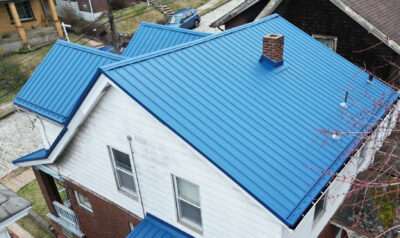
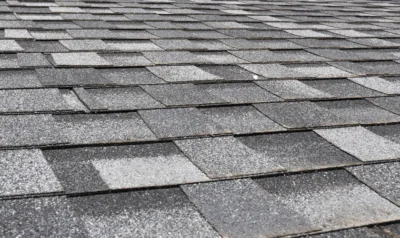
Roofing materials can vary just as much as roof size. Standard asphalt shingles fall in the $8,000 to $15,000 range for most homes, while architectural shingles or metal roofing can push costs to $20,000 and beyond. Whether your contractor performs a full tear-off or overlays new shingles on the existing layer (reroofing vs roof replacement) also affects pricing, with tear-offs adding $1,000 to $3,000 in labor and disposal fees.
Regional labor rates and permitting costs add to the total price. States with higher costs of living naturally carry higher roofing labor rates, and permit requirements differ by municipality. You may need to pay for a permit to replace your roof in Pennsylvania, for example, so be sure to factor this into your budget.
Typical Roof Replacement Cost by Project Size
| Project Size | Asphalt Shingles | Architectural Shingles | Metal Roofing |
|---|---|---|---|
| Small (1,000–1,500 sq ft) | $6,000–$10,000 | $9,000–$14,000 | $14,000–$20,000 |
| Medium (1,500–2,500 sq ft) | $10,000–$16,000 | $14,000–$20,000 | $20,000–$30,000 |
| Large (2,500–3,500 sq ft) | $16,000–$22,000 | $20,000–$28,000 | $30,000–$45,000 |
These ranges should give you a starting point. Get at least three detailed quotes from reputable roofing contractors before locking in a financing amount. Oversizing your loan slightly (by 10–15%) can provide a buffer for unexpected issues like rotted decking discovered during tear-off.
5 Ways to Finance a Roof Replacement
Each financing option has its own pros and cons. Your ideal choice depends on your home equity, credit score, and how quickly you need the money. Here’s a breakdown of the five most common paths.
1. Personal Loans for Roof Replacement
Personal loans are unsecured, meaning your home isn’t used as collateral. You borrow a fixed amount, receive the funds (often within one to three business days), and repay over a set term with fixed monthly payments. Loan amounts typically range from $5,000 to $100,000, with terms spanning two to seven years.
Interest rates for personal loans can range from roughly 6.49% to 35.99% depending on your credit score and the loan amount. Borrowers with credit scores above 720 tend to land at the lower end of that range, while scores below 650 push rates significantly higher. Some lenders offer term flexibility up to 240 months, which helps borrowers without equity manage their total costs.
Personal loans work best when you need funds quickly, don’t have significant home equity, or prefer to keep your home off the table as collateral. The application process is straightforward, and most lenders let you check rates with a soft credit pull before formally applying.
Pros:
- No home equity required
- Fast funding (often 1–3 business days)
- Fixed rates and predictable monthly payments
- Your home is not at risk if you default
Cons:
- Higher interest rates than secured options
- May include origination fees (1–10% of loan amount)
- Interest is not tax-deductible
- Shorter repayment terms mean higher monthly payments
2. Home Equity Loans for Roof Replacement
A home equity loan lets you borrow a lump sum against the equity you’ve built in your home. You receive the full amount upfront and repay it over a fixed term, typically 5 to 30 years, at a fixed interest rate.
Most lenders allow you to borrow up to 85% of your equity if you have a strong credit score, locking in predictable payments without touching your original mortgage rate. This approach works especially well in today’s rate environment, where many homeowners hold first mortgages at rates well below current market levels.
Closing costs for home equity loans typically run 2–5% of the loan amount, and the process takes two to four weeks from application to funding. The interest may be tax-deductible if the funds are used for home improvements (but consult a tax professional to see if it applies to your situation).
Pros:
- Lower interest rates than personal loans (typically 6–9%)
- Fixed monthly payments for easy budgeting
- Interest may be tax-deductible for home improvements
- Longer repayment terms reduce monthly payment size
Cons:
- Your home is used as collateral
- Closing costs add 2–5% to your total cost
- Requires sufficient home equity (usually 15–20% minimum)
- Longer approval and funding timeline (2–4 weeks)

3. HELOC: Home Equity Line of Credit
A Home Equity Line of Credit (HELOC) is like a credit card backed by your home equity. Instead of receiving a lump sum, you get access to a revolving credit line and draw funds as needed during the “draw period,” which typically lasts 5 to 10 years. After that, you enter a repayment period of 10 to 20 years.
HELOCs carry variable interest rates, which means your monthly payment can fluctuate with market conditions. Starting rates are often lower than home equity loans, but they carry the risk of rising over time. This makes HELOCs a good fit for homeowners who want flexibility, especially if you’re planning a roof replacement alongside other exterior improvements.
Make sure you know the full scope of your project before committing to a specific financing amount. Do you need a small fix or a total tear-off? Weigh the cost of roof replacement vs roof repair so you can decide whether a HELOC or a lump-sum loan makes the most sense for your situation.
Pros:
- Draw only what you need, when you need it
- Lower initial interest rates than fixed-rate options
- Interest-only payments during draw period reduce initial costs
- Potential tax deductibility on interest for home improvements
Cons:
- Variable rates create payment uncertainty
- Your home is collateral
- Temptation to overborrow with revolving access
- Annual fees and closing costs may apply
4. Cash-Out Refinance for Major Roof Work
A cash-out refinance replaces your existing mortgage with a new, larger one. The difference between your old mortgage balance and the new loan amount comes to you as cash, which you can use to finance your roof replacement. This option makes the most financial sense when current mortgage rates are lower than your existing rate, or when you’re consolidating multiple debts.
For homeowners with high equity, cash-out refinances can be cheaper than credit card financing. However, in today’s interest rate environment, homeowners who locked in rates below 4% during 2020–2021 would likely pay more overall by refinancing, even after accounting for the cash they’d receive.
Cash-out refinances typically require a minimum of 20% equity remaining after the new loan closes. The process mirrors a full mortgage application: expect income verification, an appraisal, and a 30- to 45-day closing process.
Pros:
- Potentially the lowest interest rate of all options
- Single monthly payment consolidates your mortgage and roof cost
- Long repayment terms (15–30 years) keep payments manageable
- Large borrowing capacity for expensive projects (like roof replacements)
Cons:
- Replaces your current mortgage rate (potentially higher than your existing one)
- Closing costs of 2–6% on the entire new loan amount
- Extends the life of your mortgage
- Slowest funding timeline (30–45+ days)
5. Government-Backed Loans to Finance Roof Replacement
Several government programs help homeowners fund important repairs and improvements, including roof replacements. These programs are specifically designed for borrowers who may not qualify for conventional financing or who have limited equity.
FHA 203(k) Rehabilitation Loan: This program rolls the cost of home improvements into a new or refinanced FHA mortgage. The standard 203(k) covers projects over $5,000, while the limited version handles smaller jobs. Credit score minimums start at 580 with a 3.5% down payment, and funding typically arrives within 4 to 8 weeks.
FHA Title I Property Improvement Loan: These loans are specifically for home improvements and don’t require equity. You can borrow up to $25,000 for a single-family home, with terms up to 20 years. Loans under $7,500 are typically unsecured.
USDA and VA Loan Programs: If you’re in a USDA-eligible rural area or you’re a qualifying veteran, specialized improvement loans may be available with favorable terms, including potential zero-down options.
Pros:
- Lower credit score requirements (580+ for FHA 203(k))
- Minimal or no equity needed
- Below-market interest rates on some programs
- Designed specifically for home improvements
Cons:
- More paperwork and longer approval process
- Mandatory property inspections and contractor requirements
- Mortgage insurance premiums required for FHA products
- Project scope limitations on some programs
Compare Roof Replacement Financing Options
Use this comparison table to narrow your search before speaking with lenders.
| Financing Option | Typical APR Range | Funding Speed | Equity Required? | Home at Risk? | Best For |
|---|---|---|---|---|---|
| Personal Loan | 6.49%–29.92% | 1–3 days | No | No | Fast funding, no equity |
| Home Equity Loan | 6%–9% | 2–4 weeks | Yes (15–20%) | Yes | Predictable payments, tax benefits |
| HELOC | 5.5%–10% (variable) | 2–4 weeks | Yes (15–20%) | Yes | Flexible draws, phased projects |
| Cash-Out Refinance | 5.5%–8% | 30–45 days | Yes (20%+) | Yes | Rate reduction + project funding |
| FHA 203(k) | 5.5%–7.5% | 4–8 weeks | No (3.5% down) | Yes | Low credit, limited equity |
These are your key takeaways:
- Unsecured options (personal loans) deliver speed and protect your home but cost more in interest.
- Secured options offer lower rates but take longer and use your home as collateral.
- Government programs split the difference with low credit thresholds but add bureaucratic steps.
Only you know your personal situation and comfort level with financing. Weigh the options, consider your repayment ability, and talk to a financial advisor if you aren’t sure.
Which Financing Option is Best for Your Roof Replacement?
Your best financing method for roof replacement depends on your specific financial profile and timeline. Here are the steps you can take to decide which option is best for you.
Assess Your Equity and Credit Position
Start with two numbers: your estimated home equity and your credit score.
- If you have 20% or more equity and a credit score above 680, you qualify for the widest range of options, and secured products (home equity loan, HELOC, or cash-out refi) will likely give you the best rates.
- If you have limited equity or a credit score between 580 and 680, you can look into government-backed options like the FHA 203(k).
- If your credit score is above 720 but you have limited equity, you may prefer a personal loan, especially from online lenders who reward strong credit profiles with rates under 8%.
Match Financing to Your Project Timeline
A sudden emergency situation requires a different financing strategy compared to a long-planned roof replacement. If your roof is actively leaking and you need funds within days, a personal loan may be your best bet.
For planned replacements with a 30 to 60-day runway, home equity products and cash-out refinancing become viable. Use that lead time to shop multiple lenders, compare total costs, and secure the most competitive rate. Getting pre-qualified with two or three lenders takes minimal effort and can save thousands over the life of the loan.
Calculate Total Cost, Not Just Monthly Payments
A lower monthly payment doesn’t always mean a cheaper loan. A $15,000 personal loan at 8% over five years costs about $3,200 in total interest. That same amount on a home equity loan at 7% over 15 years carries a lower monthly payment but racks up over $9,000 in interest over the full term.
Always calculate the total amount you’ll repay, including all fees and interest, before signing. Ask every lender for an amortization breakdown so you can compare true costs, not just monthly numbers.
Tips for Getting the Best Roof Financing Deal
Regardless of which financing path you choose, these strategies help you minimize costs and avoid common issues that catch unprepared homeowners:
- Check your credit report 30 days early. Dispute errors and pay down revolving balances below 30% utilization before applying. Even a 20-point score increase can significantly lower your rate.
- Get at least three contractor quotes. Accurate project costs prevent overborrowing. Make sure each quote includes material specifications, tear-off costs, and warranty details.
- Pre-qualify with multiple lenders. Most lenders offer soft-pull pre-qualification that doesn’t affect your credit score. Compare at least three offers before committing.
- Read the fine print on promotional rates. Contractor financing that advertises “0% for 18 months” often carries deferred interest. If you don’t pay the balance in full before the promo ends, you may owe retroactive interest on the entire original amount.
- Factor in all fees. Origination fees and closing costs vary widely between products. A loan with a slightly higher rate but zero fees may cost less overall than a low-rate loan with 3% in upfront costs.
- Don’t tap retirement accounts. Withdrawing from a 401(k) or IRA triggers taxes and penalties that typically cost more than loan interest. Early withdrawal penalties alone run 10% before income taxes are applied.
- Time your application strategically. If this isn’t for an emergency, consider applying during slower lending periods and scheduling your roof replacement when it isn’t peak season (late fall or early winter in many regions). When money is tight, the best time of year to replace your roof may be off-season when contractors may offer competitive pricing.
When Homeowners Insurance Covers Part of Your Roof
Before financing the full cost, find out if your homeowners insurance covers any portion of the roof replacement. Policies typically cover sudden, accidental damage from events like storms or fallen trees. They generally don’t cover damage from age or wear.
If your claim is approved, the insurance payout reduces the amount you need to finance. Many homeowners use insurance proceeds to cover the bulk of the work and finance only the deductible or the gap between the payout and actual project cost.
File your insurance claim first, get an adjuster’s estimate, then apply for financing to cover the remaining balance. This approach prevents overborrowing and gives you a clearer picture of your true out-of-pocket cost.
Your New Roof is an Investment
While it can be tough to afford a new roof, look at it as an investment into the future value of the house and not just a necessity for safety and comfort. A new roof typically recovers 60–70% of its cost in added home value at resale. In some markets, that return may be even higher.
Beyond resale value, a modern roof with proper insulation and ventilation can reduce heating and cooling costs by 10–25%. Energy-efficient materials like cool roofs may also qualify for utility rebates or green incentives in your area, effectively reducing your net financing cost.
Most importantly, a new roof stops the chain reaction of damage a failing roof causes, like water intrusion that leads to mold, structural rot, and interior damage. The cost of addressing these secondary problems often exceeds the roof replacement itself. Financing a proactive replacement prevents far more expensive emergency repairs down the road.
Armed with your numbers and the comparison framework above, you’re one step closer to protecting both your home and your financial health.
If you’re ready to take the next step, Home Genius Exteriors provides detailed project estimates that give you the exact figures you need to secure financing, plus industry-leading warranties that protect your investment. Contact us today for a free inspection and estimate so you can finance your roof replacement with confidence, knowing exactly what you’re paying for and why.
Frequently Asked Questions
What documents do lenders usually need when I’m trying to finance a roof replacement?
You’ll generally need proof of income (pay stubs or tax returns), identification, and recent bank statements. If you’re using a home equity product, expect additional items like homeowners insurance, property tax information, and a contractor estimate to support the loan amount.
How do I estimate my home equity before applying for a home equity loan or HELOC?
You can start with a conservative estimate of your home value using recent comparable sales or a home equity loan calculator, then subtract your current mortgage balance. Lenders will confirm with an appraisal, so treat your estimate as a planning number, not a guarantee.
Is contractor financing a good option if my roofer offers?
It can be a good option, especially when the contractor partners with a reputable lender and the terms are transparent. Always compare it to at least two outside offers and ask whether the contractor receives a dealer fee that could be reflected in your project price.
Can I finance a roof replacement if I recently bought my home and have little equity?
Yes. You can still qualify through unsecured financing, specialized improvement loans, or in some cases manufacturer or contractor backed programs. Focus on improving approval odds by stabilizing income documentation, reducing other monthly debt, and getting a detailed, fixed scope bid from your contractor.
How do I decide between a shorter or longer loan term for roof financing?
A shorter term is best if you can comfortably afford the payment and want to minimize total interest paid. A longer term can reduce monthly strain, but it may cost more over time, so consider a term that leaves room in your budget for maintenance and emergencies.
What should I look for in a contractor estimate before I apply for financing?
A good estimate should clearly itemize materials, labor, disposal fees, and warranty details, plus a defined payment schedule. Lenders and insurers prefer estimates that specify exactly what will be installed and what conditions could trigger change orders.
Are there ways to combine rebates, incentives, and financing for an energy efficient roof upgrade?
Absolutely. You can often apply local utility rebates or state incentives to reduce the net amount you need to borrow. Ask your contractor which products qualify, then coordinate timing so rebates are applied as a principal reduction, or to cover upfront costs like permits or upgrades.