How Old Is My Roof? (5 Easy Ways To Find Out)
Chances are, your home came with a roof on it. But you might be asking yourself, “How old is my roof? Is it the same age as the house? Was it ever replaced?” You might have even had it replaced yourself years ago, but lost the records and can’t recall exactly when you had the work done. Either way, figuring out your roof’s age sometimes takes a bit of detective work.
Luckily, there are several reliable ways to find out, from digging through paperwork to calling in a pro. Knowing the age of your roof is important for determining insurance coverage and home value. This article walks you through each method so you’ll have a clear answer.
Why Roof Age Matters for Insurance and Home Value
Your roof’s age directly affects your homeowners insurance eligibility and premiums. Many insurance providers switch from Replacement Cost Value (RCV) to Actual Cash Value (ACV) coverage once a roof passes a certain age threshold, typically between 10 and 20 years depending on the material and insurer. ACV factors in depreciation, which means an older roof yields a significantly smaller payout after a storm.
Insurers take this seriously because aging roofs pose a higher risk. One analysis found that roofs with less than 4 years of remaining life may experience 50% more damage during severe weather events compared to roofs with 8+ years of remaining life. That kind of data drives underwriting decisions and explains why your carrier wants documentation.
Beyond insurance, roof age plays a major role in a home’s value during the sale process. Buyers and their inspectors want a clear answer, and an unknown roof age can stall negotiations or lower your sale price. If you’re preparing to sell, you’ll be more likely to find a buyer if you have documentation of your roof’s age and condition (plus the receipts or a professional report).
Buyers who are applying for a mortgage also face lender requirements around roof condition, so having this information ready speeds up the entire closing process.
How to Determine A Roof’s Age: Step-by-Step
The best way to figure out how old your roof is starts with the paper trail. Work through these methods in order, and you might find your answer without ever climbing a ladder.
Step 1: Check Home Improvement Records and Receipts
Start with the most straightforward source: your own files. Look for roofing contractor invoices or warranty documents from the original installation or most recent replacement. If you purchased your home, the seller’s disclosure statement should include the roof’s installation date. You might also find the age in your closing documents or home inspection report.
Step 2: Search Building Permits and County Records
A full roof replacement typically requires a building permit. Contact your local building department or search your county’s online permit database using your property address. Permit records will show the date and the scope of work. This is one of the best ways to determine your roof’s age when personal records are unavailable.

Step 3: Ask Previous Owners or Neighbors
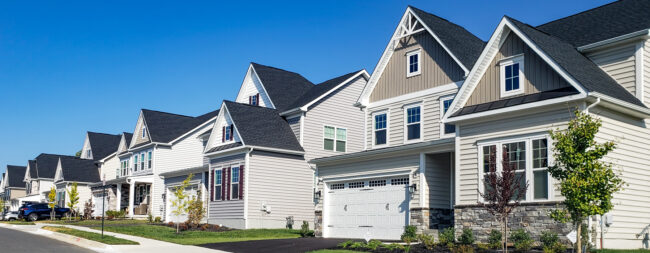
If your home is part of a development where many houses were built or re-roofed around the same time, sometimes your neighbors can help. Previous owners may also remember the approximate year. While this method gives you an estimate rather than an exact date, it narrows the range quite a bit.
Step 4: Inspect Shingles for Signs of Aging
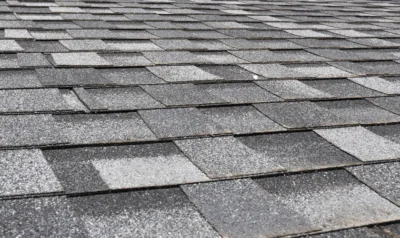
The physical condition reveals a lot about how old your roof is. You can perform a ground-level visual assessment safely without climbing onto your roof. Here’s what to look for at different stages of aging:
- 5–10 years: Shingles lie flat with minimal granule loss. Color remains relatively uniform. Flashing and sealant appear intact.
- 10–15 years: Noticeable granule accumulation in gutters. Minor curling at shingle edges begins. Some discoloration or algae streaks may appear.
- 15–20 years: Visible curling, cupping, or cracking across multiple shingles. Bare spots where granules have worn away. Flashing shows rust or separation.
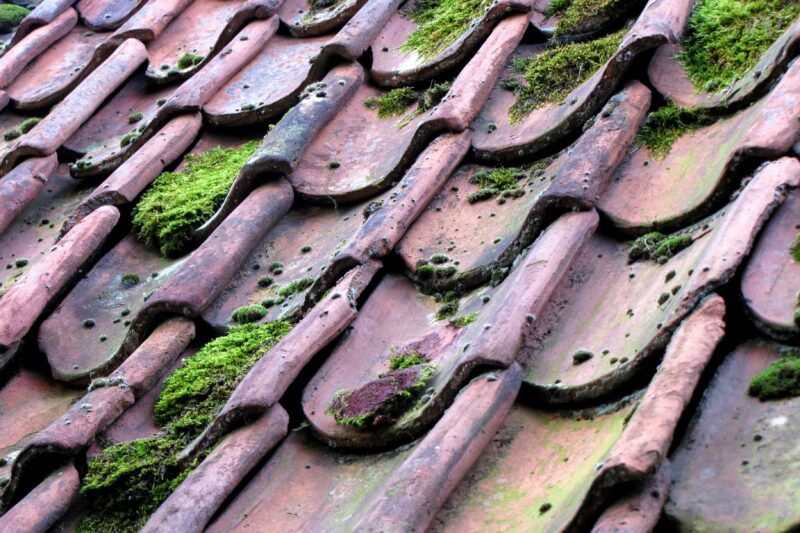
- 20+ years: Widespread deterioration including missing shingles, exposed roof mat, sagging areas, and moss or lichen growth. If you have the most common roof type, understanding how long shingle roofs last helps you gauge remaining useful life.
Step 5: Schedule a Professional Roof Inspection
When paperwork and visual clues fall short, a qualified roofer can also make an accurate assessment. A professional inspector evaluates shingle wear patterns, decking condition from the attic, and flashing integrity. They can also identify issues you might miss from the ground, and they can detect early signs of roof leaks that signal advanced aging.
A professional inspection is especially important when your insurer has asked for documentation. Many providers will not accept a homeowner’s self-assessment for underwriting purposes, so a licensed roofer’s written report serves as credible proof of your roof’s approximate age and current condition.
What to Do When You Can’t Prove Your Roof’s Age
Sometimes the paper trail just doesn’t exist, especially with older homes that have changed hands multiple times. In these cases, insurers generally accept a combination of supporting evidence. You’ll need to gather what you can, like a signed statement from the previous owner, a roofer’s condition letter, or dated photos from prior listings.
Knowing how long a roof lasts based on its material helps you and your insurer establish a reasonable age range. For instance, if your home was built in 2005 with standard architectural shingles and no permit records show a replacement, the original roof is likely still in place. Combine that with a visual inspection, and you have an estimate. Knowing how long a roof warranty lasts may also help you trace the timeline if warranty paperwork surfaces.
Take Control of Your Roof’s Future
Knowing how old your roof is will put you in a stronger position when negotiating with an insurance provider or preparing to list your home. Start with your records and check local permits. Then assess the visual condition and bring in a professional when you need documentation that holds up.
If you don’t know the age of your roof or you suspect it may be nearing the end of its lifespan, Home Genius Exteriors offers free roof inspections that include a detailed condition report. As an Owens Corning Platinum Preferred Contractor, we provide the documentation homeowners and insurers need, backed by industry-leading warranties. Get in touch for a free inspection and estimate so you know exactly where your roof stands.
Frequently Asked Questions
How can I estimate my roof’s age if it has multiple layers of shingles?
Multiple layers can make the roof appear newer than it is, since the top layer may hide older wear patterns. A roofer can confirm whether the roof is layered and estimate the age of the underlying system by checking edges, penetrations, and other clues from the attic.
Can satellite imagery or Google Street View help determine my roof’s age?
Yes, historical imagery can sometimes show a visible change in roof color, texture, or other features like new vents that suggest a replacement timeframe. Treat it as supporting evidence, since image dates and resolution may not be precise enough for official documentation.
What details should I photograph if I need to document my roof’s condition for an insurance company?
Capture wide shots of each roof plane and close-ups of key areas like valleys, flashing, and vents. You should also photograph chimneys and any visible damage.
Do different roofing materials require different approaches to estimating age?
Yes, materials like asphalt, metal, and tile age in distinct ways, so the visual cues and failure patterns differ. When you aren’t 100% sure about your roof’s material type, a contractor can identify it and tailor the age estimate to that system’s typical wear characteristics.
How do I verify a contractor’s claim about when the roof was installed if I wasn’t the one who hired them?
Ask for the original invoice, warranty registration, or permit number tied to your address. You can also call the manufacturer with the shingle or roofing system information to confirm whether a warranty was registered and when.
Will a roof certification letter help during a home sale, and what should it include?
A roof certification can reduce buyer uncertainty by providing a professional, written summary of condition and an estimated remaining service life. It should include the inspector’s license details, the inspection date, photos, and any recommended repairs.
What maintenance habits make it easier to prove roof history in the future?
Create a file that includes annual photos, repair invoices, and any warranty information. Storing everything digitally in one folder with dates makes future insurance, resale, and roof replacement planning much easier.