Gable Roofs: Types, Benefits, and Installation Guide
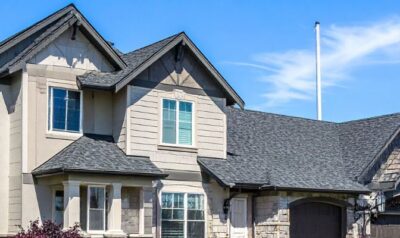
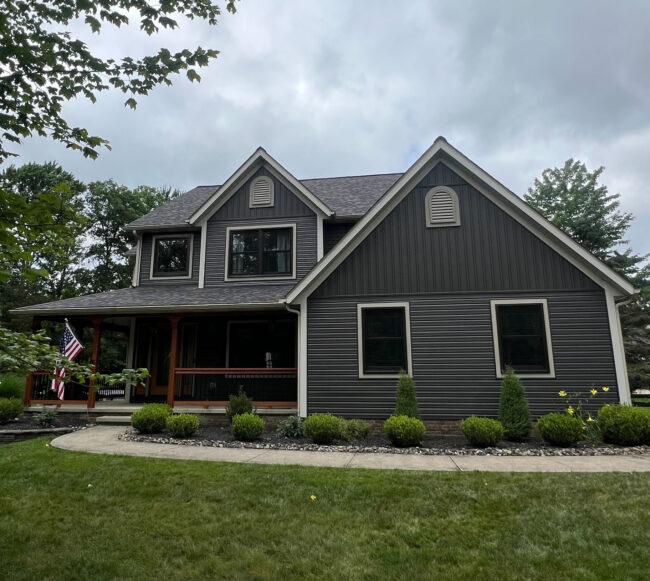
A gable roof is the shape most people sketch when they draw a house: two sloping sides meet at a central ridge, forming a triangular wall section at each end. The design has dominated residential construction for centuries, and it remains one of the most common roof profiles across North America, Europe, and beyond.
Whether you’re building from scratch or planning work on an existing gable roof, knowing how this classic style performs will help you move forward with confidence.
What Is a Gable Roof?
A gable roof consists of two flat planes that slope downward from a shared ridge beam. The triangular vertical section created at each end of the roof is called the gable end. This geometry makes gable roofs easier to frame than more complex profiles, which is one reason they remain the go-to choice for builders and homeowners alike.
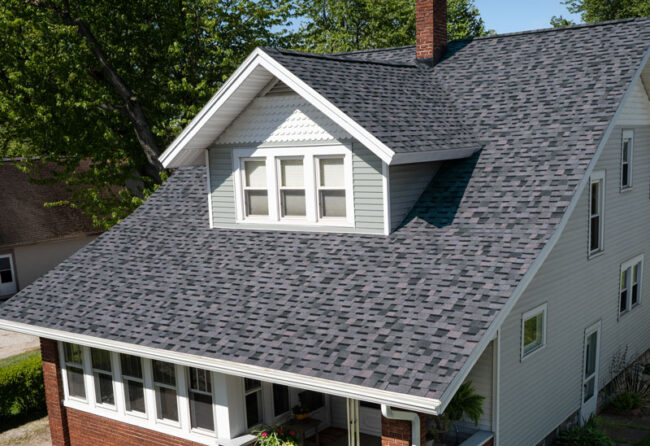
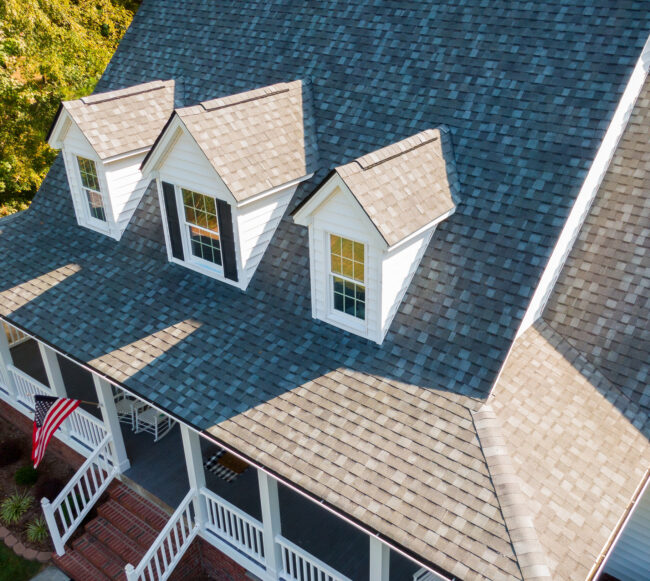
Don’t confuse a gable roof with a gable dormer, which is a smaller structure (usually containing a window) that projects from the main roof.
Parts of a Gable Roof
Knowing the basic components will help you communicate with contractors and understand inspection reports. Here are the elements that make up gable roof construction:
- Ridge: The horizontal peak where both roof planes meet.
- Eaves: The lower edges of each slope that overhang the exterior walls, directing water away from siding and foundations.
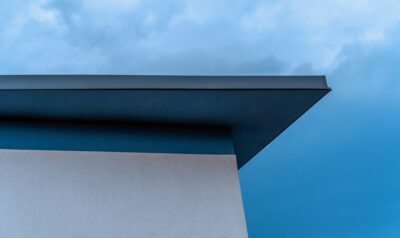
- Rake: The sloped edge running from the eave to the ridge along the gable end.
- Soffit and fascia: The enclosed underside of the overhang (soffit) and the vertical trim board (fascia) that protect rafter tails and support gutters.
- Gable vent: A ventilation opening near the peak of the gable end that allows hot air to escape the attic.
Because water and snow follow a straight path down each slope, gable roofs shed moisture well. A steeper pitch accelerates drainage, while overhangs keep rain from contacting walls directly. This inherent efficiency is one reason the design has persisted since ancient Greek temple architecture and Northern European timber-frame construction.
Gable Roof Design Variations
The term “gable roof” covers more ground than a single A-frame silhouette. Builders have adapted the basic triangle into several configurations, each suited to different architectural styles and functional needs:
- Front gable roofs position the gable end above the main entrance, creating a classic Colonial or Cape Cod look.
- Side gable roofs run the ridge parallel to the front of the house, which is the most common layout for ranch-style and traditional homes.
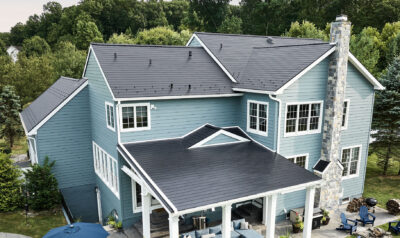
- A cross gable uses two or more gable sections set at right angles, adding dimension and allowing L-shaped or T-shaped floor plans.
- A Dutch gable (also called a gablet roof) places a small gable on top of a hip roof, combining the attic ventilation of a gable with the wind resistance of a hip.
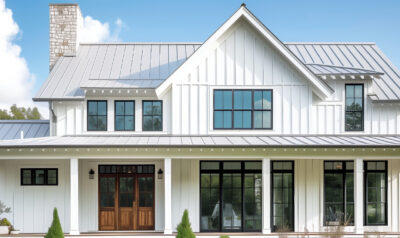
- A box gable extends the triangular end wall outward from the main structure and encloses it, creating a more pronounced, three-dimensional look often seen on Craftsman and modern farmhouse designs.
Each variation affects cost, structural complexity, and curb appeal differently. If you’re exploring different profiles, comparing roofing options side by side can help you narrow the field before requesting contractor bids.
Why Gable Roofs are So Popular
Gable roofs wouldn’t dominate residential construction if they didn’t come with major advantages. Here’s where this design earns its reputation:
Cheaper and Simpler Framing
The two-plane geometry requires fewer materials and less labor than multi-plane designs (like hip, mansard, or gambrel roofs). Combined with the affordability of asphalt shingles, which work well on the gable shape, it’s no surprise that the gable roof is one of the most budget-friendly options available.
Good Ventilation, Drainage, and Usable Attic Space
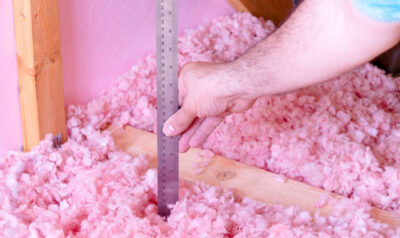
Steep slopes channel rain and snow quickly, reducing the chance of standing water and ice dams when paired with proper insulation. The open triangular attic cavity naturally promotes airflow, especially when ridge vents and soffit vents work together to create continuous ventilation. This helps regulate attic temperatures, lowers HVAC load in summer, and extends shingle lifespan by reducing heat buildup.
That same attic cavity offers practical storage or even living space. Many homeowners convert gable attics into bedrooms or home offices, adding square footage without expanding the home’s footprint. The higher the gable’s pitch, the more usable headroom you gain.
Limitations of Gable Roofs
No roof style is perfect, and gable roofs carry a few vulnerabilities of their own. Wind resistance is the most significant concern. The flat gable end wall acts like a sail in high winds, making the structure susceptible to uplift and even collapse during hurricanes or severe storms. Coastal and hurricane-prone regions often require hurricane straps, additional bracing, and specific gable-end sheathing to meet local building codes.
Cross-gable configurations add valleys where two roof planes intersect, and those valleys are common leak points if flashing deteriorates. Additionally, overhanging eaves on gable roofs can develop ice dams in heavy-snow regions when insulation or ventilation is inadequate. Proper attic insulation and balanced ventilation systems mitigate this risk, but they add to upfront costs.
Gable Roofs vs. Hip, Flat, and Mansard Styles
Choosing between the different types of roofs means balancing aesthetics, budget, climate, and structural needs. The table below provides a quick reference for the most common comparisons between roof shapes.
| Factor | Gable Roof | Hip Roof | Flat Roof | Mansard Roof |
|---|---|---|---|---|
| Cost | Lower (simple framing) | Moderate (more rafters) | Lower materials, higher maintenance | Higher (complex design) |
| Wind Resistance | Moderate; gable end vulnerable | Strong; slopes on all sides | Low profile reduces uplift | Moderate |
| Snow/Rain Drainage | Excellent at steeper pitches | Good; four slopes shed water | Poor; relies on internal drains | Good on upper slopes |
| Attic/Living Space | Generous triangular cavity | Reduced by inward slopes | None (flat ceiling) | Full upper story possible |
| Curb Appeal | Classic, versatile | Elegant, balanced | Modern, minimalist | Ornate, European |
Hip roofs outperform gable roofs in hurricane zones thanks to their all-sided slope that reduces wind load, but they cost more and shrink available attic space. Flat roofs suit contemporary architecture but need vigilant waterproofing.
If you don’t currently have a gable roof, but you’re designing a new build or considering a total roof replacement and reworking of your current home’s structure, there are even more factors to consider if this style is right for you.
The Best (and Worst) Climates for a Gable Roof
Your local weather patterns should heavily influence your design decision, especially regarding pitch and reinforcement.
In cold, snowy climates, a pitch of 9:12 or steeper helps snow slide off before excessive weight builds up. Balanced soffit-to-ridge ventilation prevents warm attic air from melting snow unevenly, which is the root cause of ice dams.
In hot, arid climates, a moderate pitch (4:12 to 6:12) combined with reflective or “cool” roofing materials reduces heat absorption and keeps cooling costs down.
Gable roofs aren’t well suited to high-wind and coastal regions. Local codes in states like Florida and Texas may require engineered gable-end bracing, hurricane clips at every rafter-to-wall connection, and impact-rated shingles or standing-seam metal panels. If you live in one of these areas and don’t currently have a gable roof, you may want to consider a different style. A hip roof is safest in a hurricane zone and having one can even decrease your insurance premiums.
Is a Gable Roof Right for Your Home?
Choosing a roof isn’t just about aesthetics. It’s a structural and financial decision that affects your home’s comfort, durability, and resale value. A gable roof is a great choice in many situations, especially when you match the right pitch, materials, and reinforcement to your specific region.
Start by evaluating your local climate risks, attic space goals, and architectural style. Then consult a contractor who can assess your home’s framing and recommend the ideal configuration. Home Genius Exteriors, an Owens Corning Platinum Preferred Contractor, provides comprehensive roofing services backed by warranties covering both labor and materials. Our team can walk you through every detail, from pitch selection and ventilation design to material options and code compliance.
Your roof protects everything beneath it. Make the smart choice by pairing a classic gable design with expert installation. Call Home Genius Exteriors today for a free inspection and estimate, and take the first step toward a roof built to last.
Frequently Asked Questions
What maintenance helps a gable roof last longer?
Schedule periodic inspections to catch small issues early, then keep gutters clean so water doesn’t back up under the roof edge. After major storms, check for loose materials, damaged flashing, and debris that can trap moisture.
How do I choose the best roofing material for a gable roof?
Compare lifespan, weight, noise, fire rating, and how the material performs under your local weather conditions. Your contractor can confirm whether your framing can support heavier options and recommend underlayment details that match the material.
Do gable roofs work well with solar panels?
Yes. They’re often a good match because the large, uninterrupted planes can provide clean mounting areas. Before installing, confirm the roof’s age, rafter spacing, and orientation to reduce the chance of future removal and reinstallation costs.
What interior design challenges come with gable roof attic conversions?
Sloped ceilings can limit furniture placement and reduce usable wall space, so built-ins and dormers are common solutions. You’ll also want to plan electrical runs, HVAC, and egress requirements early to avoid having to pay to redo the work later.
How can I improve sound insulation under a gable roof?
Use a combination of dense insulation, sealed air gaps, and roof decking upgrades to reduce rain and wind noise. In finished spaces, resilient channels or acoustic drywall can further limit sound transfer.
What permits or inspections do I need for a gable roof replacement?
Many jurisdictions require a building permit, plus inspections for sheathing condition, flashing, and ventilation before final sign-off. Your roofing contractor usually pulls the permit, but homeowners should make sure it’s issued and closed properly for resale records.
How does a gable roof affect home insurance and warranties?
Insurers may consider roof age, material rating, and wind mitigation features when pricing premiums and deductibles. In hurricane zones, you may pay more for insurance if you have a gable roof. For warranties, keep documentation, register products when required, and follow ventilation and installation specifications so you don’t void your coverage.