Flat Roofs vs. Pitched Roofs
Deciding between a flat roof and a pitched roof is one of the biggest choices you’ll make for any building project. Your roof selection will impact everything from upfront costs and long-term maintenance to energy efficiency and curb appeal.
Too often, property owners default to whatever their contractor recommends without fully understanding the trade-offs. We’ll break down both roof types with honest pros and cons, realistic cost figures, and a clear decision framework so you can choose with confidence.
Flat Roof Pros And Cons
A flat roof isn’t actually flat. It has a slight pitch, usually between 1/4 and 1/2 inch per foot, to help water drain. Modern flat roof systems use advanced membranes like EPDM rubber, TPO, and modified bitumen, which have dramatically improved performance over old tar-and-gravel methods.
Where a Flat Roof Excels
Affordability: The biggest advantage of a flat roof is cost. A flat roof requires fewer materials and less labor than a pitched roof. For budget-conscious projects like commercial buildings or home extensions, a flat roof installation typically costs $4 to $10 per square foot, compared to $7 to $15+ for pitched designs.
More space: Usable space is another major plus. A flat roof creates a platform for HVAC units, solar panels, or even rooftop gardens. Solar panels can perform best on flat surfaces because installers can angle them at the optimal tilt without fighting the roof’s slope.
Easier access: Accessibility makes inspections, gutter cleaning, and minor repairs much easier and safer.
Where a Flat Roof Strikes Out
Drainage: Without a steep slope to whisk water away, a flat roof relies on internal drains or scuppers to prevent ponding. Neglected drainage can lead to leaks and membrane deterioration, and in severe cases, structural damage from the weight of standing water.
A shorter lifespan: Most flat roof membranes last between 15 and 25 years, depending on the material and maintenance quality, while pitched roofing materials often exceed 30 years.
Pitched Roof Strengths and Limitations
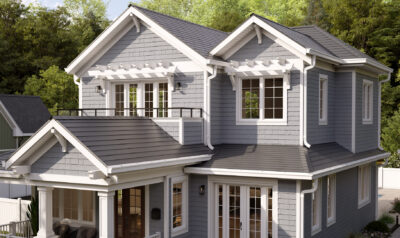
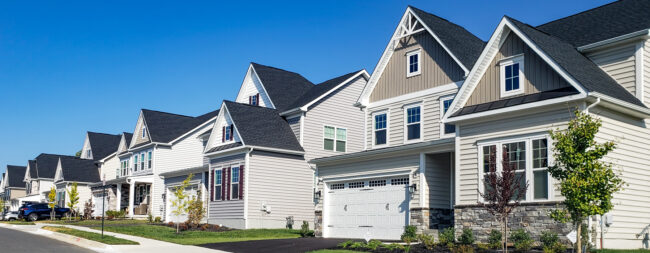
Pitched roofs feature slopes of 3:12 or steeper and come in many styles, from simple gables to complex mansard designs. They dominate residential construction across the U.S. for several practical and aesthetic reasons.
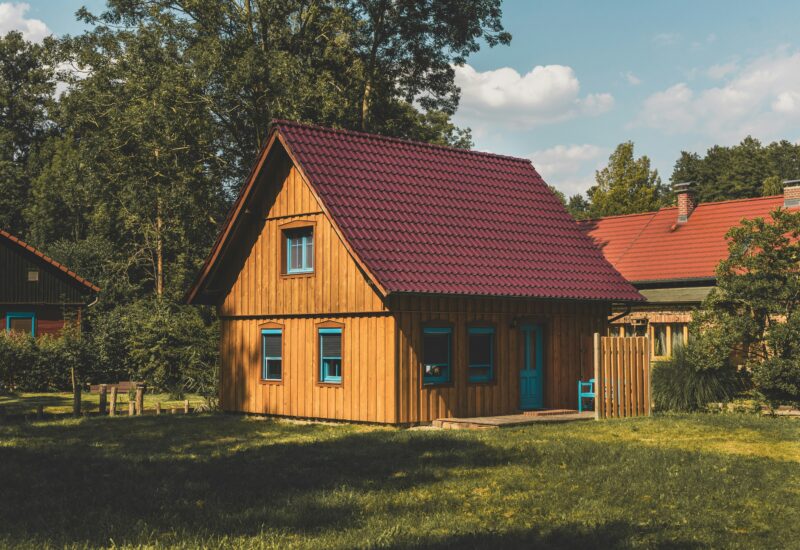
Why Pitched Roofs Are the National Standard
Excellent drainage: Rain, snow, and debris slide off naturally, which dramatically reduces leak risk and minimizes maintenance. In regions with heavy snowfall or frequent storms, pitched roofs handle weather stress far more reliably.
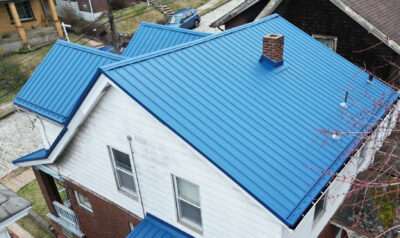
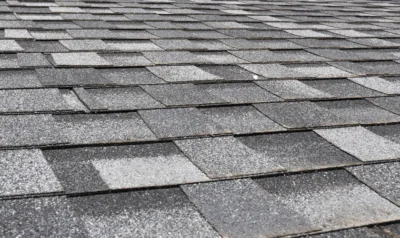
A long lifespan: Asphalt shingles, the most common material, last 20 to 30 years. Premium materials push that timeline much further. A metal roof, for instance, can last 50 years or more. If you’re evaluating premium options, a look at the pros and cons of metal roofing reveals why so many homeowners are upgrading.
Attics and storage space: The triangular void beneath a pitched roof provides natural ventilation, insulation benefits, and potential living space. This extra square footage can add significant resale value to your home.
Where Pitched Roofs Fall Short
Higher construction costs: The added framing and materials required to build a pitched roof typically push installation costs 20 to 30 percent above a comparable flat roof project. Complex designs with multiple valleys and dormers increase expenses even further.
Harder to access and maintain: Working on steep slopes requires safety measures and experienced crews. Even routine inspections cost more because of these accessibility challenges. When comparing options, understanding the differences between composite shingles vs asphalt shingles can help you select a material that minimizes long-term upkeep.
Compare Flat Roofs vs. Pitched Roofs
The upfront cost tells only part of the story. A metal roof is more cost-effective than a roof with asphalt shingles, and it should be pitched for reduced maintenance. Even with a higher upfront cost, a pitched metal roof provides better value over time.
Choosing the Right Roof for Your Climate
Your local climate plays a huge role in which roof type performs best. Heavy snow regions favor pitched roofs because accumulated snow slides off before reaching dangerous weights. A flat roof in a snowy area needs a reinforced structure and constant snow removal, adding ongoing cost and effort.
In hot, arid climates, a flat roof paired with reflective cool-roof membranes can significantly reduce cooling costs. Coastal and high-wind zones benefit from low-profile, hip-style pitched roofs that resist uplift forces. Homeowners looking at roofing for coastal homes should also consider how their roofing material handles salt air.
Flat Roofs vs. Pitched Roofs: Which One Is Best For You?
Think about your project goals. Building a modern extension where usable roof area matters? A flat roof delivers more value. Planning a new home where curb appeal and resale value are top priorities? A pitched roof is the stronger choice.
Both flat and pitched roofs serve specific purposes well. The right decision depends on your budget, local climate, and long-term vision. What matters most is working with a contractor who understands both types of roof systems and can guide you honestly.
Home Genius Exteriors, an Owens Corning Platinum Preferred Contractor, specializes in helping homeowners navigate exactly this kind of decision. Our team evaluates your property, lifestyle and needs to recommend the roofing solution that delivers the best long-term value. Contact us today for a free inspection and estimate so you can move forward with total confidence.
Frequently Asked Questions
What building codes or permits should I consider when choosing flat roofs vs. pitched roofs?
Local codes can dictate minimum slope, wind ratings, and approved materials, which can narrow your options quickly. Before finalizing a design, confirm permitting requirements with your municipality and ask your roofer to document code compliance in the proposal.
How do insurance premiums and claim approvals differ between flat and pitched roofs?
Some insurers treat low-slope systems as higher risk for water intrusion, which can affect premiums and deductibles. Request a roof-specific quote update from your provider and make sure your installer can give you photos and documentation that support future claims.
Which roof type is better for adding skylights, roof windows, or daylighting features?
Pitched roofs often integrate skylights more cleanly because water sheds naturally around flashing. A flat roof can still support skylights, but you’ll need careful curb design and flashing to avoid pooling and reduce long-term leak potential.
How does roof shape affect interior comfort, acoustics, and noise from rain or hail?
Sound transmission depends more on insulation levels and roof decking than on roof shape alone. If noise is a concern, ask your contractor about upgraded insulation, resilient channels, and impact-rated roofing assemblies.
What should I look for in a workmanship warranty and manufacturer warranty for each roof type?
Focus on what is covered (labor vs. materials), transferability, and key exclusions like ponding water or improper drainage. A reputable contractor should explain the warranty terms in plain language and provide them in writing before you sign.
Can I switch from a flat roof to a pitched roof (or vice versa) during a remodel?
Yes, but it’s a major structural change that can impact framing, drainage, and permitting. Have a qualified contractor coordinate with an engineer or architect to confirm feasibility, budget impact, and the construction timeline.
How do I evaluate contractor bids for flat and pitched roofs to avoid apples-to-oranges comparisons?
Standardize bids by requiring the same scope, material grades, ventilation details, and warranty terms. Ask for a line-item breakdown and a written plan for how they’ll handle roof penetrations and water management rather than choosing the lowest price.