Fiber Cement Siding: Durability, Cost, and Maintenance Guide
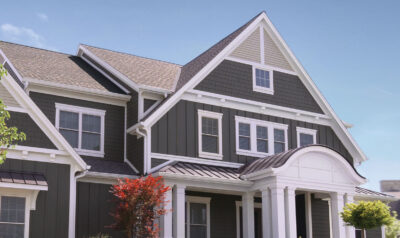
Choosing fiber cement siding for a house is one of the most consequential decisions a homeowner can make during an exterior remodel. The material you install today determines decades of curb appeal, energy performance, and maintenance costs, so getting it right the first time matters more than most people realize.
This guide breaks down everything you need to know: what fiber cement siding is made of, how long it actually lasts, what it costs compared to vinyl and wood, and how to maintain it so it reaches its full lifespan. Whether you’re replacing aging clapboards or choosing siding for a new build, you’ll walk away with a clear framework for making a confident decision.
What Fiber Cement Siding Is and How It’s Made
Fiber cement siding is a composite material made from Portland cement, silica sand, and cellulose fibers. These ingredients are combined with water, formed into planks or panels, and cured under high pressure. The result is a dense, rigid board that mimics the appearance of natural wood grain, smooth stucco, or even stone, depending on the profile.
The cellulose fibers act as reinforcement within the cement matrix, giving the boards flexibility and impact resistance they wouldn’t have otherwise. Unlike pure concrete, fiber cement won’t shatter on impact. And unlike wood, it won’t rot, warp, or attract termites.
Available Profiles and Design Options
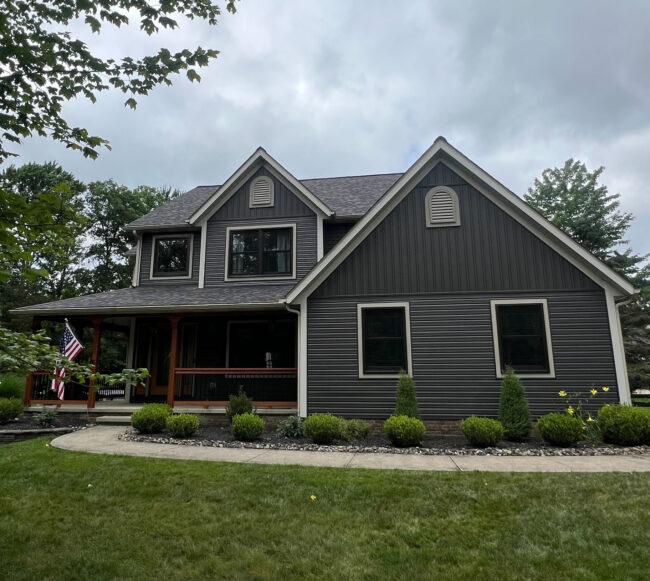
Fiber cement comes in several profiles that suit different architectural styles. Horizontal lap siding is the most popular, replicating the look of traditional wood clapboards. Vertical panels create a modern, clean aesthetic. Shingle-style panels work well for Cape Cod and coastal designs.
Color options have expanded significantly. Factory-applied finishes from major manufacturers like James Hardie, Nichiha, and Allura come pre-primed or pre-painted with baked-on color coatings that resist fading far longer than field-applied paint. Darker colors absorb more UV radiation, which means slightly more frequent repainting cycles in sunny climates, so factor that into your aesthetic choices.
How Long Does Fiber Cement Siding Last?
The standard industry answer is 25 to 40 years, and that’s conservative. Archive Market Research data shows a documented service life of 50-plus years with very limited repainting cycles and virtually no structural repairs. Compare that to vinyl’s 15-to-30-year window or wood’s 10-to-20-year effective lifespan (without aggressive maintenance), and the durability advantage becomes clear.
However, that 50-year number assumes proper installation and at least basic upkeep. Several factors directly influence how long your fiber cement siding will actually perform.
Factors That Shorten or Extend Lifespan
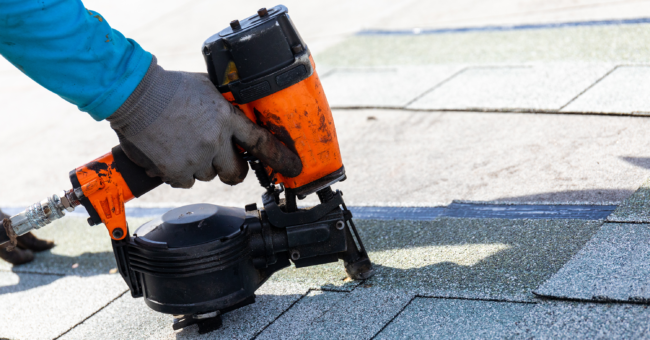
Installation quality is the single biggest variable. Fiber cement boards must maintain specific clearances from grade level, proper overlap distances, and correct fastener placement. Boards installed too close to the ground wick moisture and deteriorate. Incorrectly driven nails create stress fractures that propagate over freeze-thaw cycles.
Climate exposure plays a significant role as well. Homes in freeze-thaw regions face expansion and contraction stress on every board. Coastal properties deal with salt air that accelerates paint breakdown. High-UV environments in the South and Southwest push repainting schedules forward. According to a Los Angeles Times feature on high-performance building materials, homes using non-combustible claddings like fiber cement reported 10 to 15 percent lower maintenance spend over five years, particularly in wildfire-prone, tightly regulated markets like California.
Building design details also matter. Adequate roof overhangs protect siding from direct rain exposure. Proper flashing around windows and doors prevents water infiltration behind the boards. Correct integration with housewrap and a rainscreen gap allows any trapped moisture to escape, preserving the substrate and the siding itself.
Fiber Cement Siding Cost Breakdown and Comparison
Upfront cost is where many homeowners hesitate. Fiber cement materials typically run $5 to $12 per square foot installed, compared to $3 to $8 for vinyl and $6 to $14 for natural cedar. The labor premium is real: fiber cement boards are heavy (a 12-foot plank can weigh over 30 pounds), require specialized cutting tools that manage silica dust, and demand precise installation to maintain warranty coverage.
But purchase price tells only part of the story. A 2026 cost study from Data Insights Market modeled 30-year ownership scenarios and found that total ownership cost for fiber cement was 8 to 12 percent lower than vinyl and 18 to 25 percent lower than cedar, while boosting average resale value by 4 to 6 percent. The initial premium pays for itself within 10 to 12 years through dramatically lower repair and repainting expenses.
| Factor | Fiber Cement | Vinyl | Wood (Cedar) |
|---|---|---|---|
| Installed Cost (per sq ft) | $5–$12 | $3–$8 | $6–$14 |
| Expected Lifespan | 30–50+ years | 15–30 years | 10–20 years |
| Repaint Frequency | Every 12–15 years | N/A (color fades) | Every 3–7 years |
| Fire Resistance | Non-combustible | Melts, not fire-rated | Combustible |
| Pest Resistance | Immune | Immune | Vulnerable |
| 30-Year Total Cost | Lowest | Moderate | Highest |
With 58 percent of homeowners planning exterior improvements in the next year according to CivicScience data, more households are weighing these long-term value calculations seriously. The trend favors materials that deliver lower lifetime costs, even at a higher entry price.
If you’re comparing options side by side, our siding material comparison guide provides a deeper dive into each material’s strengths and weaknesses across different home styles and budgets.
Fiber Cement Siding Maintenance Checklist
One of fiber cement’s strongest selling points is its relatively low maintenance profile. But “low maintenance” doesn’t mean “no maintenance.” A consistent schedule protects your investment and ensures the siding reaches its full lifespan potential.
Annual and Seasonal Maintenance Tasks
Follow this schedule to keep your fiber cement siding in peak condition year after year:
- Twice yearly (spring and fall): Walk the perimeter and visually inspect for cracks, chips, gaps in caulk joints, and any boards pulling away from the wall.
- Annually: Clean siding with a garden hose and soft-bristle brush. Use a mild detergent for stubborn grime. Avoid pressure washers above 1,500 PSI, which can damage the surface and force water behind boards.
- Every 2–3 years: Re-caulk joints around windows, doors, and trim where sealant has cracked or pulled away.
- Every 12–15 years: Repaint with 100% acrylic latex paint. Factory-finished boards last longer between repaints than field-painted surfaces.
- As needed: Replace individual damaged boards immediately. Cracked boards let moisture reach the substrate, which accelerates deterioration.
Common Maintenance Mistakes to Avoid
The most frequent mistake homeowners make is over-aggressive pressure washing. High-pressure water strips the paint film, drives moisture into board edges, and creates micro-damage that leads to premature failure. Stick to low pressure and let detergent do the work.
Ignoring caulk failures is the second biggest problem. Caulk around trim, windows, and butt joints is your siding system’s first defense against bulk water intrusion. Once that seal breaks, moisture reaches the sheathing and framing underneath. Catching caulk failures early costs a few dollars in sealant. Missing them can cost thousands in structural repairs.
Installation Quality and Warranty Protection
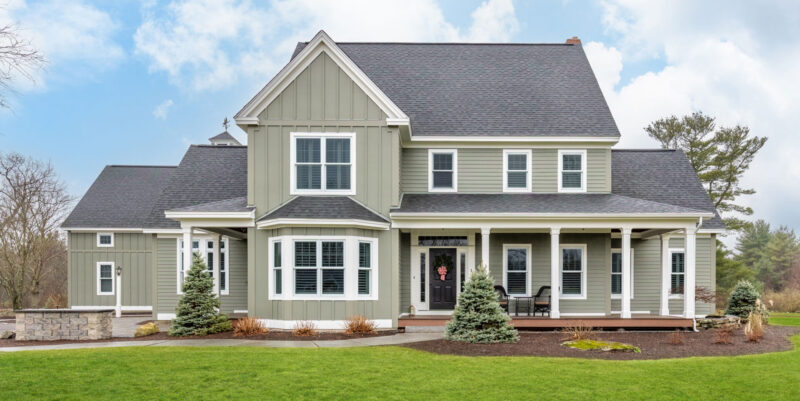
Fiber cement’s performance ceiling is high, but only certified, experienced installers consistently reach it. The boards are unforgiving of shortcuts. Incorrect nailing patterns void manufacturer warranties. Improper flashing details create hidden moisture problems that won’t surface for years. Cutting without dust control creates respirable silica hazards.
Major manufacturers tie their warranty coverage directly to adherence to published installation specifications. James Hardie’s 30-year non-prorated product warranty, for example, requires installation by a trained professional following their technical bulletin guidelines. DIY installation or work by general contractors unfamiliar with fiber cement often results in denied warranty claims.
This is exactly why working with a contractor who specializes in siding installation makes such a difference. Home Genius Exteriors brings manufacturer-certified expertise to every fiber cement project, ensuring each board is cut, fastened, and sealed to specification. That attention to detail protects your warranty and extends the real-world lifespan of your siding well beyond minimum expectations. Learn more about our professional siding installation process and how we protect your investment from day one.
Honest Pros, Cons, and Trade-Offs of Fiber Cement Siding
No material is perfect for every situation. Here’s a balanced look at where fiber cement excels and where it demands extra consideration.
Strengths:
- Non-combustible, earning the best fire resistance ratings among mainstream siding options
- Immune to termites, carpenter ants, and woodpeckers
- Holds paint significantly longer than wood (12–15 years vs. 3–7 years)
- Lowest 30-year total cost of ownership among major siding types
- Resists warping, swelling, and rot even in high-humidity climates
- Boosts resale value by 4–6 percent on average
Limitations:
- Heavy boards increase labor costs and require structural considerations for older homes
- Cutting produces silica dust, demanding proper safety equipment and technique
- Incorrect installation causes cracking, moisture damage, and voided warranties
- Higher upfront cost than vinyl (though lower lifetime cost)
- Cannot be installed as a DIY project without significant risk to warranty and performance
For most homeowners planning to stay in their home for 10 or more years, the strengths overwhelmingly outweigh the limitations. The upfront investment pays dividends in lower maintenance, better protection, and stronger resale positioning.
Protect Your Home With Siding That Lasts
Fiber cement siding delivers the rare combination of aesthetic versatility, structural resilience, and long-term value that few other materials can match. When installed correctly and maintained on a simple schedule, it protects your home for decades with minimal intervention.
The key is choosing a contractor who treats installation as a precision craft, not just a commodity job. Home Genius Exteriors specializes in expert fiber cement siding installation backed by comprehensive warranties covering both labor and materials. Call today for a free inspection and estimate, and discover why homeowners across our service area trust us to get it done right the first time.
Frequently Asked Questions
Q: Is fiber cement siding a good choice for humid, rainy, or coastal environments?
A: It can perform very well in wet climates when the wall assembly is designed to manage moisture, including proper flashing, ventilation details, and corrosion resistant fasteners. In coastal areas, plan for more frequent exterior cleaning and choose high quality coatings to help reduce salt and moisture related wear.
Q: How does fiber cement siding affect home energy efficiency?
A: Fiber cement itself is not an insulating material, so energy gains usually come from what is installed behind it, such as insulated sheathing, housewrap, and air sealing improvements. Ask your contractor about a continuous insulation approach and a drained wall system to improve comfort and reduce drafts.
Q: Can fiber cement siding be installed over existing siding, or does the old siding need to be removed?
A: Depending on the existing material, wall flatness, and moisture condition, installation may be possible over an existing layer, but full tear-off often provides the best chance to fix rot, improve air sealing, and correct flashing. A contractor should evaluate the substrate, fastening plan, and local code requirements before deciding.
Q: What should I look for in a contractor estimate for fiber cement siding?
A: A strong estimate itemizes tear-off, disposal, wall repairs, flashing and trim scope, moisture management details, and the specific product and finish system being used. It should also spell out warranty terms, cleanup practices, and how penetrations (lights, vents, hose bibs) will be sealed and finished.
Q: How do I choose between factory-finished and field-painted fiber cement?
A: Factory-finished boards typically offer more consistent color and faster installation timelines, while field painting can be better for custom colors or matching existing trim schemes. Your decision often comes down to color flexibility, project schedule, and the paint system your contractor prefers for long-term touch-ups.
Q: How does fiber cement compare to engineered wood siding?
A: Engineered wood is usually lighter and can be less expensive to install, but it may be more sensitive to prolonged moisture exposure if details are not executed perfectly. Fiber cement is a popular alternative when homeowners prioritize non-combustibility and long-term dimensional stability.
Q: What are the best ways to plan the project timeline and reduce disruption during installation?
A: Confirm lead times for materials and trim components, decide on color selections early, and schedule work during a stretch of predictable weather. You can also minimize disruption by discussing daily cleanup, parking and access, noise hours, and a clear plan for protecting landscaping and outdoor fixtures.