Does Homeowners Insurance Cover Roof Leaks?
Does Homeowners Insurance Cover Roof Leaks?
When a roof leak shows up as a stain on the ceiling or a drip during a storm, most homeowners have the same question: “Does my homeowners insurance cover this?” In many cases, homeowners insurance does cover roof leaks—but only when the damage is caused by a sudden and accidental event, such as wind, hail, or a fallen tree, and not from long-term wear or neglect.
Understanding how coverage works, what’s excluded, and what your insurer expects from you can help you avoid surprises at claim time. At Home Genius Exteriors, we pair that insurance awareness with expert roofing inspections and repairs so you can protect both your roof and your policy.
When a Roof Leak Is Usually Covered
Most standard homeowners insurance policies cover sudden, accidental damage caused by “covered perils” listed in your policy—things like windstorms, hail, lightning, or a tree limb crashing onto your roof. If the leak is a direct result of one of these events, your insurance will often help pay to repair both the roof and related interior damage.
Consumer resources such as the Insurance Information Institute and Bankrate’s guide to roof leak coverage explain that insurance typically responds when the event is unexpected and clearly documented.
Common situations that may be covered include:
- Shingles torn off in a windstorm, causing rain to enter the home
- Hail impact that cracks shingles or flashing
- A tree or large branch falling on the roof
- Ice dams that force water beneath shingles and into your home
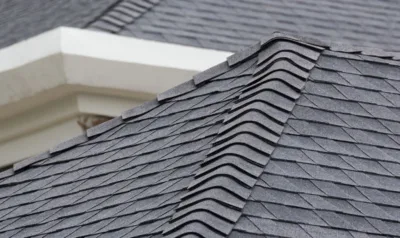
If your roof is nearing the end of its life, it’s a good idea to understand its typical lifespan before deciding whether to repair or plan for a full replacement. Resources like How Long Does a Roof Last? and How Long Do Shingle Roofs Last? can help you gauge whether your roof is simply at the natural end of its service life.

When Roof Leaks Are Not Covered
Insurance companies generally see slow leaks, deterioration, or neglect as maintenance issues—and those are not what homeowners insurance is designed to pay for. The Insurance Information Institute notes that gradual seepage or long-term water issues are typically excluded because they could have been prevented with regular upkeep.
Your roof leak may not be covered if:
- The leak developed gradually from worn, curling, or missing shingles
- Gutters have been clogged for months, allowing water to back up under shingles
- Flashing or vent boots have been cracked for a long period
- There is evidence of long-term moisture, mold, or rot that wasn’t addressed
- The roof is significantly past its expected lifespan and in poor condition
Standard homeowners policies also do not cover flood damage, and earthquake-related issues typically require separate coverage or endorsements. The National Association of Insurance Commissioners (NAIC) offers consumer guides that explain what typical home policies cover—and what they don’t—so you can better understand your own policy.
If inspection reveals widespread aging or structural damage, it may be time to compare repair vs. replacement. Home Genius has several resources to help you think through that decision, including Roof Repair vs. Replacement and Reroofing vs Roof Replacement.
What Parts of the Damage Does Insurance Cover?
When a roof leak is covered, your policy may help with several types of costs:
- Roof surface repairs
Fixing the damaged shingles, tiles, or metal panels that allowed water in. - Flashing and roof penetrations
Repairing compromised flashing around chimneys, vents, or skylights. - Interior damage
Drywall, insulation, paint, and sometimes flooring damaged by the water intrusion. - Additional living expenses (ALE)
If your home is uninhabitable during repairs, many policies help with hotel stays and other temporary living costs.
The exact coverage and limits depend on your policy type, deductibles, endorsements, and roof age. To get a sense of how insurers approach these situations, you can review industry explanations from companies like GEICO or Kin that break down when roof leaks are covered and when they’re excluded.
Factors That Affect Roof Leak Coverage
Even when a leak involves a covered peril, several factors influence what your insurer will pay:
- Age of the roof
Older roofs may only be covered on an actual cash value basis, which subtracts depreciation. - Roofing materials
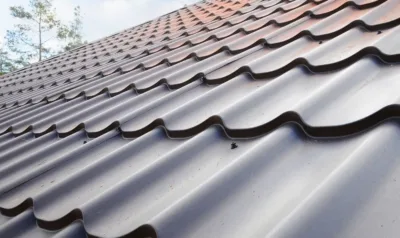
Different materials have different expected lifespans and performance. Home Genius offers education on options such as architectural shingles, metal roofing, and 3-tab shingles so you can choose a product that fits your long-term goals. - Maintenance history
Insurers may ask if you’ve kept up with routine roof care. The Roof Inspection Made Easy: 6 Tips to Prepare Your Roof for Summer article outlines practical ways to stay ahead of problems. External resources like the Insurance Institute for Business & Home Safety also stress that well-maintained roofs experience significantly less damage during severe weather. - Regional weather and building codes
In storm-prone areas, insurers may factor in local risk and code requirements. Guides such as Best Roofing for South Carolina Homes and What Is the Best Roofing for Ohio Homes? highlight material choices that can align better with both climate and long-term performance.
To better understand policy terms and coverage options, you can also explore the NAIC’s Consumer’s Guide to Home Insurance, which explains deductibles, exclusions, and coverage types in plain language.
How to File a Roof Leak Insurance Claim
If you believe your roof leak stems from a covered event, it’s important to move quickly and document everything.
Steps to Take:
- Limit further damage
Place buckets under active drips, move furniture, and—if safe—cover the damaged area with a tarp. Temporary protection is part of your obligation under most policies. - Document the damage
Take clear photos and videos of the roof, attic, and interior. Capture the cause (like a broken branch) if possible. - Review your policy
Look for your policy’s “covered perils,” roof coverage type (replacement cost vs. actual cash value), and your deductible. - Contact your insurer promptly
Report the claim through your carrier’s app, website, or phone line. They’ll explain next steps and assign an adjuster. - Schedule a professional inspection
Having a trusted roofing contractor inspect the roof can help you understand the full scope of damage. If you’re in one of Home Genius’s service areas, you can request an inspection through local pages such as Pittsburgh Roofing Repair, Raleigh Roofing Repair, or the broader roofing contractors in Pennsylvania page.
If a major disaster is involved and your claim is partially denied or doesn’t fully cover essential repairs, you may also want to explore federal assistance programs like FEMA’s Individuals and Households Program, which can sometimes help eligible homeowners address critical home repairs after presidentially declared disasters.
Repair vs. Replacement After a Leak
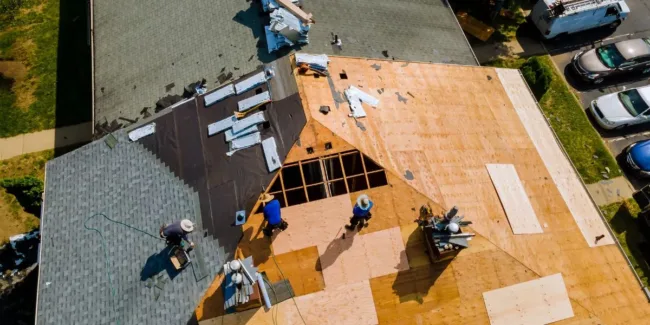
Insurance coverage answers who pays, but you still need to decide the level of repair your roof needs. If your roof is in otherwise good shape, sectional repair may be enough. See Can You Repair Just a Section of a Roof? for details.
If your roof shows multiple signs of age—curling shingles, granule loss, widespread moisture—a full replacement is often the safer investment. Guides such as Roof Repair vs. Replacement and Best Time for Roof Replacement in PA can help you make a confident decision. Considering an upgrade? Explore shingle roofing or metal roofing options for increased durability and lifespan.
How Home Genius Exteriors Helps You Navigate Roof Leaks & Insurance
Dealing with a roof leak is stressful enough without having to decode insurance language on your own. Home Genius Exteriors helps simplify the process by:
- Providing thorough roof inspections that clearly document what caused the damage
- Offering honest recommendations on repair vs replacement, backed by decades of experience
- Using high-quality materials, including Owens Corning® architectural shingles, for long-term performance
- Coordinating with homeowners during the insurance process so you understand each step
You can learn more about our story and values on Our Story and see what other homeowners are saying on the Reviews & Awards page. When you’re ready to take the next step, you can contact us directly or explore locations near you to connect with your local Home Genius team.