What Is a Cool Roof and How Does It Save Homeowners Money?
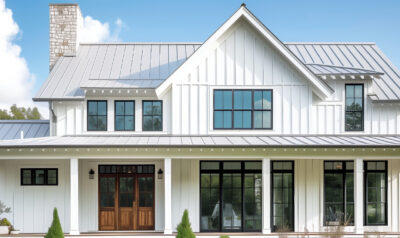
A cool roof reflects more sunlight and absorbs less heat than a standard roofing system, and that one difference can transform the way your home handles summer temperatures. While most conventional roofs trap solar energy and radiate it into your attic and living spaces, cool roofs bounce a significant portion of that energy back into the atmosphere before it ever warms your home.
This type of roof can save you thousands of dollars over its lifetime. This guide breaks down the tech, compares your material options, walks through a realistic cost-benefit analysis, and helps you decide whether a cool roof is the best option for your home.
What Is a Cool Roof and How Does It Work?
A cool roof is a roofing system engineered to reflect a higher percentage of solar radiation and release absorbed heat more efficiently than a traditional roof. You can define its performance with two properties:
- Solar reflectance (how much sunlight the surface bounces back): Think of it as a mirror effect. The higher a roof’s solar reflectance value, the more sunlight it sends back before converting to heat.
- Thermal emittance (how quickly the surface releases heat it does absorb): Emittance measures how efficiently the roof radiates whatever heat it does absorb. A roof with high emittance cools down faster once the sun sets or cloud cover moves in.
Together, these determine the roof’s Solar Reflectance Index (SRI), a score that tells you how cool a surface stays under direct sun.
The best cool roof materials score high on both metrics. A bright white single-ply membrane, for example, might reflect 80% of solar energy and emit 90% of what it absorbs. Even cool-toned products designed to look like traditional shingles or tiles can achieve better reflectance than their conventional counterparts by using specially engineered pigments that reflect infrared radiation.
Standard dark-colored asphalt shingles typically reflect only 5–15% of incoming solar energy. A cool roof product, on the other hand, reflects 25% or more on steep roofs and often 65% or higher on low-slope commercial membranes. That gap translates directly into lower roof surface temperatures, sometimes by 50°F or more on a hot afternoon.
Cool Roof Materials
Cool roofing technology spans multiple product categories. Your ideal material depends on roof slope, budget, aesthetic preferences, and whether you’re replacing an existing roof or coating one.
Single-ply membranes (TPO and PVC) dominate low-slope and flat roof applications. They offer the highest reflectance values, typically 70–85%, and last 20–30 years. Cool roof coatings provide a budget-friendly retrofit option. Applied as a liquid over an existing roof surface, elastomeric or acrylic coatings add reflectivity to aging roofs without a full tear-off, making them popular for both residential and commercial buildings.
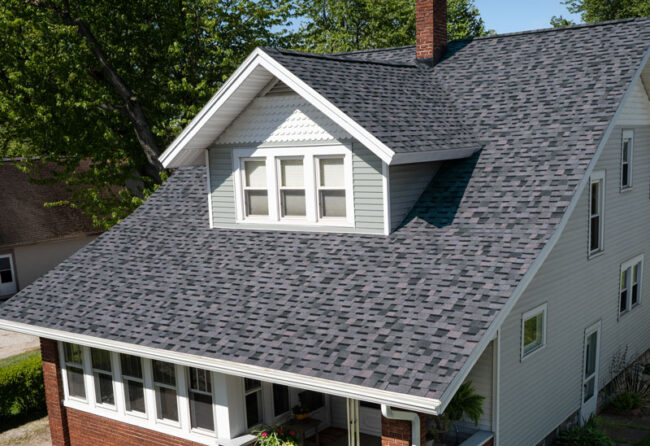
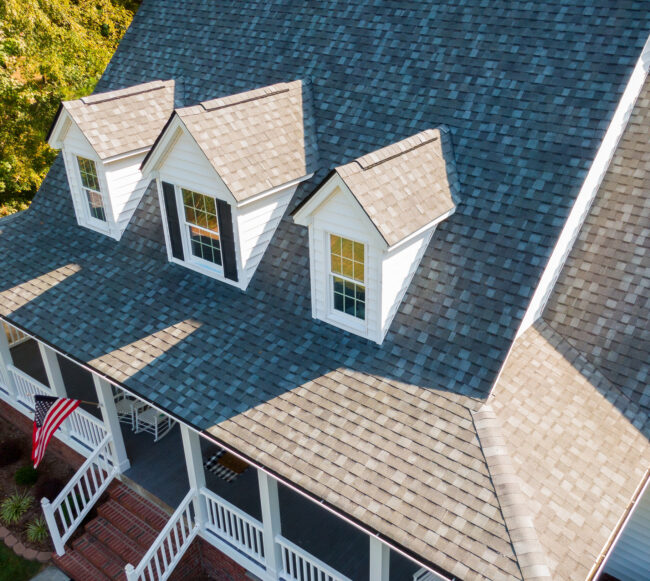
Metal roofing with factory-applied cool pigments delivers exceptional durability alongside strong reflectance, especially in lighter colors. Many metal panels carry ENERGY STAR ratings and last 40–60 years with minimal maintenance. For homeowners who want a traditional look, cool asphalt shingles use infrared-reflective granules to achieve higher SRI values while maintaining familiar curb appeal. Clay and concrete tiles naturally offer moderate reflectance and high thermal mass, and manufacturers now produce cool-rated versions in a wide palette of colors.
When evaluating products, look for a high-performance roofing system that carries a Cool Roof Rating Council (CRRC) listing or ENERGY STAR certification. These third-party ratings verify performance claims so you can compare products fairly.
How Much Money Can You Save With a Cool Roof?
One benefit to installing a cool roof is how much you can save in air conditioning costs, especially in warmer climates. When your roof reflects solar energy instead of absorbing it, your HVAC system runs less often and works less hard during peak demand hours.
Buildings with cool roofs can save $0.07–$0.10 per square foot annually in cooling costs and reduce peak electricity demand by up to 20%. For a 2,000-square-foot home, that translates to about $140–$200 in savings per year. Over a 25-year roof lifespan, cumulative savings reach $3,500–$5,000 before factoring in reduced HVAC wear, potential rebate programs, and lower utility charges during times of peak demand.
Is it worth paying more for a cool roof?
Cool roof products typically cost 10–20% more than the average roofing material. A cool-rated asphalt shingle might add $0.10–$0.20 per square foot compared to a standard shingle, while a reflective coating runs $0.75–$1.50 per square foot. Metal and single-ply membrane options come with a higher upfront price but deliver longer service lives that improve their total cost of ownership.
Many utility companies and municipalities offer rebates or incentive programs for cool roof installations. Check the Database of State Incentives for Renewables and Efficiency (DSIRE) for programs near you. When you combine lower energy bills, incentive savings, and extended roof lifespan from reduced thermal cycling, many homeowners in warm climates recoup the premium within a decade or so.
Environmental Impacts of a Cool Roof
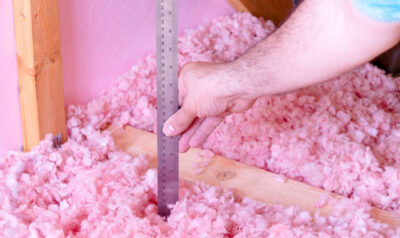
Cool roofs deliver the greatest return in hot-dry and hot-humid climates where air conditioning drives a substantial share of household energy costs. Cities like Phoenix, Houston, Miami, and Las Vegas have ideal environments. In mixed climates, the summer cooling benefit typically outweighs any modest winter heating penalty, especially if your home has adequate attic insulation and air sealing.
In cooler climates, a highly reflective roof can reduce beneficial solar heat gain during winter months, potentially increasing heating costs. However, because snow cover already reflects sunlight during the coldest months and heating loads depend heavily on insulation quality, the net impact is small. Homeowners in northern regions should prioritize insulation upgrades and consider cool-colored products that balance moderate reflectance with aesthetic preferences.
Beyond individual savings, widespread adoption of cool roofs can reduce the urban heat island effect, where dense concentrations of dark roofs and pavement raise city temperatures several degrees above surrounding rural areas. Lower ambient temperatures reduce community-wide energy demand, improve outdoor air quality, and decrease heat-related health risks.
Cool roofs also lower a home’s carbon footprint by reducing electricity consumption tied to fossil fuel generation. For homeowners looking into energy-efficient exterior upgrades, combining a cool roof with upgraded windows and properly insulated siding creates a building envelope that performs well year-round.
Cool Roof Installation and Maintenance
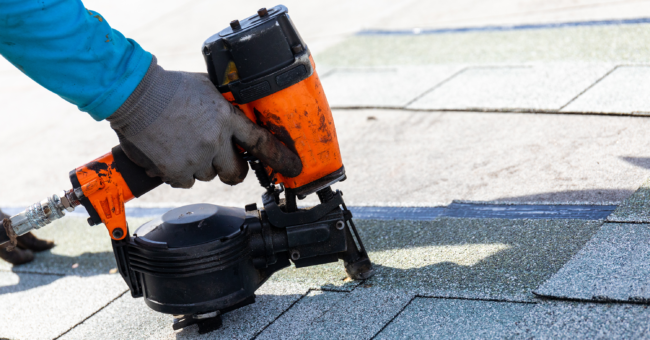
Installing a cool roof follows the same general process as any quality roofing project. An experienced and licensed contractor assesses the existing deck and substrate, removes old materials (or prepares the surface for a coating application), and installs the new cool roof system according to manufacturer specifications. The key difference lies in product selection and making sure the installer understands CRRC ratings and proper application techniques for reflective materials.
When hiring a contractor, ask about their experience with cool roof products specifically. Verify that the product carries a CRRC listing, request documentation of its tested reflectance and emittance values, and confirm the roofer’s warranty covers both materials and labor.
As for maintenance, cool roofs perform best when kept clean because dirt, algae, and debris reduce reflectance over time. A periodic rinse with a garden hose or low-pressure wash restores most lost reflectivity. Schedule an annual visual inspection to check for cracks, ponding water on flat roofs, and any coating wear that might need a touch-up application. With consistent care, most cool roof systems maintain strong performance throughout their rated lifespan.
Make the Best Roofing Investment for Your Home
A cool roof is one of the most practical upgrades you can make to lower energy costs, extend the life of your roofing system, and improve indoor comfort during the hottest months of the year. Whether you choose a reflective metal panel, a cool-rated shingle, or a retrofit coating, the technology pays for itself through measurable savings and reduced strain on your HVAC system.
Contact Home Genius Exteriors today for a free inspection and estimate. Our team will evaluate your current roof, recommend the best-performing products for the local climate, and install your cool roof backed by Owens Corning Platinum Warranty protection.
Frequently Asked Questions
Will a cool roof look too bright or create glare for my neighbors?
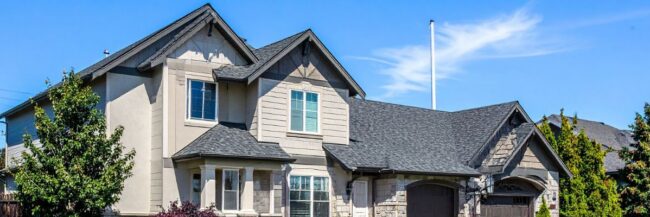
Installing a cool roof doesn’t necessarily mean a bright white roof. Modern cool roof shingles and metal products use infrared-reflective pigments that perform well thermally across a wide range of colors including darker tones. Glare is more of a consideration with smooth white membranes on flat commercial roofs than with textured residential shingles.
How do cool roofs affect attic ventilation and moisture control?
A reflective roof can lower attic heat, but it doesn’t replace proper ventilation and air sealing. Balanced intake and exhaust ventilation helps manage moisture and prevents issues like mold or wood rot. Ask your contractor to evaluate ventilation, bath fan exhaust routing, and attic air leaks during the project.
Can I install solar panels on a cool roof, and does it improve solar performance?
Yes, cool roofs and solar panels are compatible, and the lower roof surface temperature can modestly help panel efficiency on hot days. The bigger considerations are roof condition, remaining roof life, and using flashed, warrantied mounting methods. Many homeowners choose to replace the roof first to avoid removing panels later.
Are there HOA or neighborhood design restrictions for cool roofs?
Some HOAs limit highly reflective or bright roof colors, especially on steep-slope roofs. Cool-colored shingles, tiles, and coated metal often meet appearance guidelines while still improving performance. Before ordering materials, submit samples and product spec sheets for approval.
Does roof color alone determine whether a roof is considered “cool”?
Color influences reflectance, but performance depends on the product’s tested properties, not appearance alone. Some darker or medium-tone products are engineered to reflect more infrared heat than standard versions. Use third-party ratings and manufacturer documentation to compare options.
How should I plan for end-of-life recycling or disposal of cool roof materials?
Recycling options vary by material and local facilities, so ask your installer what you can recycle. Metal roofing is often recyclable, while some shingles and membranes may have limited local recycling access. Confirm disposal or recycling plans in the contract to avoid surprises on project day.
What questions should I ask a roofer to confirm I’m getting the cool roof performance I paid for?
Ask for the exact product name, color, and the tested rating documentation, then confirm the installation details that protect performance, such as proper underlayment, flashing, and ventilation corrections. Request a written scope that includes surface preparation steps for coatings or membranes. Also confirm how the warranty handles reflectivity, workmanship, and any required maintenance.