Asphalt Shingles: Maintenance, Costs, and More
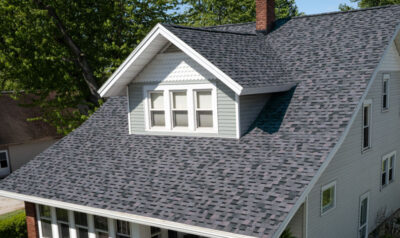
Asphalt shingles cover roughly four out of every five roofs in North America. That popularity exists for good reason: shingles offer a balance of affordability, durability, and curb appeal that few other roofing products can match at the same price point. Most homeowners don’t understand their actual lifespan, what shortens it, or how to delay a full replacement.
The roof is one of your home’s most important components. When you notice signs of wear, like curling shingles or granules in your gutters, you might wonder if it just needs some basic repair, or if you should invest in a full roof replacement. The more you know about your shingles in advance, the more you’ll be able to make an informed decision. Let’s talk about some of the key factors that can help you determine the best course of action.
What Are Asphalt Shingles?
All asphalt shingles share a basic anatomy: a fiberglass or organic base mat saturated with asphalt, coated in ceramic-coated mineral granules, and sealed with thermally activated adhesive strips. The granules reflect UV radiation and protect the asphalt layer from weathering, while the adhesive keeps shingles locked down during high winds. Knowing this construction helps explain why different shingle grades perform so differently over time.
Here are the three types of asphalt shingles:
Three-Tab Shingles
Three-tab shingles feature a single-layer design with uniform, flat tabs that create a clean, repeating pattern. They typically cost between $1.00 and $2.00 per square foot installed, making them the most affordable option for asphalt shingles. However, their thinner profile means they’re more vulnerable to wind uplift and wear, generally lasting 15 to 20 years under moderate conditions.
Three-tab shingles work best for budget-conscious projects or homes in mild climates without extreme weather exposure. If you’re planning to sell within a decade, three-tab shingles deliver adequate protection without a premium price tag.
Architectural Shingles
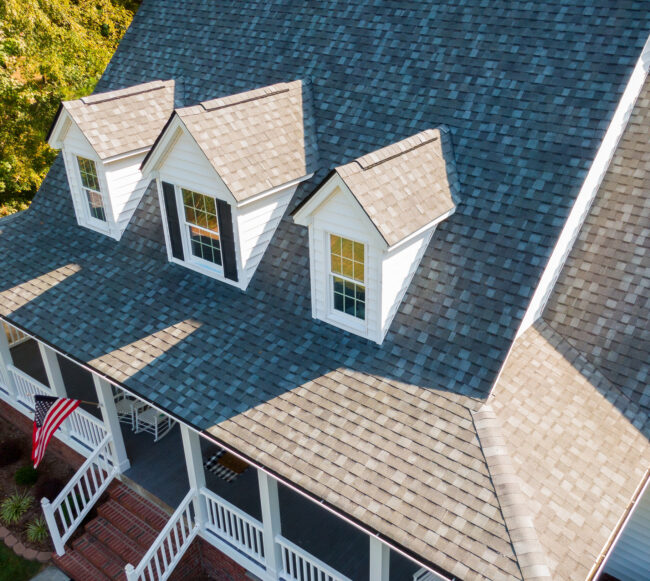
Architectural shingles (also called dimensional or laminate shingles) use two or more layers of material bonded together to create a thicker profile with a textured, three-dimensional appearance. They handle winds up to 110-130 mph and typically last 20 to 30 years. The installed cost ranges from $2.50 to $4.50 per square foot, and they carry manufacturer warranties of 30 to 50 years.
This shingle category dominates the residential market for good reason. The added thickness provides superior impact resistance, and the dimensional look adds curb appeal that can boost resale value. For most homeowners, architectural shingles hit that sweet spot of performance and affordability.
Premium and Specialty Shingles
Premium asphalt shingles mimic the look of natural slate, cedar shake, or tile at a fraction of the weight and cost. Installed prices range from $4.00 to $7.00+ per square foot, and manufacturers back them with warranties stretching 40 to 50 years (and sometimes even limited lifetime coverage). Realistic lifespans fall between 25 and 40 years.
You can also find specialty asphalt shingles on the market, including:
- Impact-resistant shingles rated Class 4 under ASTM D3462 testing
- Algae-resistant shingles with copper granules for humid climates
- Cool-roof shingles designed with reflective granules to reduce attic temperatures
Each one of these materials addresses specific environmental challenges that standard products don’t fully solve.
| Shingle Type | Typical Lifespan | Warranty Range | Installed Cost (per sq ft) | Wind Rating |
|---|---|---|---|---|
| Three-Tab | 15–20 years | 20–25 years | $1.00–$2.00 | 60–70 mph |
| Architectural | 20–30 years | 30–50 years | $2.50–$4.50 | 110–130 mph |
| Premium | 25–40 years | 40–Lifetime | $4.00–$7.00+ | 110–130 mph |
| Impact-Resistant (Class 4) | 25–35 years | 30–50 years | $3.50–$6.00 | 110–130 mph |
How Long Do Asphalt Shingles Last?
The number on a manufacturer’s warranty doesn’t always guarantee performance for your specific situation. A shingle labeled “30-year” may fail at year 18 in a harsh climate or push past 30 years in a temperate one. The actual answer to how long asphalt shingles last depends on a handful of controllable and uncontrollable variables working together.
Climate, UV Exposure, and Weather Patterns
Intense UV radiation is the single biggest enemy of asphalt shingles. In southern states with prolonged sun exposure, shingles age faster as ultraviolet light breaks down the asphalt binder, causing granules to loosen and fall away. South- and west-facing roof slopes degrade noticeably faster than shaded or north-facing sections on the same house.
Freeze-thaw cycling in northern climates creates a different kind of stress. Water can seep beneath shingle edges, freeze, expand, and gradually lift the material away from the roof deck. Coastal environments can introduce salt air corrosion, while regions prone to severe hail and wind storms can cause sudden, catastrophic damage that slashes years off expected performance.
If you live in an area with extreme weather patterns, asphalt shingles will last longer if you choose the higher-rated option. For example, roofs in hail-prone areas without impact protection may need replacing every 7 to 10 years, even if that roof would otherwise have a standard 20-year lifespan. Homeowners who upgrade to Class 4 impact-rated shingles can reduce that risk significantly, potentially avoiding at least one costly mid-life replacement.
Ventilation, Installation, and the Roof System
Your asphalt shingles are just one part of a larger roofing system. Proper attic ventilation regulates temperature and moisture beneath the deck, preventing heat buildup that bakes shingles from below and moisture accumulation that rots decking. A balanced system of intake vents at the soffits and exhaust vents at the ridge keeps air flowing and extends shingle life significantly.
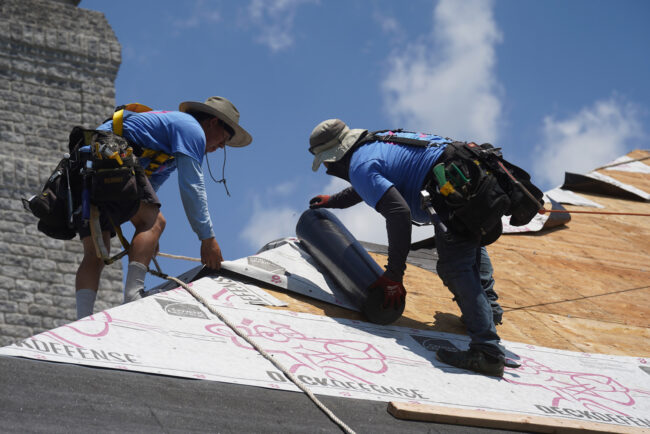
Installation quality matters just as much as the product itself. Improperly driven nails, misaligned courses, and poorly-placed starter strips all create vulnerabilities that can lead to premature failure. Underlayment, flashing around penetrations, and ice-and-water shield in vulnerable valleys round out the system. Neglecting any of these components can void your warranty and cut your roof’s effective lifespan in half.
Asphalt Shingle Maintenance Checklist
Consistent maintenance adds years to your roof’s lifespan and is a reliable way to catch problems before they become emergencies. The good news is that most tasks take less than an hour twice a year. Build these habits into your spring and fall home care routine:
- Twice a year, and after every major storm, perform a ground-level visual inspection using binoculars. You’re looking for curled, cracked, or missing shingles, dark patches where granules have worn away, and any flashing that appears lifted or rusted. Note areas where moss or algae growth is visible, especially on north-facing slopes.
- Keep gutters and downspouts clear of debris. Clogged gutters trap water against the roof edge, accelerating deterioration of starter shingles and fascia boards.
- Trim overhanging tree branches back at least six feet from the roofline to reduce leaf accumulation, limit shade that encourages moss, and minimize damage from falling limbs during storms.
Here’s a maintenance checklist to follow each season:
- Inspect shingles for curling, cracking, blistering, or missing tabs
- Check granule accumulation in gutters (moderate loss is normal; heavy loss signals aging)
- Clear debris from valleys, ridges, and around penetrations like vents and chimneys
- Examine flashing at walls, chimneys, skylights, and pipe boots for rust or separation
- Clean gutters and downspouts to allow proper drainage
- Trim branches within six feet of the roof surface
- Look for interior warning signs like water stains on ceilings, musty attic odors, or daylight through the roof deck
Catching these issues early protects your investment, so make a habit of going through this checklist yourself or hiring a professional to help with seasonal roof maintenance.
Can You Paint Asphalt Shingles?
If you want to change your roof color without paying for a full roof replacement, it’s technically possible to paint your asphalt shingles. However, it comes with significant trade-offs that may not be worth it.
Painting offers a cosmetic refresh at a fraction of the replacement cost: up to $3,000 to paint an average-sized roof compared to $8,000-$15,000+ for new shingles. Reflective roof coatings can reduce surface temperatures and potentially lower cooling costs in hot climates. For homeowners on a tight budget with structurally sound shingles that simply look dated, a quality elastomeric roof coating can buy a few more years of acceptable appearance.
However, paint and coatings create a film that seals the shingle surface, which can trap moisture between layers. Over time, this trapped moisture accelerates the very deterioration you’re trying to prevent. The paint itself typically lasts only 3 to 5 years before peeling, fading, or chalking, so it would require repeat applications that add up quickly.
Most importantly, painting asphalt shingles will void your manufacturer’s warranty. Shingle warranties require the product to remain in its original condition, and adding a surface coating changes the material’s thermal and moisture properties in ways manufacturers don’t test for. Building codes in some jurisdictions may also require permits or restrict rooftop coatings, especially in fire-prone areas.
Consider these factors before making your decision:
- Warranty impact: Most manufacturers void coverage on painted shingles
- Moisture trapping: Paint films prevent normal moisture evaporation from the shingle surface
- Durability: Roof paint typically lasts 3 to 5 years before significant degradation
- Resale concerns: Home inspectors flag painted shingles, and buyers may ask for a replacement
- Code compliance: Some municipalities restrict rooftop coatings, especially in wildfire zones
- Granule damage: Surface prep (like pressure washing) strips protective granules, which accelerates aging
Instead of defaulting to paint, evaluate your roof’s condition first. If your asphalt shingles are already 10 to 15 years old with widespread granule loss and curling, a professional rejuvenation treatment (bio-based oil that restores flexibility to aging asphalt) may extend the life of your shingles by 3 to 5 years.
If your roof is older than 15 to 20 years and is showing multiple signs of failure, you’ll find much more value in a full roof replacement than painting over deteriorating material. Painting makes sense only when shingles are structurally sound but cosmetically unacceptable, you understand the warranty implications, and you plan to replace within 3 to 5 years anyway.
Can you paint asphalt shingles? Yes. Should you? We strongly recommend against it.
Warning Signs Your Asphalt Shingle Roof Is Failing
Recognize wear patterns early to avoid costly repairs later. Here’s how to know when it’s time to looking into a repair or replacement for your asphalt shingles:
- Curling and cupping happens when shingles lose flexibility and the edges lift upward (curling) or the center rises while edges stay flat (cupping). This indicates advanced weathering and typically means the shingles only have 2 to 5 years of life remaining.
- Widespread granule loss exposes the dark asphalt layer beneath, leaving your shingles vulnerable to rapid UV degradation. Finding excessive granules in your gutters after rain is a clear warning sign.
- Cracking and splitting results from thermal cycling and often appears across large sections simultaneously, pointing toward systemic aging rather than isolated damage.
- Missing shingles after storms require immediate repair to prevent water intrusion, even if the rest of the roof seems healthy.
- Moss and algae growth indicate persistent moisture retention, which slowly degrades the shingle substrate. While algae is mostly cosmetic, moss roots physically lift shingles and must be addressed.
- The most serious warning sign of a failing roof is sagging or soft spots in the roof deck, which indicates structural damage from prolonged water exposure. At this stage, you’re looking at a full tear-off and deck repair, not just shingle replacement.
If you notice any of these conditions, schedule a professional inspection through a trusted contractor like Home Genius Exteriors to get an accurate assessment and next steps.
How Much Do Asphalt Shingles Cost?
Roofing decisions involve more than upfront price. Compare total lifecycle expenses, including installation, maintenance, repairs, and replacement frequency. Choosing the right material from the start saves thousands over a home’s lifetime.
This table shows how asphalt shingles stack up against other roofing materials in terms of cost, longevity, and maintenance level:
| Material | Installed Cost (per sq ft) | Average Lifespan | Estimated Cost Per Year | Maintenance Level |
|---|---|---|---|---|
| Three-Tab Asphalt | $1.00–$2.00 | 15–20 years | $0.08–$0.11 | Low–Moderate |
| Architectural Asphalt | $2.50–$4.50 | 20–30 years | $0.10–$0.18 | Low |
| Metal (Standing Seam) | $6.00–$14.00 | 40–70 years | $0.12–$0.25 | Very Low |
| Clay/Concrete Tile | $8.00–$18.00 | 50–100 years | $0.12–$0.24 | Low–Moderate |
| Natural Slate | $15.00–$30.00 | 75–150 years | $0.14–$0.27 | Low |
Architectural asphalt shingles hold their own on a cost-per-year basis, especially for homeowners who don’t plan to stay in their home for 40+ years.
Protect Your Home with the Right Asphalt Shingles
Asphalt shingles are the most practical roofing choice for the majority of homeowners. They’re extremely dependable when matched to your climate, installed correctly, and maintained regularly. Whether you’re evaluating a new roof or monitoring wear patterns that signal replacement time, the decisions you make now directly affect your home’s value and comfort for decades.
Don’t leave your roof’s performance to chance. As an Owens Corning Platinum Preferred Contractor, the experts at Home Genius Exteriors install asphalt shingles all the time, and we’re backed by extensive warranties that cover both labor and materials. Contact us today for a free inspection and estimate.
Frequently Asked Questions
How do I know if my asphalt shingle roof qualifies for an insurance discount?
Ask your insurer which product features they recognize, such as Class 4 impact resistance, and what documentation they require. Most carriers want proof of the exact shingle model and installation date, and some may request a contractor certificate or an inspection report.
How can I reduce noise from rain or hail on an asphalt shingle roof?
Noise is often more about attic insulation, decking thickness, and ventilation baffles than the shingle itself. Adding or upgrading attic insulation, sealing air gaps, and using quality roof decking during a full roof replacement can noticeably reduce sound transmission.
Are darker shingles always worse for energy efficiency?
Not necessarily. Color matters, but ventilation, insulation levels, and whether the shingle is rated for solar reflectance often have a bigger impact on comfort and cooling costs. If heat is a concern, look for products specifically tested for reflectivity and that meet local energy program requirements.
What are the most common warranty issues homeowners run into with asphalt shingles?
Warranties often require specific installation components and documentation, and they may exclude failures resulting from improper ventilation or unapproved accessories. Register the warranty on time and keep invoices, photos, and product labels in case you need to file a claim later.
Are asphalt shingles environmentally friendly?
While asphalt shingles account for a large portion of construction waste in landfills, recycling programs have expanded in recent years. Recycled shingles are processed into road paving material, lowering demand for new asphalt. Homeowners concerned about environmental impact can choose asphalt shingles with recycled content or cool-roof rated products that reduce energy consumption and reduce the heat island effect when used en masse.
Can I install solar panels on an existing asphalt shingle roof, or should I replace the roof first?
If your roof is in the latter half of its expected service life, it’s usually more cost-effective to replace it first so you don’t have to remove and reinstall solar panels later. A roofer and solar installer can coordinate mounting hardware, flashing methods, and layout so the roof stays watertight and serviceable.