What to Look for in a Roof Warranty
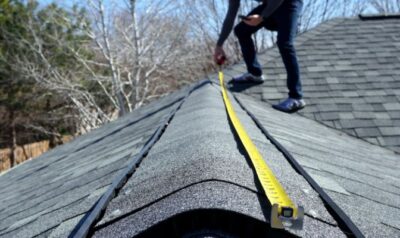
Most roof warranties last between 25 to 50 years. Understanding the different types of warranties, what can void them, and how to maintain coverage is essential for homeowners.
This guide explores the various types of roof warranties, their coverage periods, and the key factors that influence their longevity.
Types of Roof Warranties and Their Durations
When installing a new roof, you may receive multiple types of warranties, each offering different levels of protection. These include manufacturer warranties, contractor workmanship warranties, and extended warranties.
Manufacturer’s Material Warranty
A manufacturer’s material warranty covers defects in roofing materials. If the shingles or other roofing components fail prematurely due to manufacturing defects, this warranty ensures you receive replacement materials.
- Standard Duration: 20 to 50 years.
- Premium Materials: Some high-end materials offer lifetime warranties.
- Non-Prorated vs. Prorated Coverage: Some warranties provide full replacement coverage for a set period before switching to prorated coverage, where compensation decreases over time.
For example, here is the warranty coverage for Owens Corning roofing materials:
| Coverage Attributes | Standard Product Limited Warranty | System Protection Roofing Limited Warranty | Preferred Protection Roofing System Limited Warranty | Platinum Protection Roofing System Limited Warranty |
| Product Defects Coverage | Lifetime | Lifetime | Lifetime | Lifetime |
| Products Included | Shingles | Shingles and Owens Corning® components | Shingles and Owens Corning® components | Shingles and Owens Corning® components |
| TRU PROtection® Period | First 10 years | First 50 years | First 50 years | First 50 years |
| Materials Only Coverage After | After 10 years | After 50 years | After 50 years | After 50 years |
| Blow Off Coverage | First 15 years | First 15 years | First 15 years | First 15 years |
| StreakGuard® Algae Resistance | First 25 years | First 25 years | First 25 years | First 25 years |
| Workmanship Coverage Period | None | None | First 10 years | Lifetime (coverage reduced after 25 years) |
| Component Products Required | None | Minimum of 3 Owens Corning® components | Minimum of 4 Owens Corning® components | Minimum of 4 Owens Corning® components |
| Contractor Certification Required | None | Owens Corning Roofing Platinum or Preferred Contractor | Owens Corning Roofing Platinum or Preferred Contractor | Owens Corning Roofing Platinum Contractor |
Home Genius Workmanship Warranty
Our attention to detail and quality workmanship distinguishes Home Genius as a preferred contractor for each manufacturer we work with, from Owens Corning to James Hardie. This gives us the ability to guarantee the best manufacturer warranties in the business.
In addition, our Home Genius Workmanship Labor Warranty comes with limited lifetime protection. We stand by our work and take our role as preferred installers for our manufacturing partners seriously. The workmanship warranty guarantees proper installation of any products purchased for home improvement projects in accordance with building codes and covers any defects.
Factors That Influence Roof Warranty Duration
When investing in a new roof, understanding the factors that affect warranty duration is essential. Various elements, from material quality to environmental conditions, play a significant role in determining how long a roof warranty remains valid and effective.
Quality of Roofing Materials
The type of roofing material used has a major impact on warranty length. Higher-quality materials, such as metal or architectural shingles, often come with longer warranties, sometimes extending beyond 50 years. In contrast, basic asphalt shingles typically have a 25-year warranty, reflecting their shorter lifespan and durability.
Environmental Conditions
The climate in which a roof is installed greatly influences its longevity. Harsh weather conditions, excessive sunlight, heavy snowfall, and frequent storms can accelerate wear and tear, potentially shortening the roof’s lifespan. Many warranties include exclusions for damage caused by extreme weather events, so homeowners should carefully review their policy to understand what is covered.
Proper Installation
Even the best roofing materials can fail prematurely if not installed correctly. To maintain warranty coverage, a roof must be installed according to the manufacturer’s guidelines. Using an experienced, certified contractor ensures compliance with these standards and reduces the risk of issues that could void the warranty. Improper installation, such as incorrect nail placement or inadequate ventilation, is one of the most common reasons warranties become void.
Regular Maintenance
Ongoing maintenance is essential to keeping a roof in good condition and ensuring warranty protection. Homeowners must clean gutters, remove debris, and inspect for damage regularly to prevent premature deterioration. Neglecting these basic maintenance tasks can lead to water damage, mold growth, and structural issues—problems that may void the warranty if left unaddressed.
Warranty Transferability
For homeowners planning to sell their property, warranty transferability can add value. Some warranties allow the remaining coverage to transfer to the new homeowner, which can be an attractive selling point. Non-prorated warranties—which offer full coverage for a set period before gradually decreasing—often provide the best resale value, as they ensure continued protection even after ownership changes.
Understanding these factors allows homeowners to maximize their warranty benefits and ensure long-term protection for their roofing investment.
What Can Void a Roof Warranty?
While warranties offer significant protection, they come with specific terms. Certain actions can invalidate coverage, leaving homeowners responsible for costly repairs. Below are the most common ways a roof warranty can be voided:
Improper Installation
Incorrect installation is one of the leading causes of warranty voidance. Manufacturers provide specific guidelines for installation, and deviating from these instructions can compromise performance and durability.
- Common mistakes include incorrect nail placement, poor ventilation, and improper sealing.
- Hiring an unlicensed or inexperienced contractor increases the risk of installation errors.
- Some manufacturers require installation by certified roofing professionals to maintain warranty validity.
Unauthorized Modifications
Making unapproved modifications to your roof can void the manufacturer’s warranty. This includes:
- Installing antennas or satellite dishes without proper mounting.
- Adding skylights or other roof penetrations without manufacturer approval.
- Installing solar panels without following recommended guidelines.
If modifications are necessary, consult the manufacturer and use authorized installers to preserve your warranty.
Poor Maintenance
Neglecting regular maintenance can lead to roof damage that isn’t covered under warranty. Homeowners are expected to:
- Clean gutters regularly to prevent water damage.
- Remove moss and debris to prevent roof deterioration.
- Inspect for leaks and repair minor issues before they become major problems.
A lack of documentation proving regular maintenance can also lead to denied warranty claims.
Using Unapproved Materials
Using materials not recommended by the manufacturer during repairs or installations can result in warranty voidance. This includes:
- Mixing different shingle brands.
- Applying sealants, coatings, or underlayment not specified in the manufacturer’s guidelines.
Always use approved materials and techniques when making roof repairs.
Inadequate Ventilation
Proper attic ventilation is crucial for maintaining roof health. Without proper airflow, excessive heat and moisture can build up, leading to premature deterioration.
- Insufficient ventilation can cause shingles to warp and lead to mold growth.
- Many manufacturers specify ventilation requirements, and failing to meet them can void warranties.
Layering New Shingles Over Old Ones
In some areas, it is legal to install a new roof over an old one. However, doing so can:
- Void or shorten warranty coverage.
- Lead to uneven surfaces and trapped moisture, reducing the lifespan of the new roof.
For best results, remove the old roofing materials before installing a new roof.
How to Protect Your Roof Warranty
To ensure your warranty remains valid and provides full coverage, follow these best practices:
- Hire Certified Contractors:
- Use licensed and manufacturer-certified roofers.
- Verify that contractors follow installation guidelines to prevent warranty voidance.
- Follow Manufacturer Guidelines:
- Use approved materials for repairs.
- Ensure ventilation requirements are met.
- Keep Maintenance Records:
- Document inspections, repairs, and maintenance.
- Maintain receipts for gutter cleaning, leak repairs, and roofing services.
- Avoid DIY Modifications:
- Consult professionals before making any changes.
- Ensure any modifications follow warranty terms.
- Understand Your Warranty Coverage:
- Read the fine print to understand exclusions.
- Know how long full coverage lasts before prorated coverage begins.
Final Thoughts
Roof warranties provide valuable protection against material defects and installation errors. Understanding the different types of warranties, their durations, and the potential pitfalls that can void coverage is essential for homeowners.
Before investing in a new roof, research warranty options, work with qualified contractors, and follow manufacturer guidelines to ensure long-term protection. A well-maintained roof with a strong warranty can save you thousands of dollars in repairs and provide peace of mind for decades to come.
The Home Genius Workmanship Guarantee provides an added layer of warranty protection and distinguishes us from other contractors. Not only do we maintain the lightest level of manufacturer warranties, we cover our installation work to give customers confidence that they’ve made a genius choice every time they work with us.
Frequently Asked Questions
What are the benefits of having a contractor workmanship warranty in addition to a manufacturer warranty?
A contractor workmanship warranty covers installation errors that manufacturer warranties typically do not address, providing homeowners with protection against defects arising from poor workmanship and ensuring proper installation standards are met.
How can homeowners verify if a contractor is certified by manufacturers?
Homeowners can verify certification by asking contractors for proof of their manufacturer certifications or checking the manufacturer's official websites, which often list preferred or certified contractors.
What are some common signs that a roof may need professional maintenance or inspection?
Common signs include missing or curled shingles, water stains inside the home, granules accumulating in gutters, moss growth, or visible damage after storms, all of which warrant prompt professional inspection to prevent warranty issues.
Why is maintaining proper attic ventilation critical for roof longevity?
Proper attic ventilation prevents heat and moisture buildup that can cause shingle warping, mold growth, and premature deterioration, thereby supporting the roof's performance and warranty compliance.
How does the type of roofing material influence the environmental sustainability of a roof?
Certain materials like metal and composite shingles often have longer lifespans and may be recyclable, reducing environmental impact, whereas traditional asphalt shingles typically have shorter service lives and contribute more to landfill waste.
Can roof warranties be renewed or extended after the initial coverage period expires?
Some manufacturers offer extended warranty options or service contracts post initial coverage, but renewal policies vary widely; homeowners should consult with their contractor or manufacturer to explore available options.
How does climate specifically affect the choice of roofing materials for better warranty performance?
Homeowners in harsh climates may choose materials with higher resistance to UV radiation, wind, or moisture to reduce wear and avoid warranty exclusions, ensuring the selected roofing products are suitable for local environmental conditions.